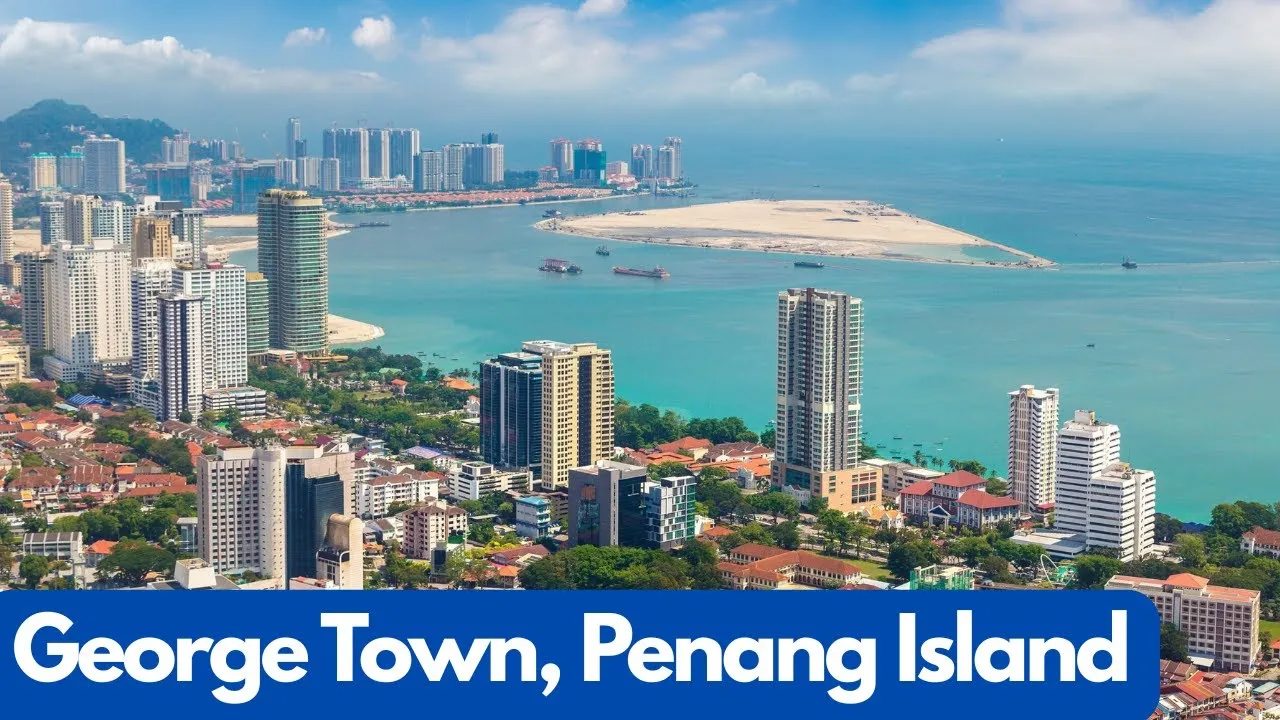
Discover Why George Town Penang Captivates the World
Welcome to the most comprehensive guide to George Town, Penang-Asia’s most vibrant cultural melting pot where centuries of history converge with explosive flavors and captivating street art. Whether you’re planning a quick weekend escape or an extended cultural immersion, this pillar page equips you with everything needed to experience this UNESCO World Heritage Site like a seasoned traveler.
George Town isn’t just another destination-it’s a living, breathing testament to human interconnection. With over 8.2 million hotel guests recorded in 2024 (representing a remarkable 13.3% surge from 2023), this compact city has captured the imagination of global travelers seeking authentic experiences. The reasons become crystal clear the moment you arrive: nowhere else will you find such seamless harmony between British colonial architecture, Chinese clan houses, Indian mosques, and Peranakan traditions existing within walking distance of world-class street food hawker stalls.
This guide transforms your trip from ordinary sightseeing into an unforgettable journey through one of Southeast Asia’s most important cultural crossroads. You’ll learn exactly where to find hidden gems, which dishes demand your immediate attention, which neighborhoods offer the best accommodation value, and how to navigate this enchanting city with confidence using public transport, Google Maps integration, or guided tours.
Part 1: Why George Town, Penang Deserves Your Next Trip
The UNESCO World Heritage Site Distinction: What Sets George Town Apart
In 2008, George Town earned UNESCO World Heritage Site status-recognition reserved for locations of exceptional cultural significance. This isn’t merely an administrative accolade; it represents official validation that George Town preserves tangible and intangible heritage at levels rarely found globally.
What makes George Town’s UNESCO World Heritage Site designation so remarkable? Unlike heritage zones frozen in time, George Town is a living, evolving cultural ecosystem where traditions continue to flourish. The melting pot of Malay, Chinese, Indian, and Peranakan influences created an urban landscape where:
- Colonial history is physically embedded in architecture rather than confined to history books
- Trading routes established centuries ago under Captain Francis Light’s vision still define neighborhood identities
- Ancient temples, mosques, and clan houses operate as active spiritual and community centers
- Street art movements (spearheaded since 2012) add contemporary layers to historical narratives
The sustained growth in tourist arrivals-reaching 90% to 100% occupancy during December 2024’s year-end holiday season-reflects international recognition of George Town’s unmatched cultural authenticity.
The Perfect Balance: Colonial Architecture Meets Modern Vibrancy
George Town’s strength lies in this paradox: it respects its past while enthusiastically embracing its present. Founded by Captain Francis Light in 1786 as a British trading post, the city retains architectural remnants of that era while avoiding the sterility of preserved museum zones.
Key architectural characteristics that define George Town:
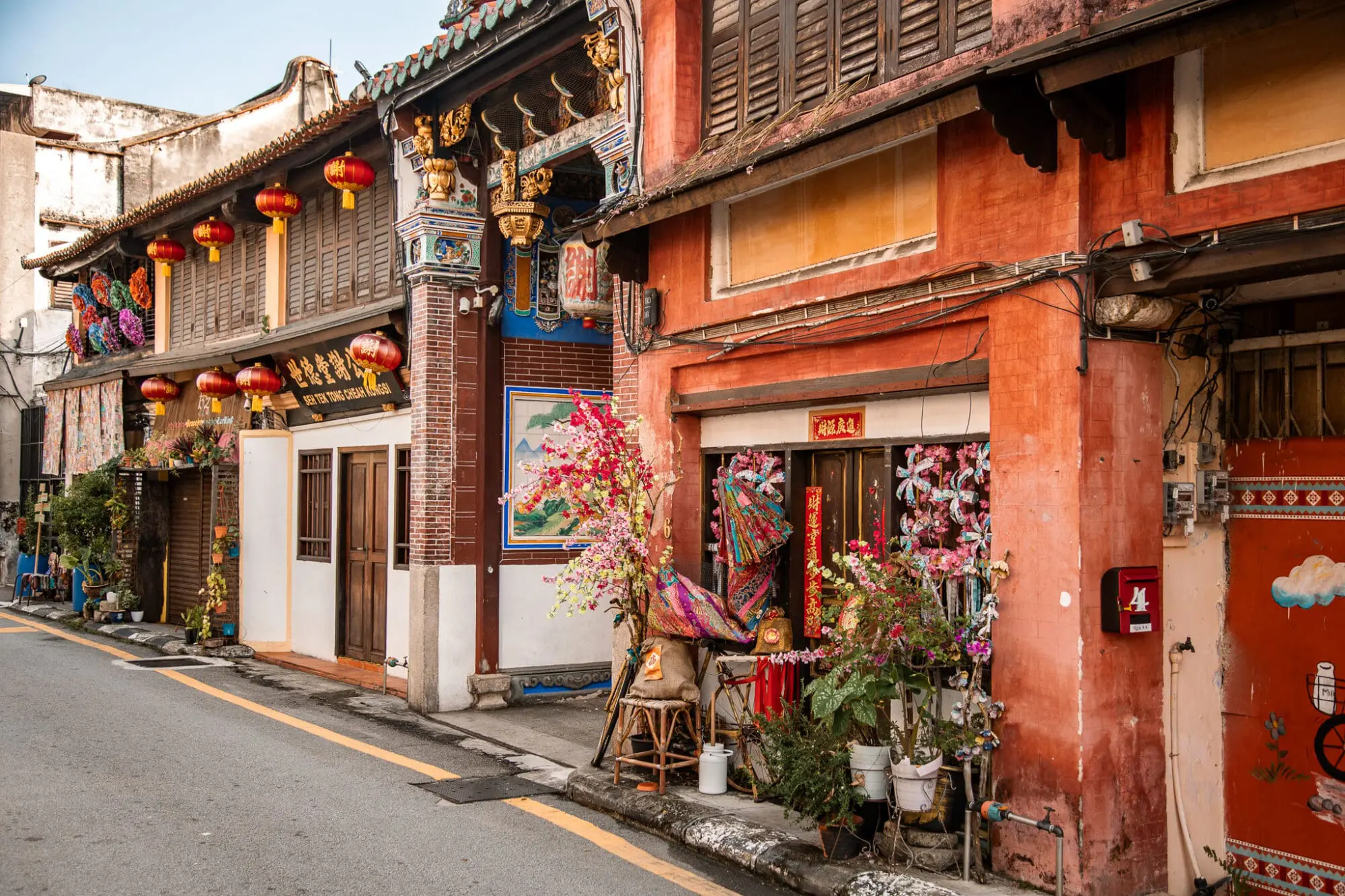
The shophouse-that narrow, two- to three-story structure with ornate facades-is George Town’s architectural signature. These buildings exemplify “Straits Eclectic” design, blending Chinese, Malay, and European elements into something entirely unique. Modern restoration efforts have transformed these heritage structures into boutique hotels, artsy cafes, galleries, and residences without sacrificing their historical integrity.
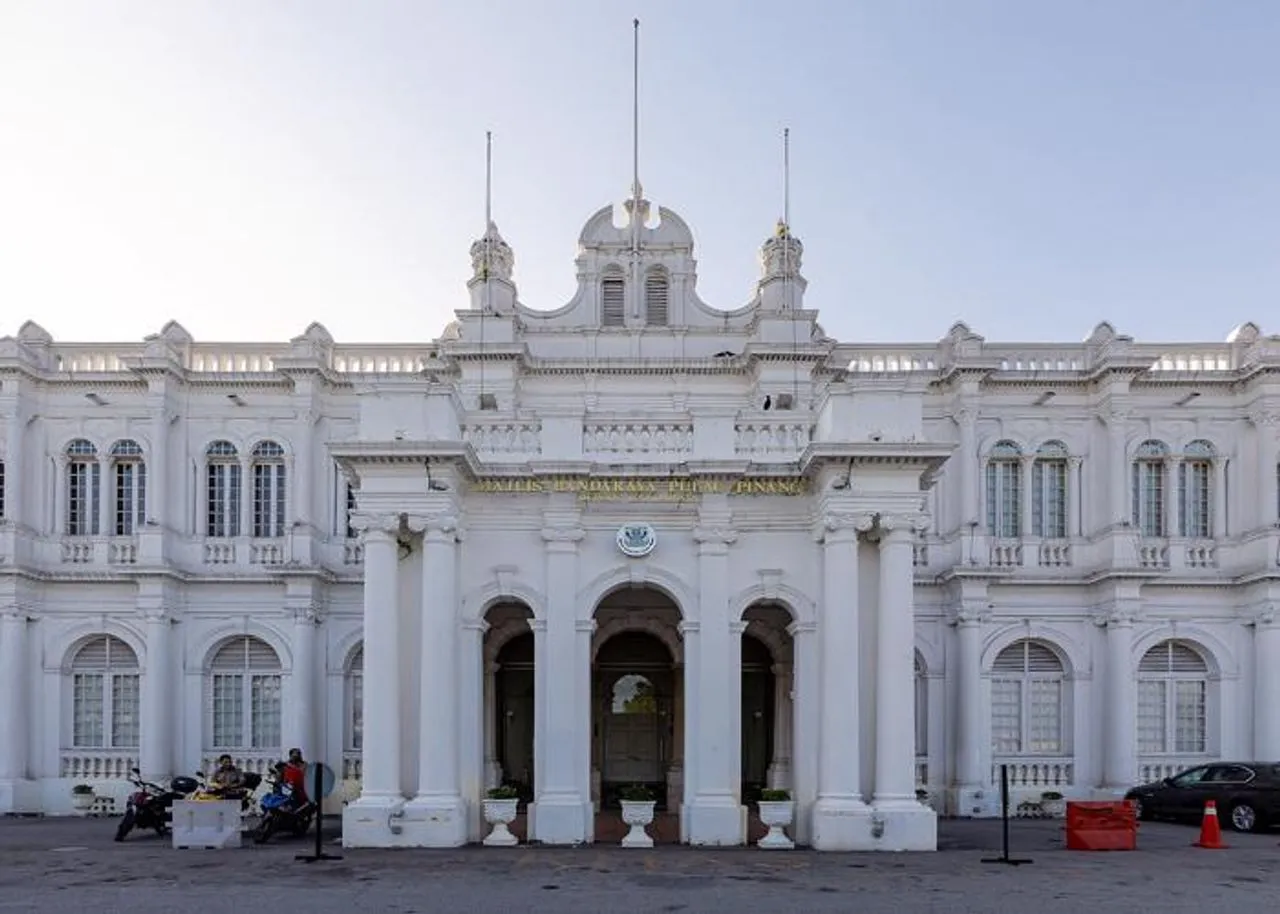
The Padang-originally a British military parade ground-remains the city’s central green space, providing a breathing point within the dense urban fabric. Nearby, the Town Hall and Supreme Court demonstrate neoclassical grandeur from the colonial apex.
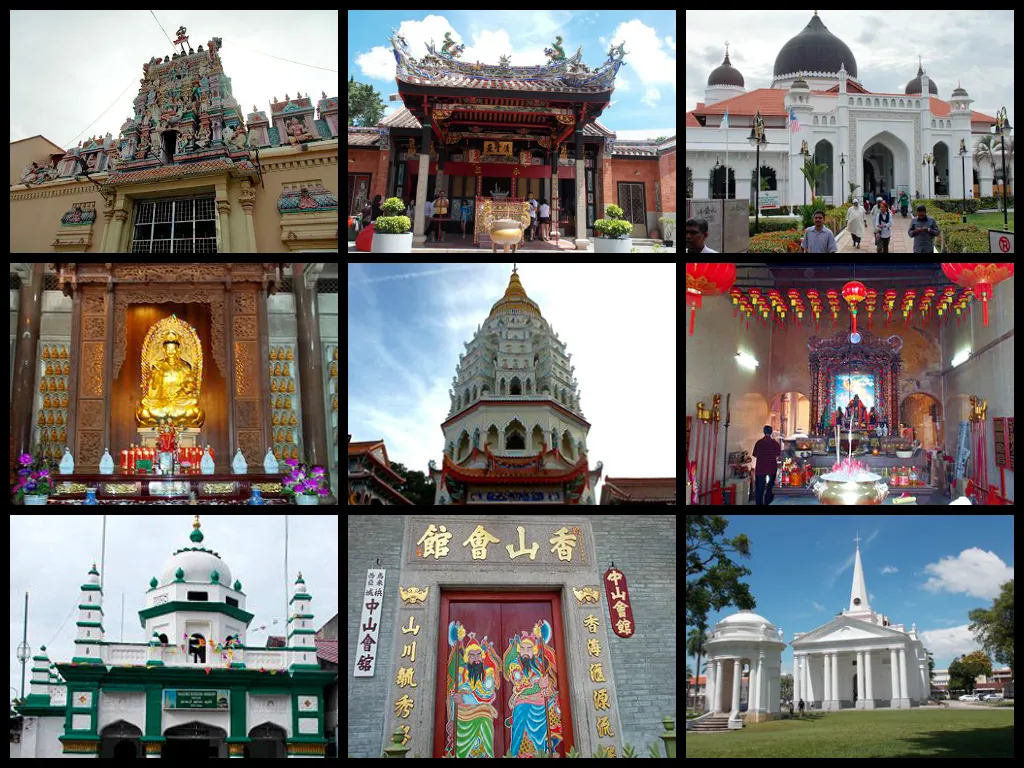
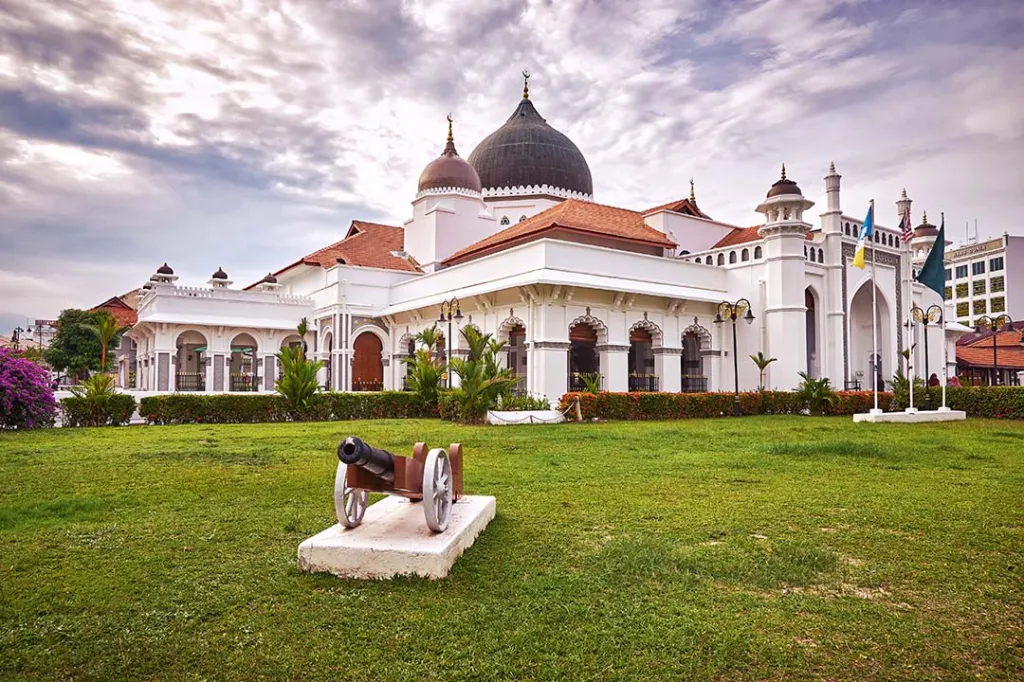
Religious architecture tells its own story: the distinctive onion dome of Kapitan Keling Mosque represents Indian Islamic architectural influence, while the intricate craftsmanship of the Goddess of Mercy Temple showcases Chinese artistic traditions. These structures don’t exist in isolation-they coexist as living proof of peaceful multicultural coexistence.
Current Visitor Trends & Why Now Is Your Moment
The statistics are compelling for prospective travelers:
- 7.6 million passengers utilized Penang International Airport in 2024
- Hotel occupancy rates consistently exceed Malaysia’s national average (60.3% in April 2025 vs. 50.6% nationally)
- Rapid Penang bus network serves approximately 50,584 daily riders (November 2025 data), indicating robust public-transport infrastructure
These numbers translate into practical benefits: improved flight routes, expanded accommodation options, refined public transport mobile-apps, enhanced guide services, and increasingly sophisticated Trip Planner resources. George Town has reached an optimal development stage-developed enough to handle visitors, yet small enough to retain authentic character.
Part 2: Unraveling George Town’s Rich Heritage & Cultural Tapestry
Navigating George Town’s Colonial History Through Architecture
George Town’s colonial legacy isn’t abstract history-you’ll witness it in every street corner. When Captain Francis Light established George Town in 1786 as a British trading post, he initiated transformations that continue shaping the city today.
The Architectural Timeline:
1786-1900s: The British Foundation Era
The British East India Company’s establishment created the initial urban grid. This period gifted George Town its most imposing structures: the Supreme Court with its neoclassical dignity, the Town Hall serving as administrative headquarters, and the Padang functioning as military parade ground and social hub.
1900s-1950s: The Golden Age of Shophouse Architecture
The economic boom generated by international trade led to the construction of thousands of shophouses. Ground floors housed commercial enterprises-textile shops, spice merchants, provision stores-while upper floors accommodated families and servants. Each building reflects its owner’s aspirations and cultural background, creating a visual encyclopedia of Straits Eclectic design.
1950s-Present: Preservation & Adaptive Reuse
Post-colonial George Town faced a critical choice: demolish aging structures for modern development, or preserve the heritage. The city chose preservation. Historic neighborhoods like Armenian Street transformed into artsy cultural zones where restoration has enabled:
- Boutique hotels maintaining historical facades while offering contemporary amenities
- Heritage walking tour operators leading visitors through century-old narratives
- Specialty shops, galleries, and restaurants occupying carefully restored shophouses
Key Heritage Sites for Architectural Exploration:
- Armenian Street: The epicenter of street art and architectural restoration, where walking tour companies operate daily
- Cheong Fatt Tze Mansion: A magnificently preserved mansion showcasing the wealth and artistic sophistication of Straits Chinese merchants
- Lebuh Chulia: Home to numerous heritage buildings, traditional temples, and bustling hawker centers
Religious Architecture: The Spiritual Dimensions of a Melting Pot
George Town’s religious sites represent far more than places of worship-they’re architectural treasures and cultural monuments that illustrate peaceful multicultural coexistence.
Kapitan Keling Mosque
This distinctive structure with its prominent onion dome and minaret exemplifies Indian Islamic architectural traditions. Built by the Indian Muslim community, Kapitan Keling Mosque stands as a symbol of religious tolerance and architectural excellence. The mosque’s intricate details-from tilework to calligraphy-demonstrate the sophisticated artistry brought by Muslim merchants and settlers along the trading routes.
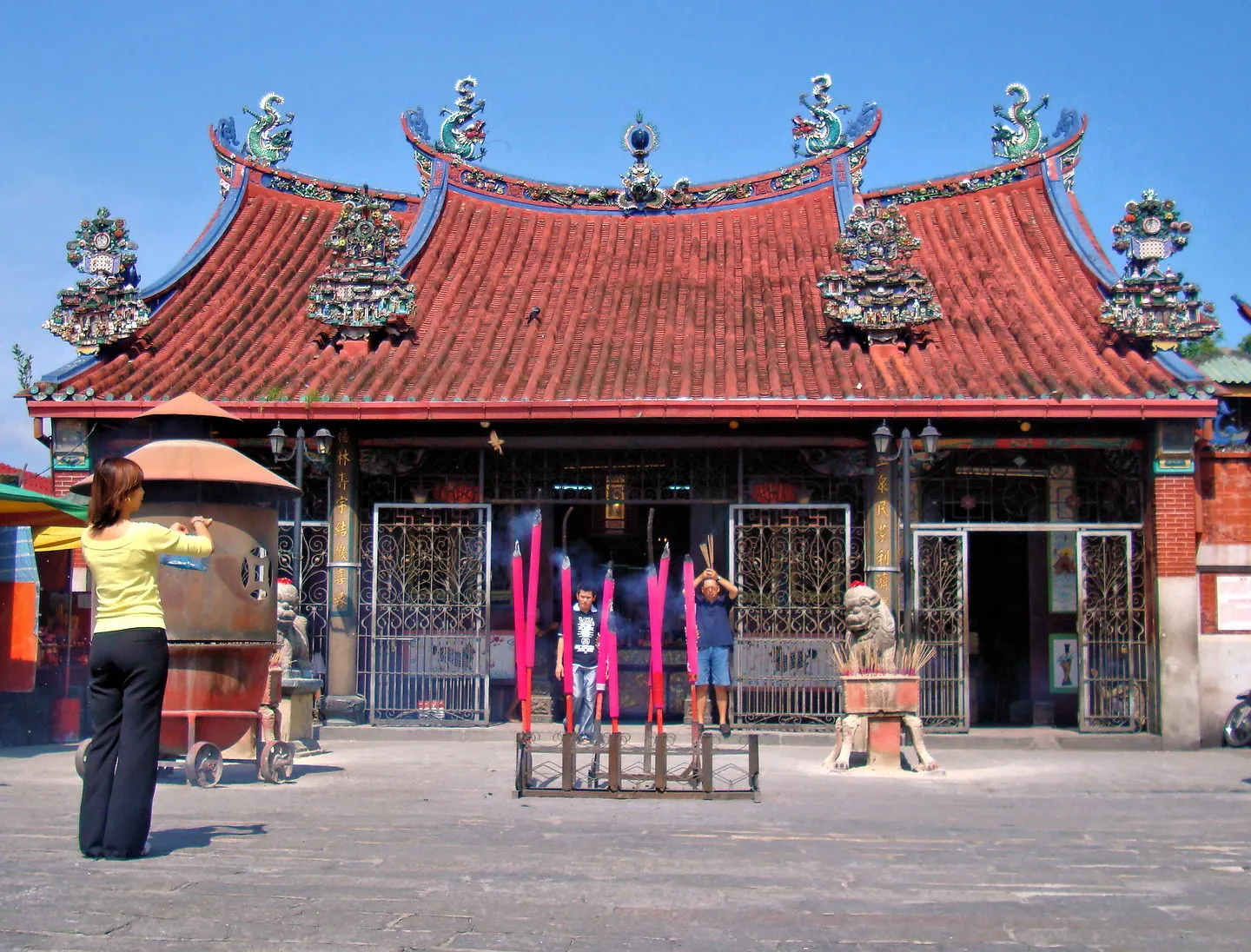
Goddess of Mercy Temple (Kuan Yin Teng)
Among Penang’s oldest temples, the Goddess of Mercy Temple showcases extraordinary Chinese craftsmanship. The intricate wood carvings, decorative tilework, and religious sculptures reflect generations of artistic refinement. As an active worship site, the temple pulses with spiritual energy-devotees make offerings, incense smoke curls through the air, and the rhythmic sound of devotional chants creates an immersive sensory experience.
Khoo Kongsi Clan House
The Khoo Kongsi clan house represents a unique architectural and social phenomenon-the physical embodiment of Chinese clan organization. These structures served multiple purposes: ancestral temples, community meeting spaces, dispute resolution centers, and mutual aid societies. The Khoo Kongsi exemplifies this through its ornate entrance hall, intricate roof sculptures, and sanctum housing ancestral tablets. A guided tour through this clan house illuminates how Chinese diaspora communities maintained cultural identity and social cohesion across generations.
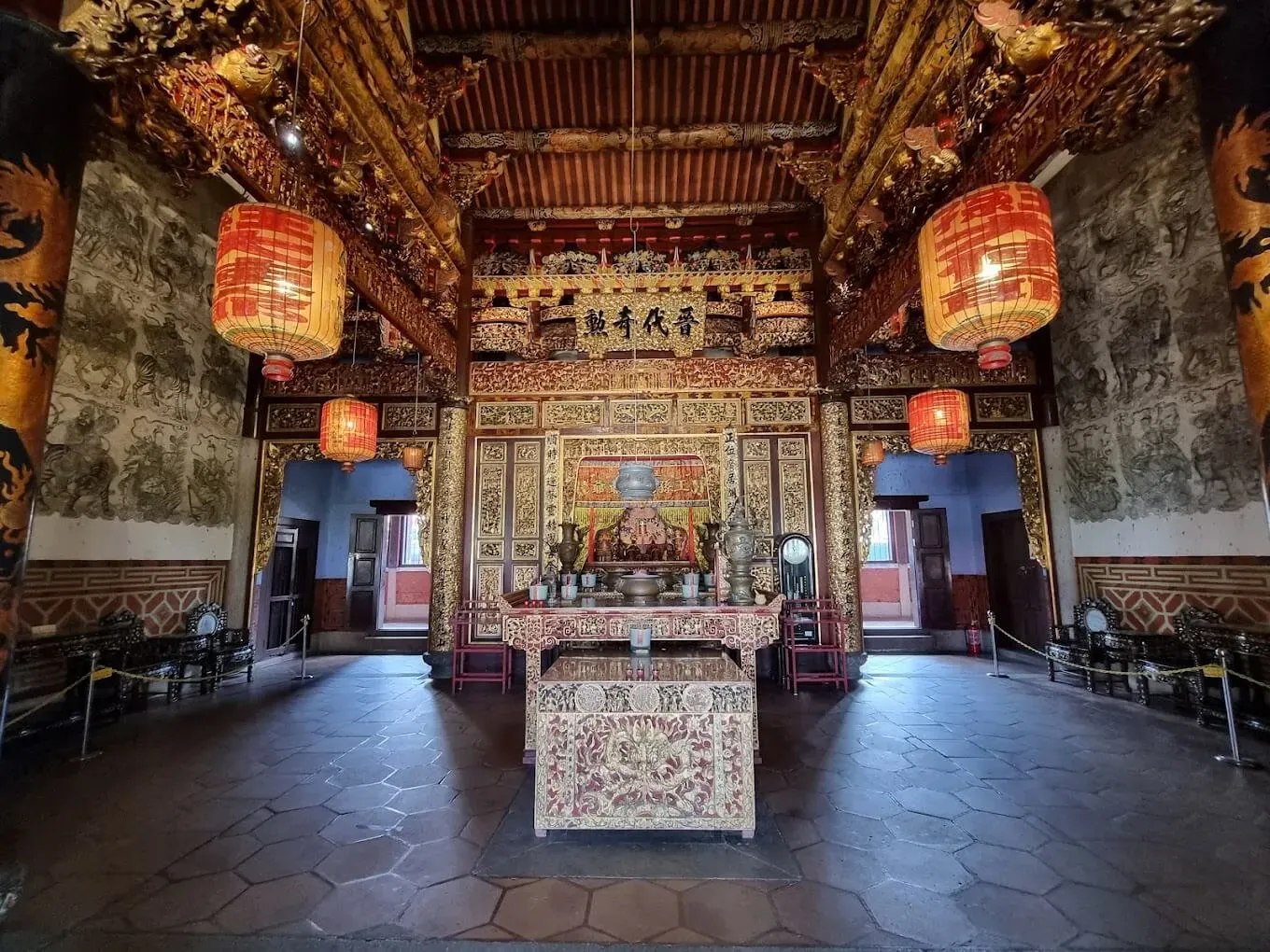
Pinang Peranakan Mansion & Straits Chinese Heritage
The Pinang Peranakan Mansion opens a window into the lives of Straits Chinese-individuals of mixed Chinese and local (typically Malay) ancestry who created a distinctive hybrid culture. The mansion’s interior displays teakwood furniture, antique porcelain, and elaborate decorative schemes reflecting both Eastern and Western influences. This cultural product represents centuries of intermarriage, trade integration, and artistic synthesis.
St George’s Church
This British colonial-era church stands as a reminder of the Christian minority’s presence, constructed with characteristic Victorian architectural restraint. St George Church offers visitors a quiet sanctuary and historical perspective on colonial-era religious pluralism.
Street Art Renaissance: George Town’s Open-Air Gallery Phenomenon
Since 2012, when Lithuanian artist Ernest Zacharevic first painted “Kids on a Bicycle,” George Town has transformed into an expansive open-air gallery. This street art movement transcends mere decoration-these murals constitute visual narratives deeply connected to local heritage.
Iconic Works & Their Significance:
- “Kids on a Bicycle”: Perhaps the most photographed mural, this work captures the spirit of playful childhood and sits in a laneway off Armenian Street
- “Reaching Up”: A testament to aspiration and human connection
- “Brother and Sister on a Swing”: Interactive art that invites passersby to become part of the composition
- Works by local and international artists that collectively transform the heritage zone into a treasure hunt
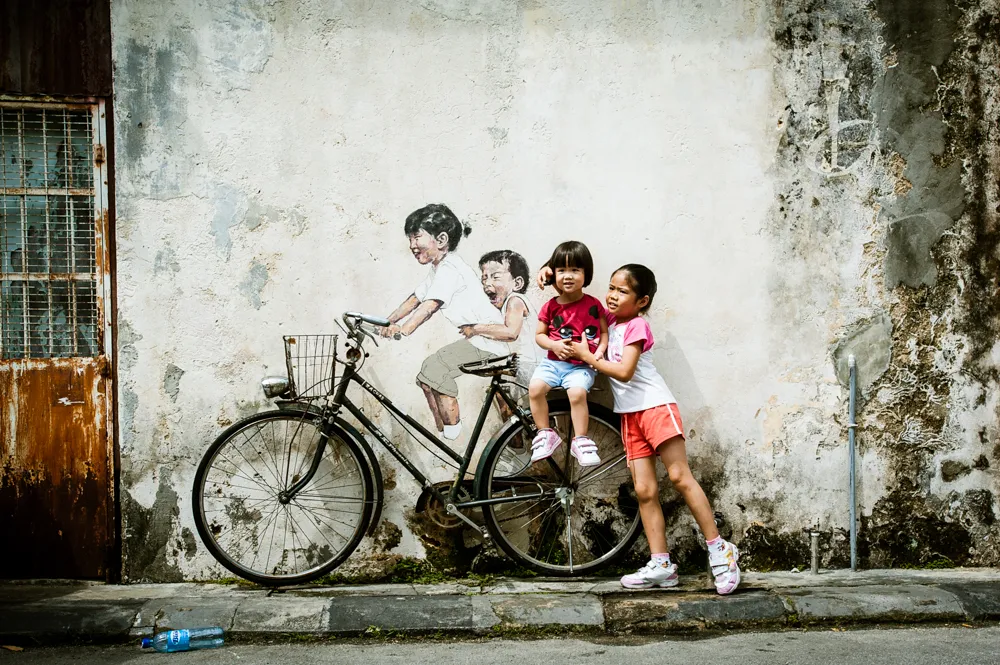
These aren’t static artworks-many incorporate real environmental elements (actual bicycles, water pipes, building features) transforming the entire neighborhood into an integrated artistic experience. Artsy Armenian Street has become synonymous with this movement, attracting both serious art enthusiasts and casual visitors.
Practical Tip for Street Art Exploration:
Download Google Maps and search “George Town street art” to locate specific murals. Many heritage walking tour operators now specialize in street art-focused routes, combining artistic appreciation with historical context.
The Clan Jetties: Living Heritage Over Water
Few destinations offer a cultural experience as distinctive as George Town’s Clan Jetties-traditional Chinese villages built on wooden stilts directly over the water. Each jetty bears a Chinese surname (Chew Jetty being the most accessible and populated), representing different migrant communities from China.
What Makes the Clan Jetties Extraordinary:
Walking along weathered wooden boardwalks, you’re not visiting a museum reconstruction-you’re entering active residential communities where families have lived for over a century. Children play on porches, elderly residents sit in doorways, fishing nets hang to dry, and small temples serve worshippers. The Chew Jetty is the most tourist-friendly destination, yet maintains its authentic residential character.
The Architecture & Urban Organization:
These floating communities developed from practical necessity-waterfront property was cheaper, and fishing communities naturally settled near their livelihood. Over time, they evolved into cohesive neighborhoods with:
- Traditional wood construction adapted to tidal and weather fluctuations
- Clan temples serving as spiritual and administrative centers
- Small shops and businesses serving resident communities
- Intricate social hierarchies and cooperative systems maintaining order and mutual support
Respectful Visitation Guidelines:
The Clan Jetties aren’t theme parks. Residents value privacy and peaceful domestic life. Guidelines for respectful visits:
- Avoid loud conversations and unnecessary photography of residents
- Don’t block pathways with photography sessions
- Support local businesses by purchasing goods or services
- Treat the environment with respect-these are working communities, not entertainment zones
- Visit during daylight hours when activity is visible and residents are more available for informal interaction
Part 3: The Legendary Culinary Landscape-Street Food & Dining Excellence
Decoding George Town’s Hawker Culture: More Than Just Food
George Town’s reputation as a gastronomic destination extends far beyond casual eating-it reflects deep cultural integration, multigenerational expertise, and a unique social ecosystem. When locals speak of the hawker stall, they’re describing something approaching sacred: a place where culinary traditions intersect with community life.
Why George Town’s Hawker Culture Is Globally Unmatched:
The hawker stall embodies principles virtually unknown in Western food service:
- Generational specialization: Families perfect a single dish over decades, sometimes across multiple generations. A char kway teow stall might operate under third-generation management, with recipes refined through thousands of daily iterations.
- Quality through obsession: The economic model demands excellence. A successful stall survives on reputation and repeat customers. This creates intense pressure for consistency, ingredient quality, and technique refinement.
- Accessible affordability: Premium-quality food at prices (often under RM15/$3-4 USD) that enable daily consumption across all socioeconomic levels.
- Multicultural synthesis: Malay, Chinese, Indian, and Peranakan culinary traditions don’t exist in separate silos-they influence each other, creating fusion dishes that feel simultaneously traditional and innovative.
- Democratic dining: Hawker centers obliterate class boundaries. Businesspeople in expensive suits stand beside laborers, tourists beside residents, all waiting patiently for the same stall’s offerings.
The Hawker Center Experience:
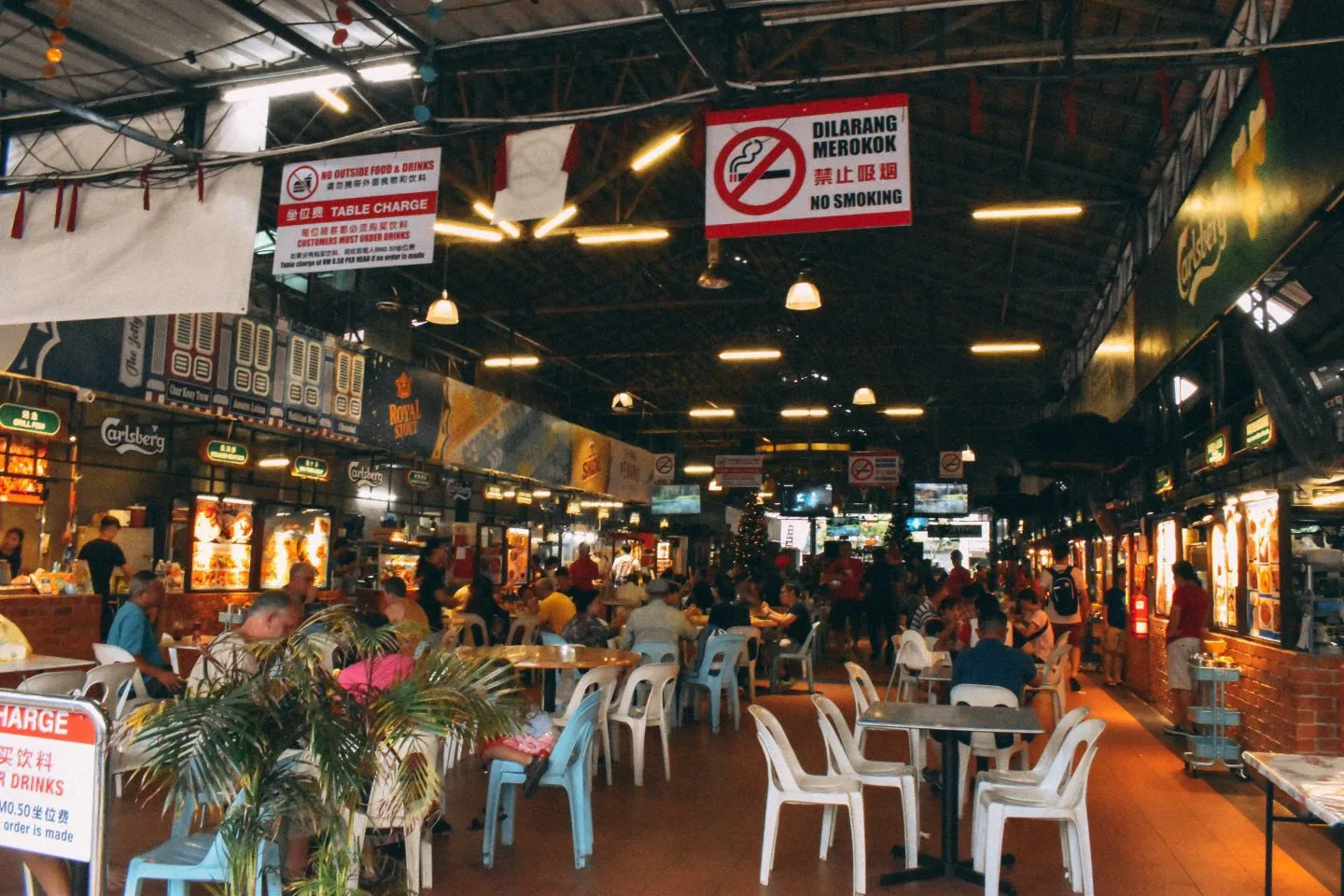
Public transport options via Rapid Penang bus network connect visitors directly to major hawker centers. Key destinations include:
- Gurney Drive Hawker Center: Famous for specific dishes like Char Koay Teow and Penang Curry Mee
- New Lane Hawker Center: Legendary breakfast destination
- Chulia Street Night Hawker Stalls: Evening dining experience with electric atmosphere
- Ayer Itam Morning Market: Pre-dawn market where locals purchase ingredients and early breakfast
First-time visitors often feel overwhelmed by the sheer options. A strategic approach:
- Research via Trip Planner tools or ask your hotel staff for current popular stalls
- Arrive slightly before peak hours to observe stall operations and see which queues form
- Start with one iconic dish rather than attempting everything simultaneously
- Return to favorite stalls-this is how locals eat, and repeated patronage often results in personalized attention
The Essential Dishes: George Town’s Culinary Non-Negotiables
Every serious food traveler to George Town must experience these foundational dishes. Each represents centuries of cultural synthesis and culinary excellence.
Char Koay Teow (Stir-Fried Flat Rice Noodles)
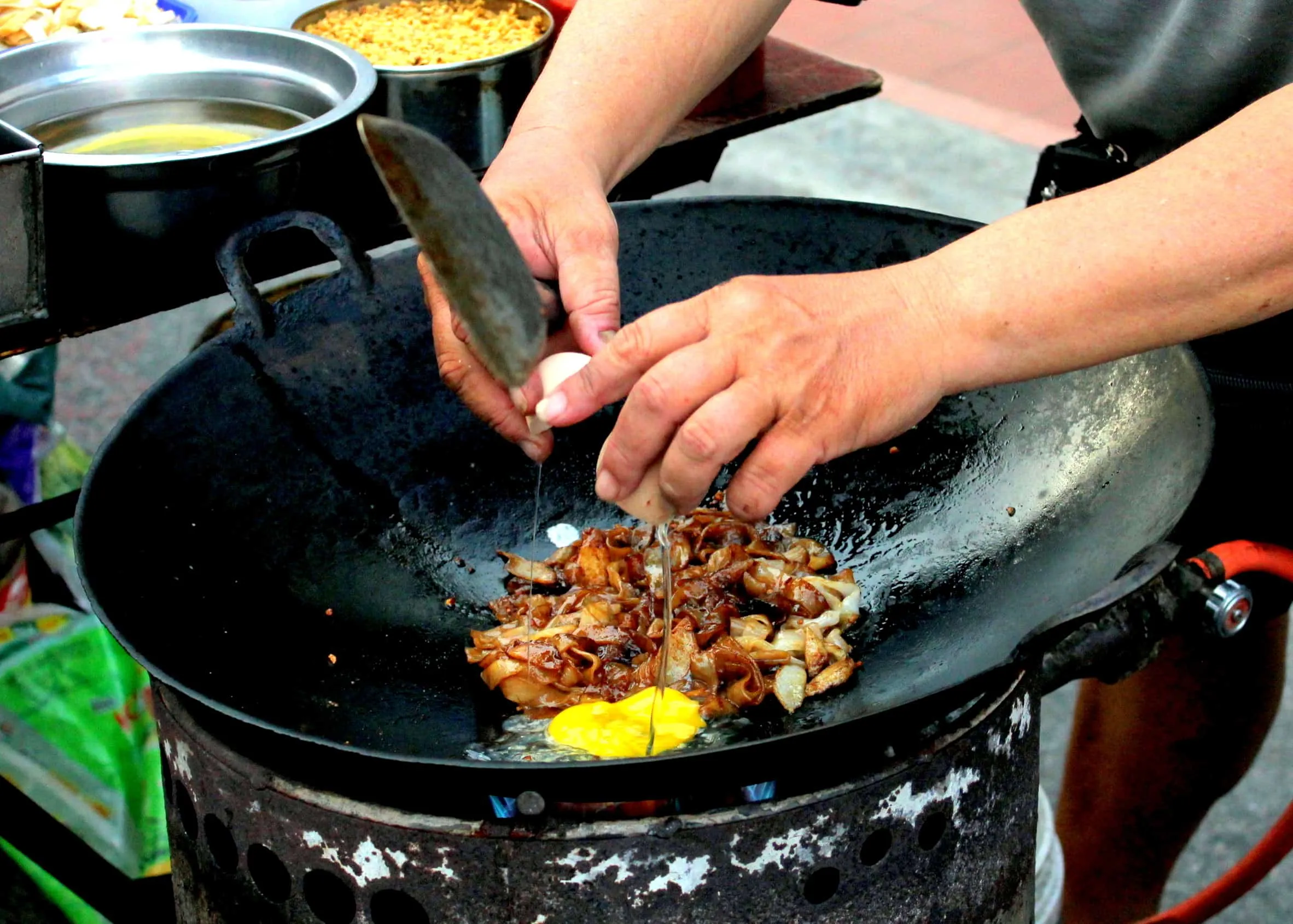
This dish epitomizes hawker excellence. Flat rice noodles are explosively stir-fried in a wok over intense charcoal heat with prawns, cockles, bean sprouts, chives, Chinese sausage, and chili. The defining characteristic is “wok hei”-the smoky breath imparted by extreme heat and rapid movement.
Why Char Koay Teow matters: This dish requires split-second timing, intimate wok control, and ingredient synchronization. Poor execution results in soggy noodles; excellence produces smoky, individually coated strands with contrasting textures. Each vendor’s variation becomes a signature-some emphasize the seafood, others the vegetable snap, some the charred intensity.
Best location for excellence: Gurney Drive remains George Town’s acknowledged Char Koay Teow capital, though quality versions appear throughout the heritage zone.
Assam Laksa (Tangy Fish Noodle Soup)
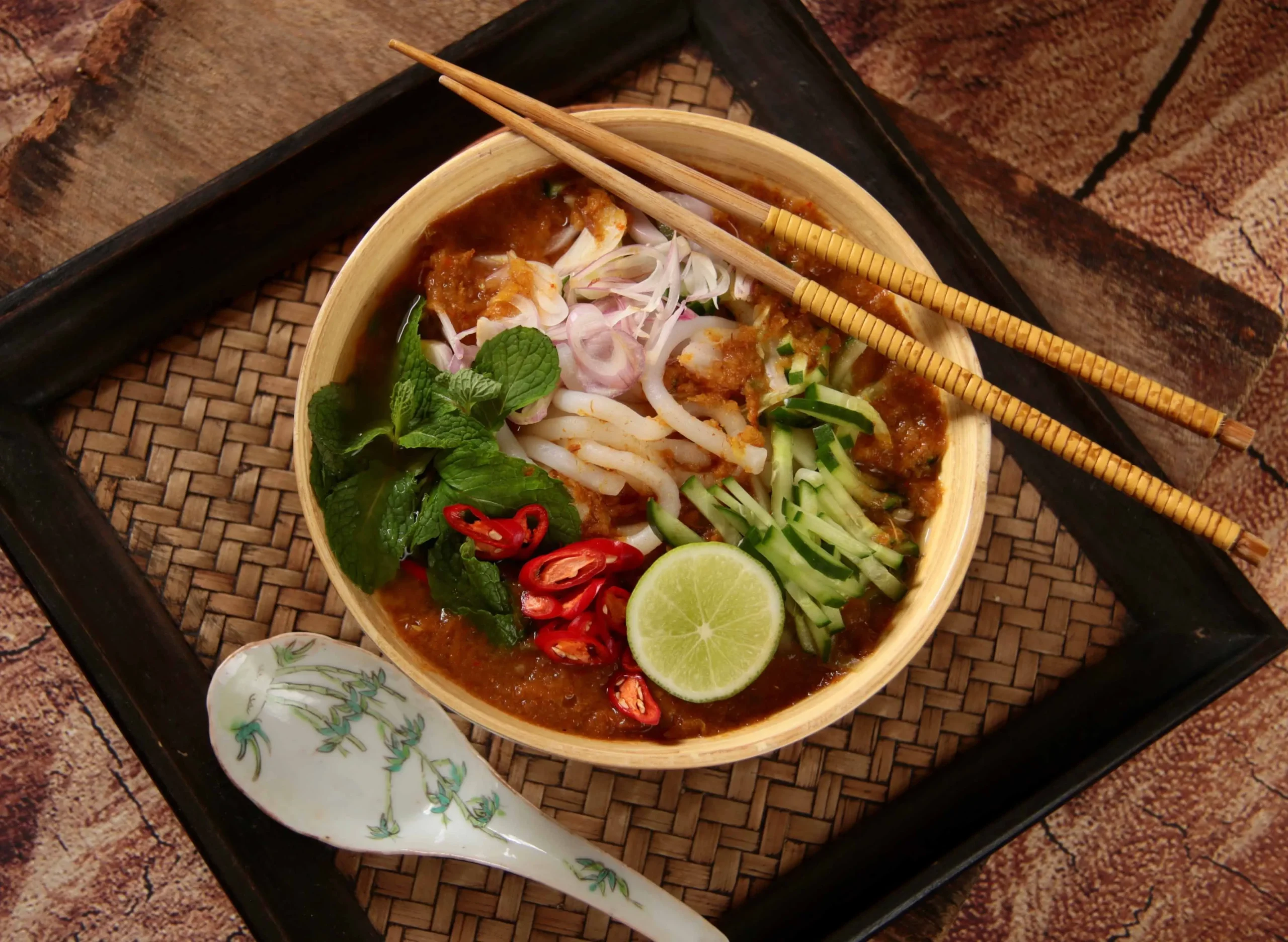
This Penang-specific dish represents the ultimate fusion of Malay and Chinese culinary traditions. The broth combines mackerel (assam means sour), tamarind, lemongrass, galangal, and chili into a complex, intensely flavored liquid. Yellow noodles and vermicelli provide textural contrast, while garnishes of fresh mint, onions, pineapple, and cucumber add brightness and acidity.
The cultural significance: Assam Laksa originated during trade encounters when Chinese merchants adopted local Malay fish soups and transformed them through Chinese noodle integration. The result belongs to neither tradition exclusively-it’s distinctly Penang, impossible to replicate authentically outside the region.
Where to eat it: Chulia Street offers multiple excellent Assam Laksa stalls; quality consistency is high throughout George Town.
Penang Curry Mee (Rich Coconut Noodle Soup)
Unlike Assam Laksa’s sour foundation, Penang Curry Mee relies on coconut milk, curry spices, and rich seafood broth. The dish combines yellow noodles and vermicelli with prawns, pork, cockles, tofu, and hard-boiled eggs. The broth achieves a luxurious depth through hours of slow simmering-a labor-intensive process that explains why hawkers specialize in this single dish.
Optimal eating conditions: Best consumed early morning when the broth is freshest from overnight slow-cooking. Gurney Drive and other morning markets feature dedicated Penang Curry Mee stalls where queues form before 8 AM.
Hokkien Mee (Rich Prawn & Pork Noodle Soup)
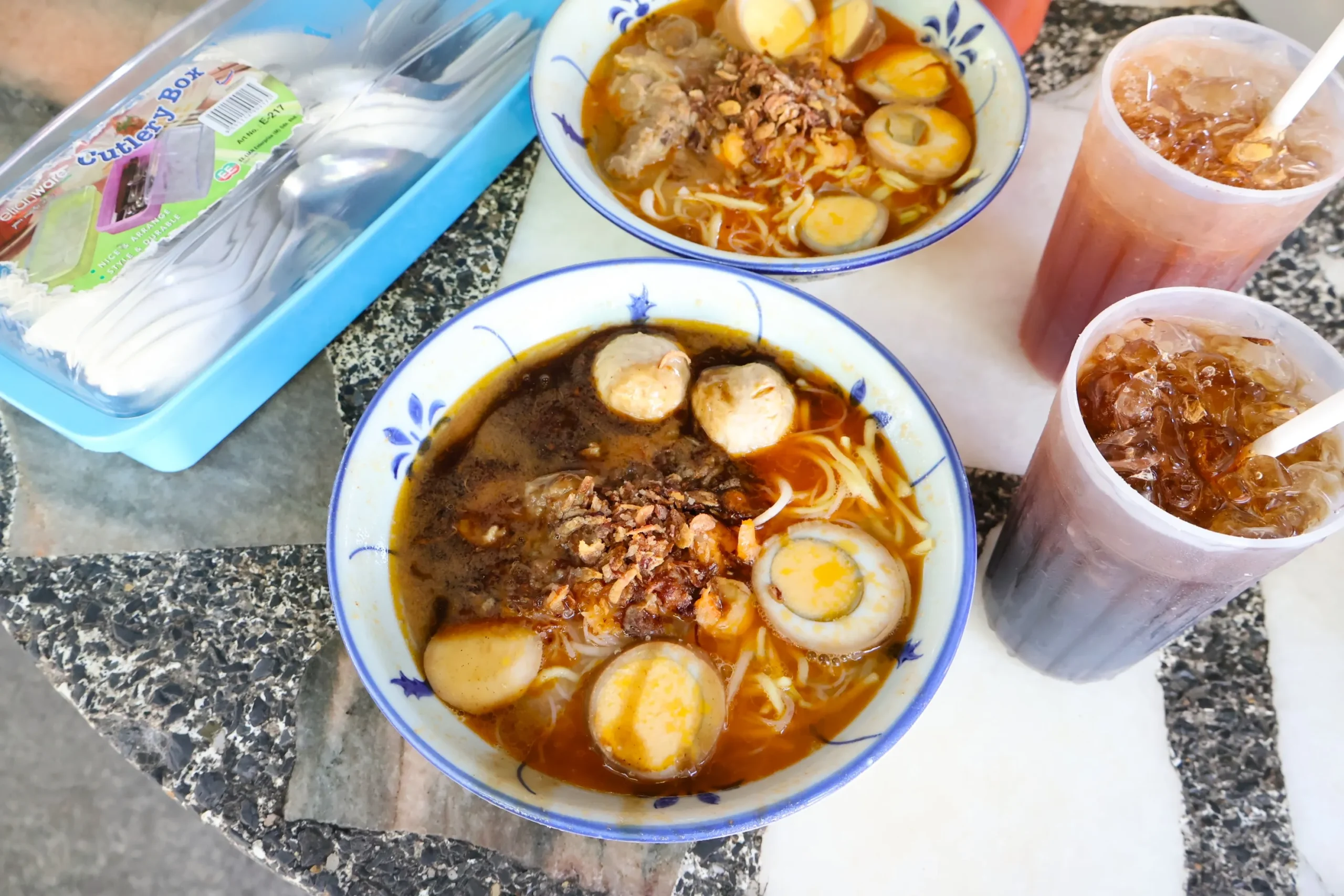
This yellow noodle and vermicelli combination swims in a rich broth derived from prawn heads, pork bones, and seafood stock. Topped with whole prawns, pork slices, hard-boiled eggs, and kangkung (water spinach), Hokkien Mee represents maximum umami satisfaction.
The cooking process: The broth-making is crucial-vendors simmer prawn shells and pork bones for hours, extracting every molecule of flavor. The final dish relies entirely on broth quality; mediocre broth produces mediocre results.
Nasi Kandar (Rice with Curries)
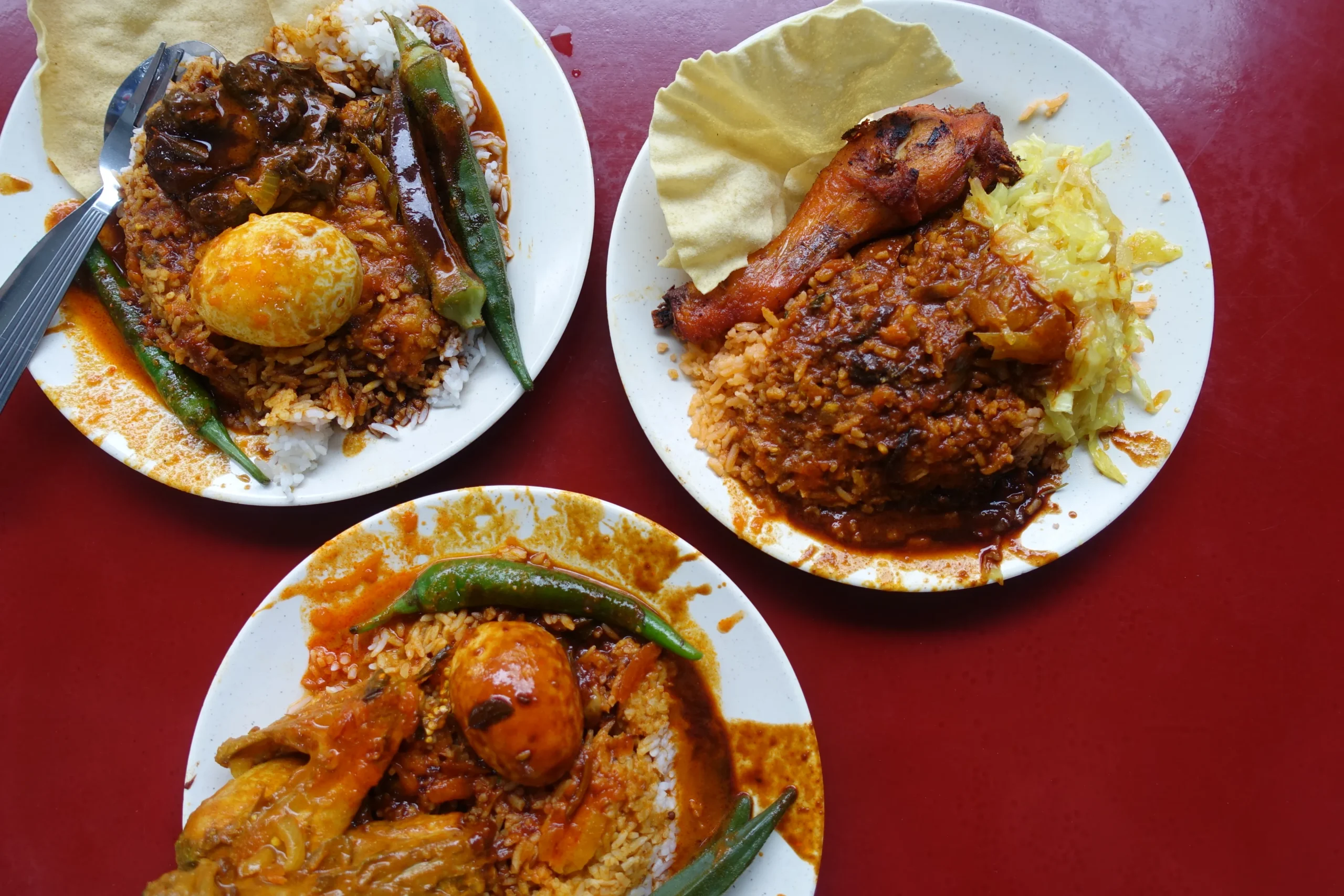
This Indian Muslim-influenced dish demonstrates how George Town’s multicultural heritage creates entirely new culinary categories. Steamed white rice arrives as a blank canvas; customers select from multiple curries (chicken, lamb, seafood, vegetable), fried items, and condiments. The “banjir” (flood) style sees multiple gravies poured simultaneously-a dramatic and delicious presentation.
Ordering strategy: Point directly at your desired curries; don’t rely solely on descriptions. The visual selection ensures you get exactly what appeals to you.
Roti Canai (Flaky Flatbread)
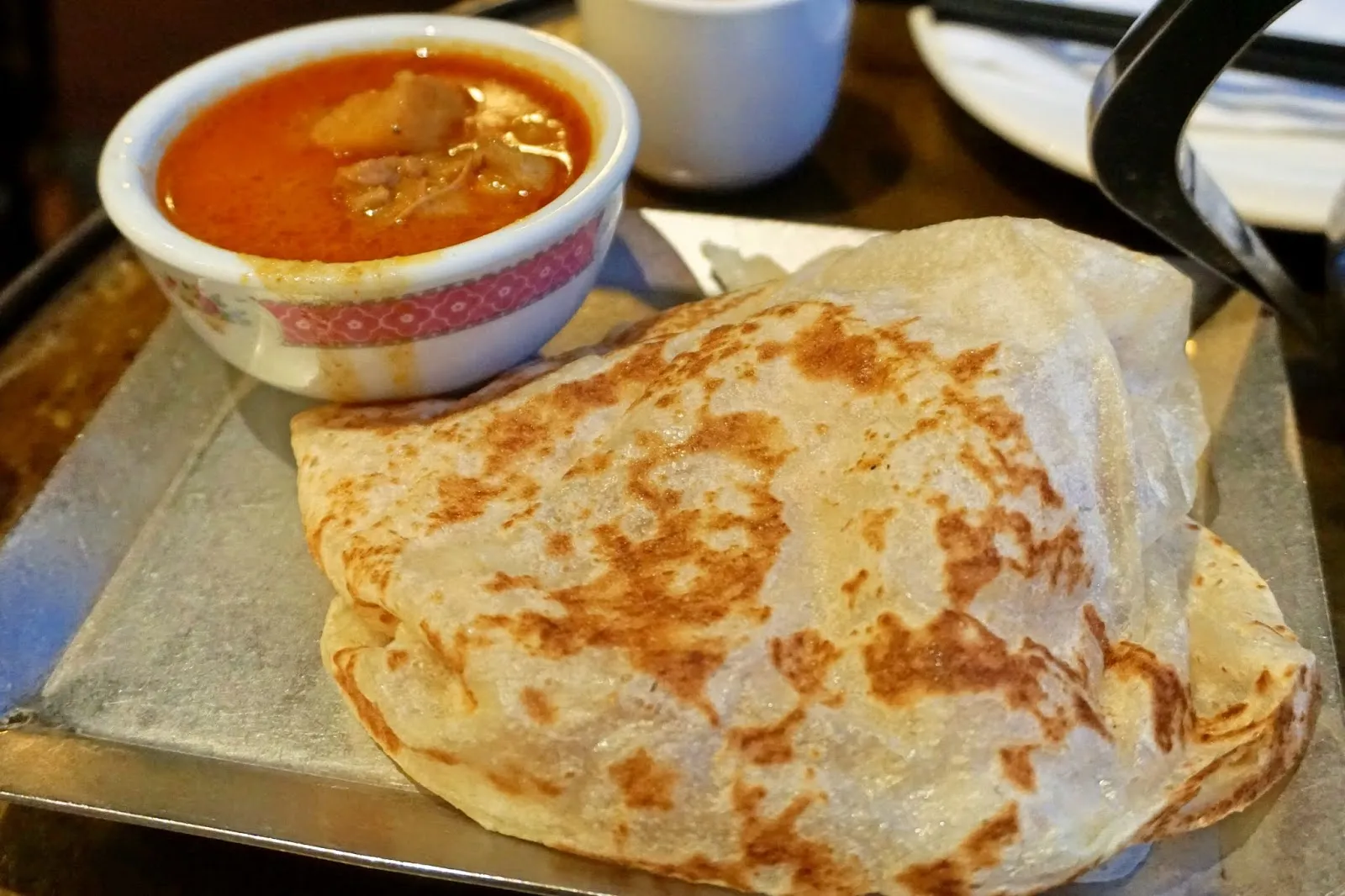
This Indian-Muslim specialty features dough stretched paper-thin, folded into layers, and cooked on a griddle until golden and crispy. Served with dhal, curry, or occasionally sweetened condensed milk, Roti Canai provides a textural experience impossible to replicate at home.
The technique: Expert Roti Canai vendors perform a hypnotic dance-stretching dough impossibly thin, folding with precision, cooking with intuitive timing. Observing this process is entertainment in itself.
Oyster Omelette (Oh Chien)
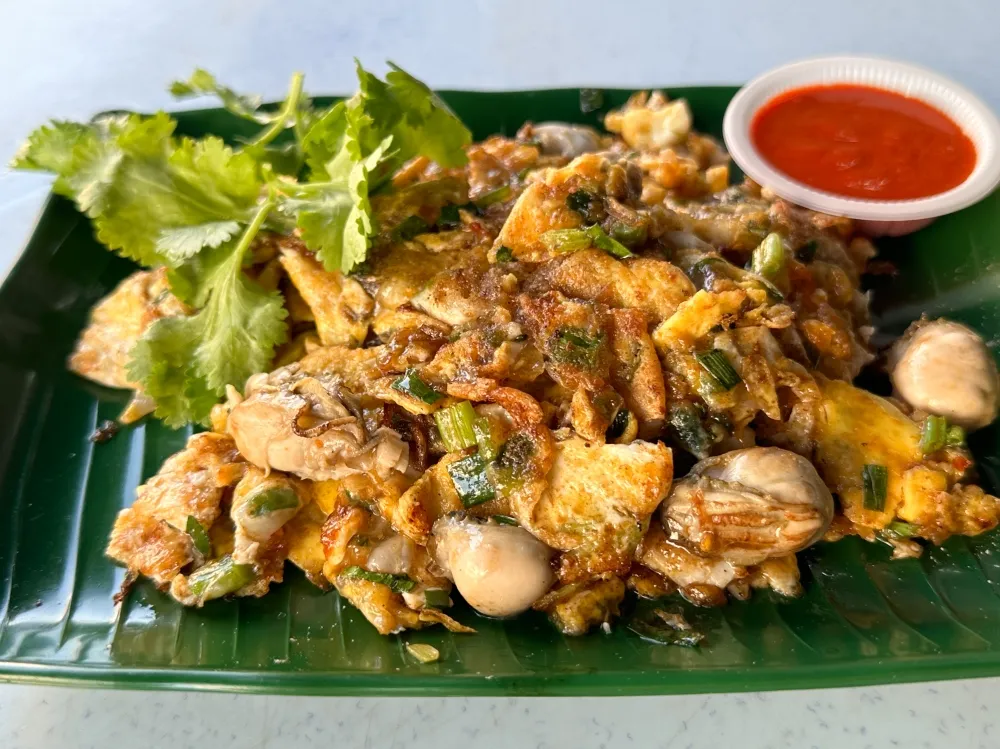
Plump oysters are nestled into a savory egg-and-corn starch batter, then cooked until the exterior crisps while the interior remains slightly soft. Served with chili and lime, this dish showcases simplicity elevated through technique and ingredient quality.
Why oyster quality matters: George Town’s proximity to coastal sources ensures fresh, flavorful oysters. The freshness differential versus inland destinations is noticeable.
Cendol (Pandan Jelly Dessert)
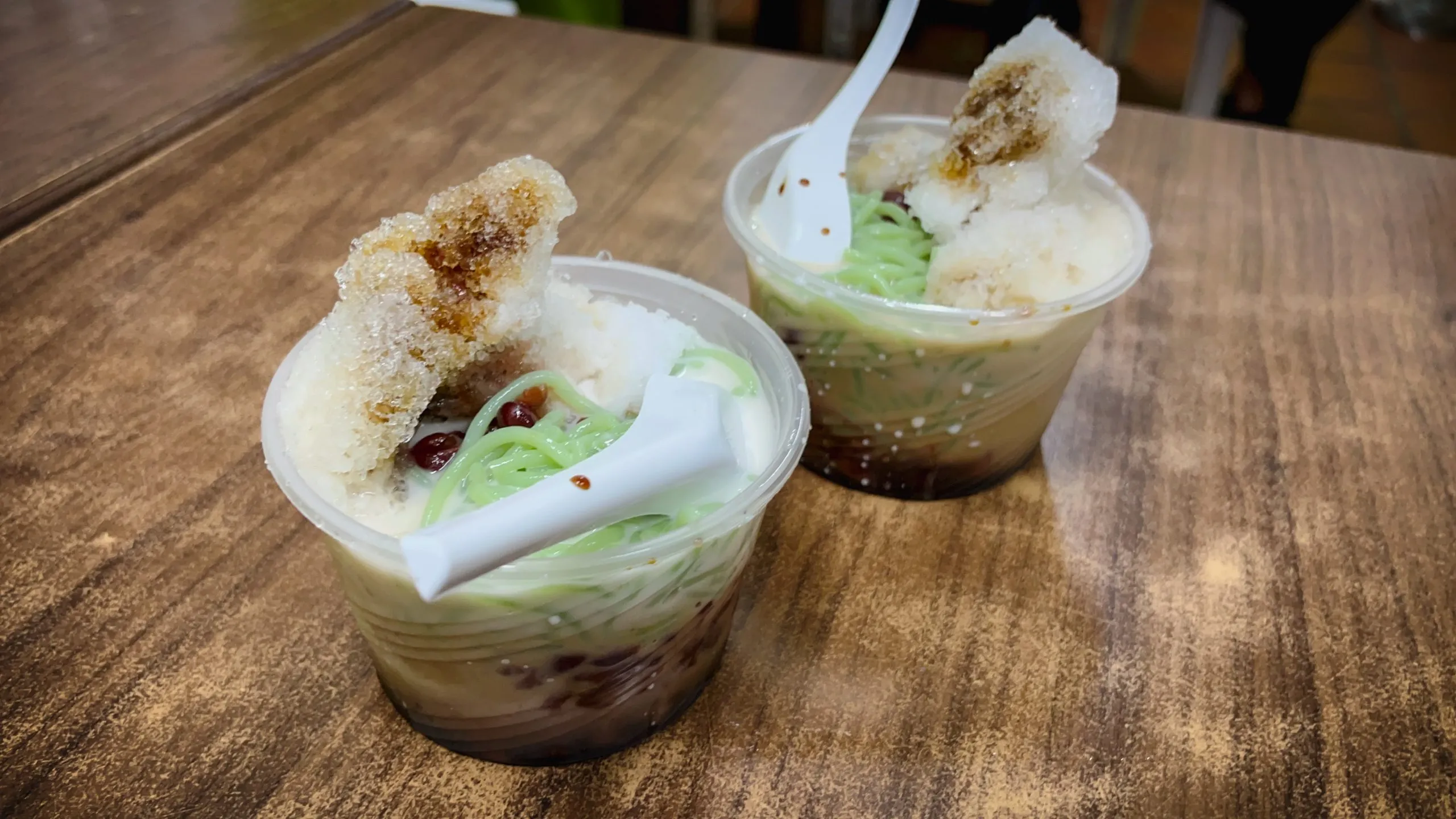
This cooling dessert features shaved ice, green pandan jelly noodles, coconut milk, palm sugar syrup, and optional red beans. The combination creates contrasting temperatures, textures, and flavors-refreshing without being cloyingly sweet.
Timing consideration: Best consumed after a spicy main course to cool the palate. Popular during lunch hours throughout George Town.
Nyonya Cuisine: The Straits Chinese Culinary Tradition
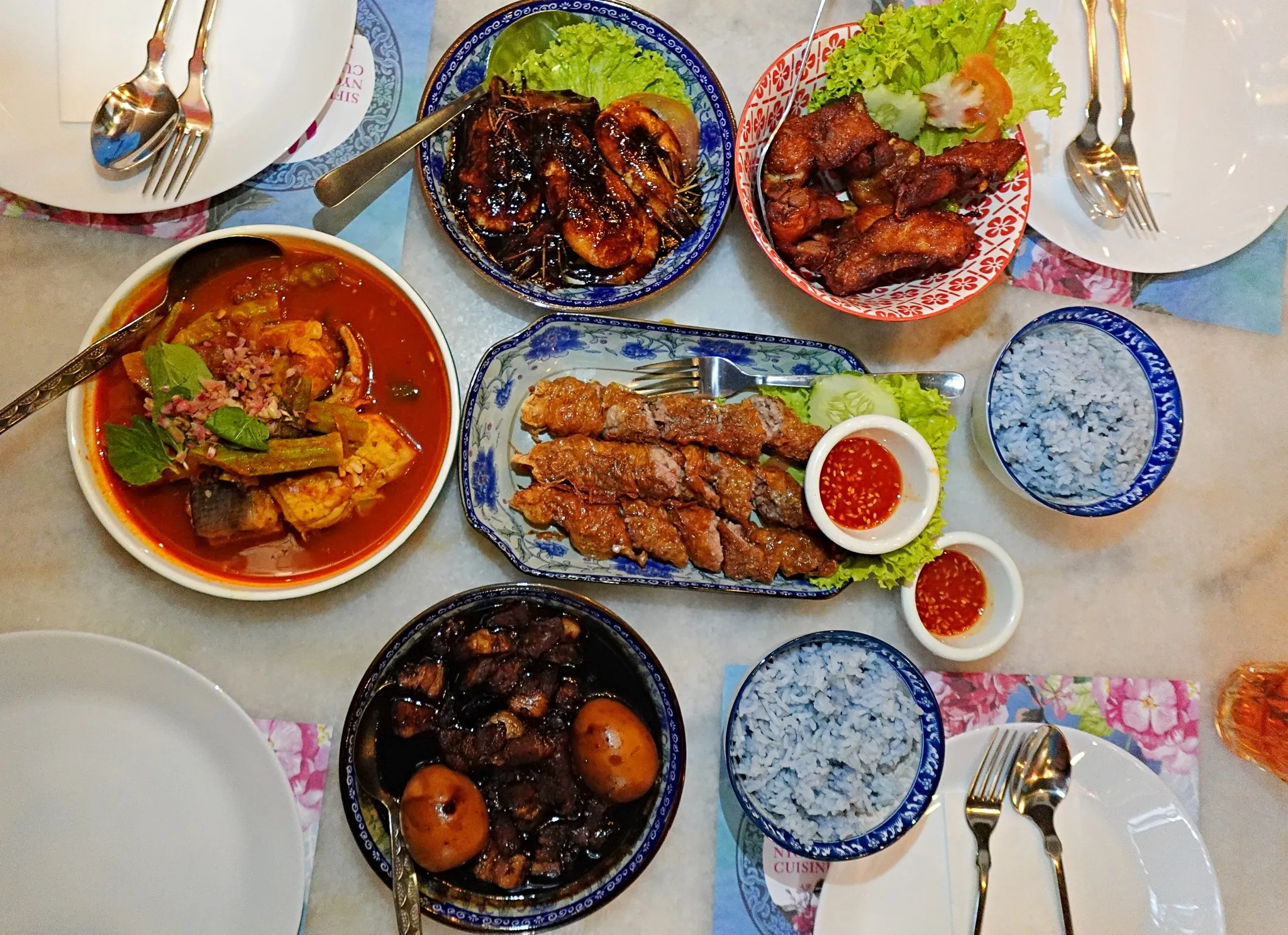
Nyonya food represents perhaps the ultimate expression of George Town’s multicultural synthesis. Combining Chinese ingredients and techniques with Malay spices and flavor profiles, Nyonya cuisine emerged from Straits Chinese (mixed Chinese-Malay heritage) communities.
Signature Nyonya dishes:
- Ayam Pongteh: Braised chicken with fermented soybean sauce, potato, and onion-simultaneously Chinese and Malay
- Otak-Otak: Grilled fish paste wrapped in banana leaves, requiring labor-intensive preparation
- Laksa Lemak: Rich, coconut-based curry noodle dish
- Nyonya Kuehs: Traditional desserts using glutinous rice flour, palm sugar, and coconut milk
Where to experience authentic Nyonya cuisine: The Pinang Peranakan Mansion sometimes offers cultural demonstrations. Several restaurants throughout George Town specialize in Nyonya cuisine; guided food tours often include Nyonya establishments.
Practical Guidelines for Safe & Satisfying Street Food Experiences
George Town’s street food reputation is earned-hygiene standards in popular stalls are surprisingly high. Strategic approaches to maximize safety and satisfaction:
Stall Selection Indicators:
- Long queues: This indicates fresh ingredients, correct seasoning, and rapid turnover. Popular stalls prepare fresh batches throughout service hours.
- Visible food preparation: Quality vendors aren’t hidden away. Observe how stallholders handle ingredients, wash their hands, use utensils. Professional behavior is visible.
- Cooked-to-order approach: Avoid dishes sitting in warmers for extended periods. Opt for stalls cooking fresh when you order.
- Cleanliness standards: The surrounding area and worker hygiene communicate respect for food safety.
Personal Health Strategies:
- Start conservatively: If your digestive system isn’t accustomed to the culinary intensity, introduce new dishes gradually rather than attempting the entire canon simultaneously.
- Bottled beverages only: Stick to sealed beverages and avoid tap water. Most hawker stalls offer affordable bottled options.
- Daylight dining preference: While night hawker markets are atmospheric, daylight hours allow clearer observation of food handling and ingredient freshness.
- Listen to your instincts: If something visually or aromatically seems questionable, move to another stall. Thousands of alternatives exist.
- Timing considerations: Breakfast and lunch periods feature higher customer volume and ingredient freshness. Dishes sitting in evening warmers may not reflect quality as consistently.
Personal preparation:
- Carry probiotics or digestive supplements if your stomach tends toward sensitivity
- Maintain hydration-the tropical heat and spicy food create cumulative dehydration
- Schedule less-intensive activity days following aggressive street food experimentation
Beyond Hawker Centers: Cafe Culture & Specialty Restaurants
While street food represents George Town’s soul, the city’s dining landscape extends far beyond hawker stalls.
Heritage Cafes & Artisanal Coffee Culture
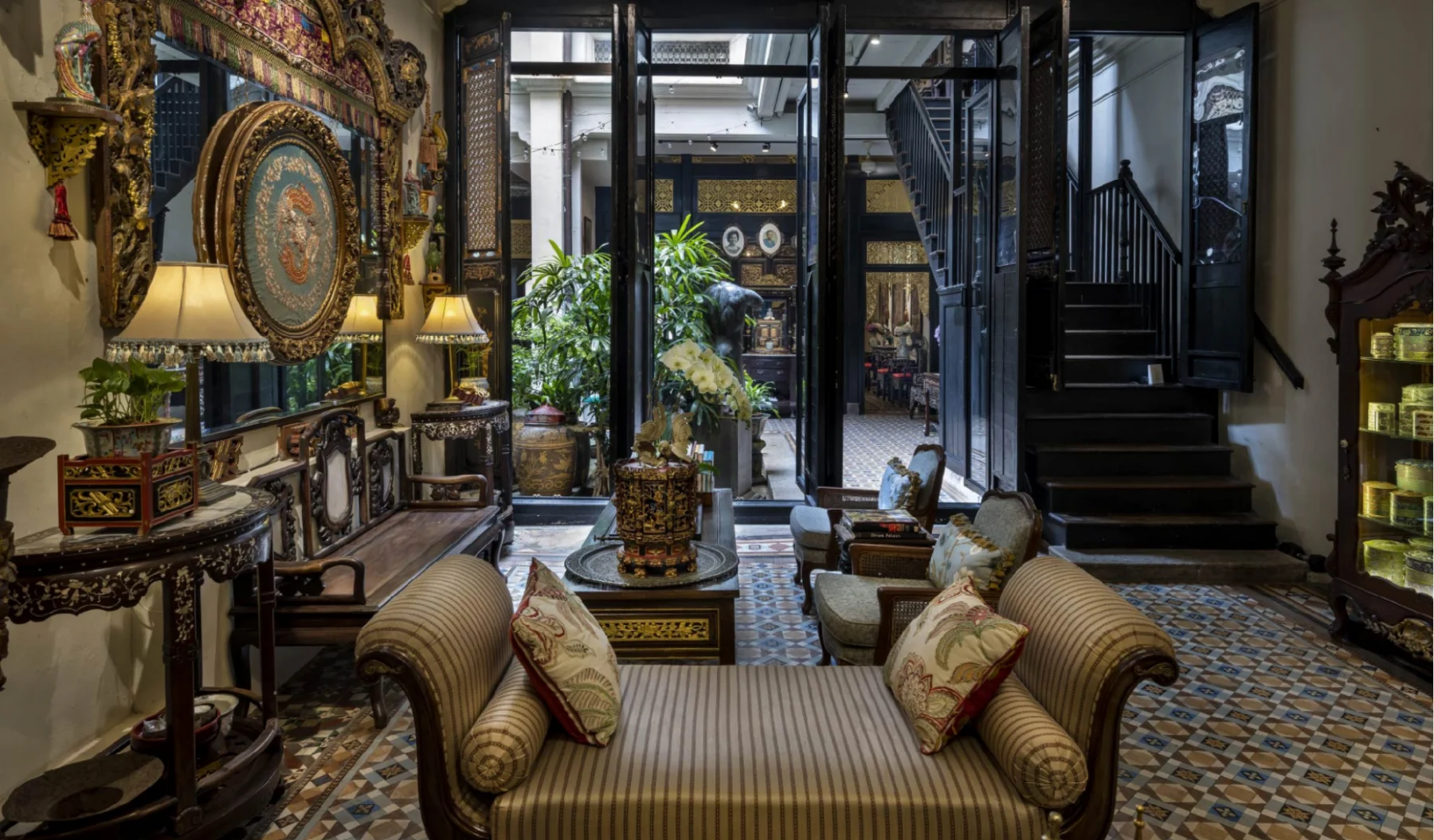
George Town’s restored shophouses have sparked a sophisticated cafe movement. These establishments occupy beautifully preserved heritage spaces, offering:
- Specialty coffee (single-origin, third-wave roasters)
- Artisanal pastries and desserts
- Quiet spaces for work or reflection
- Cultural atmosphere impossible to replicate elsewhere
Armenian Street has become cafe central, with dozens of options ranging from minimalist modern spaces to maximalist heritage-filled interiors. These cafes provide respite from heat, an opportunity to process experiences, and casual social spaces where locals and travelers intermingle.
Specialty Restaurants & Dining Experiences
George Town hosts an expanding restaurant scene balancing tradition with innovation:
- Upscale Nyonya restaurants: Offering refined interpretations of Straits Chinese cuisine in air-conditioned comfort
- Modern fusion establishments: Chefs synthesizing traditional George Town flavors with contemporary plating and techniques
- Vegetarian options: Increasingly available given Buddhist and Hindu population sectors
- International cuisines: For those seeking dietary variety or familiar comfort
Recommendation approach: Use Google Maps to research restaurants, filter by ratings and reviews, check real‑time status, and access current location options. Many specialty restaurants offer Trip Planner integration for reservation and logistics coordination.
Part 4: Strategic Accommodation Selection-Staying in George Town
Your accommodation choice fundamentally shapes your George Town experience. The city offers remarkably diverse options, each offering distinct advantages and experiences.
Heritage Hotels: Immersion in Colonial Elegance
The Eastern & Oriental Hotel (The E&O)
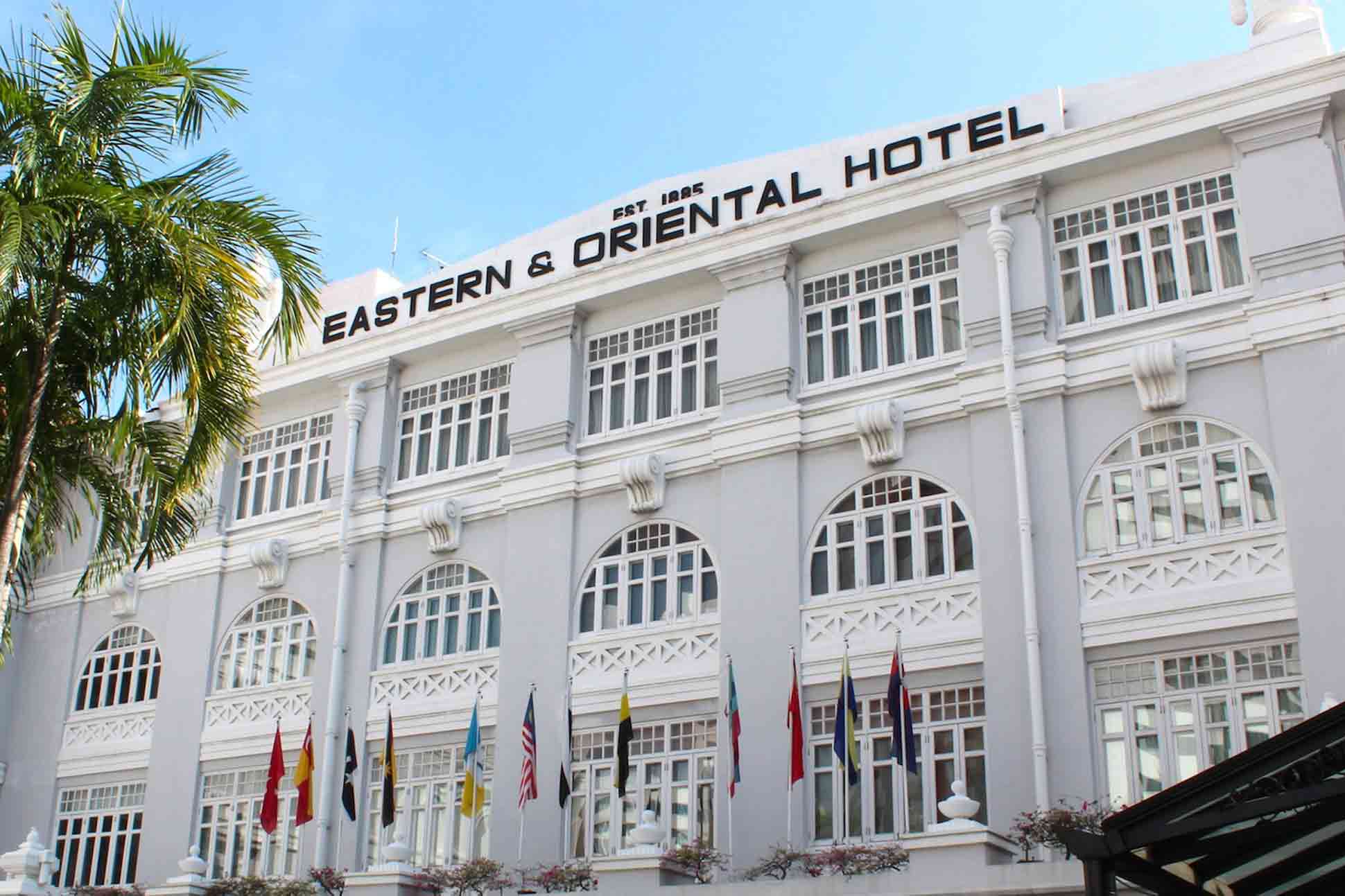
For travelers seeking uncompromising luxury, The E&O represents the apex of George Town hospitality. This British colonial-era hotel has hosted dignitaries, artists, and distinguished travelers since its establishment. Staying at The E&O provides:
- Immersion in authentic colonial-era grandeur
- Personalized service reflecting traditional British hospitality standards
- Dining experiences showcasing heritage and contemporary cuisine
- Prime waterfront location providing escape from street-level intensity
The E&O justifies its premium pricing through exceptional architectural preservation, service excellence, and historical significance. The property allows direct engagement with the colonial era-not as museum exhibit, but as lived experience.
Boutique Heritage Hotels
Beyond The E&O, George Town offers dozens of independently operated heritage hotels providing intimate, personalized experiences:
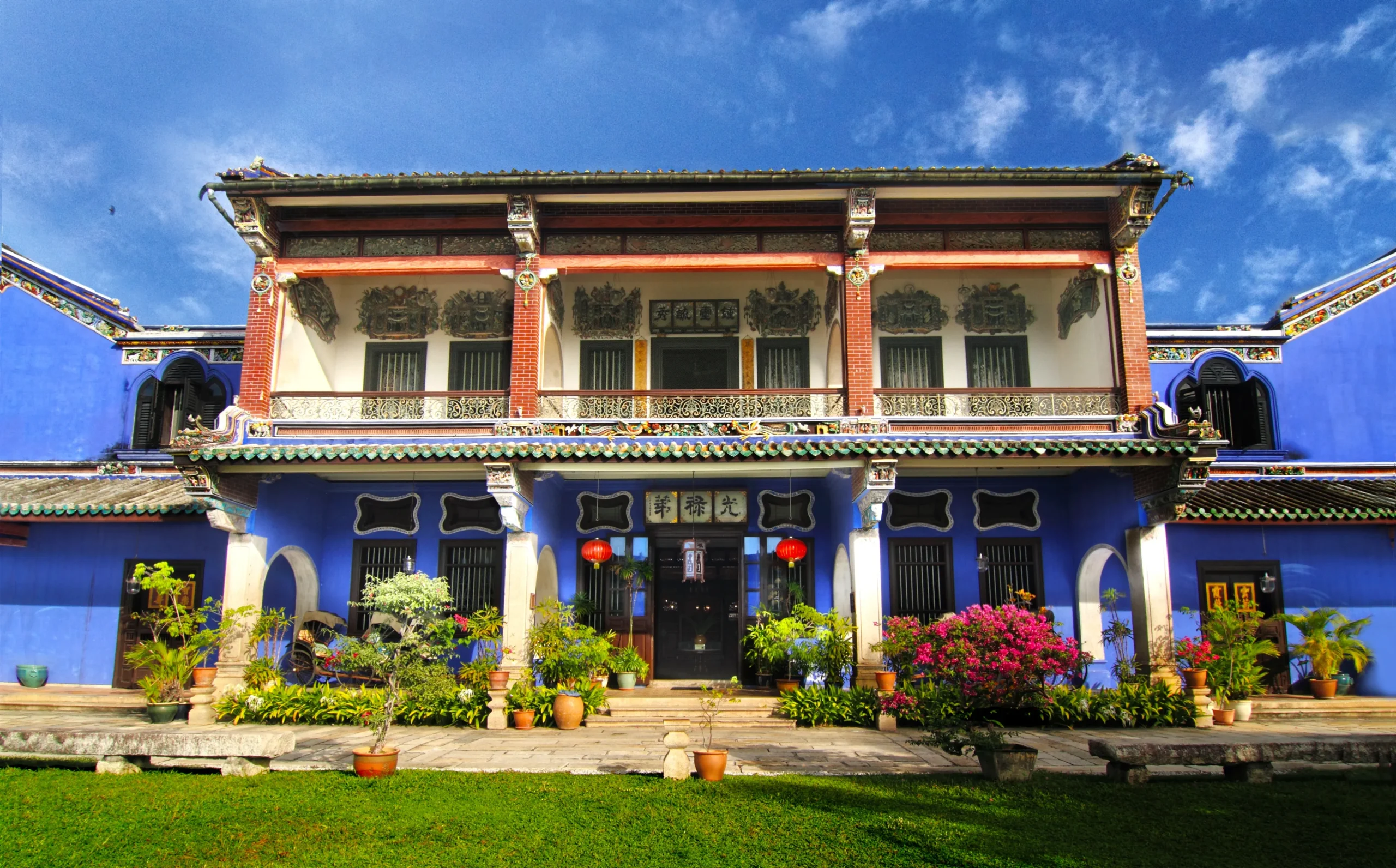
- Cheong Fatt Tze Mansion: A working heritage property offering accommodation within a magnificently preserved 19th-century mansion. Staying here provides unparalleled architectural immersion-genuine antique furniture, period details, and historical narratives woven through daily experience.
- Campbell House: A restored colonial residence offering personalized hospitality, exceptional architectural detailing, and proprietor knowledge that transforms mere accommodation into cultural education.
- Seven Terraces: Heritage shophouses converted into a boutique hotel, featuring restored original features while offering contemporary comfort standards.
The Heritage Hotel Advantage:
These properties aren’t simply places to sleep-they constitute part of the heritage experience itself. Waking to period furnishings, antique wooden details, and courtyard views connects you physically to George Town’s historical narrative. Many offer activities like traditional craft workshops, heritage walking tours led by knowledgeable staff, or culinary experiences focusing on Nyonya or traditional Peranakan cuisine.
Booking strategy: Heritage hotels operate with limited rooms and often achieve 90-100% occupancy during peak seasons. Book well in advance (3-6 months minimum during December holidays). Personal communication with proprietors often reveals room options better matching specific preferences.
Boutique & Contemporary Hotels: Modern Comfort with Heritage Sensibility
George Town’s boutique hotel sector demonstrates that contemporary design and historical sensitivity aren’t mutually exclusive. Properties in this category offer:
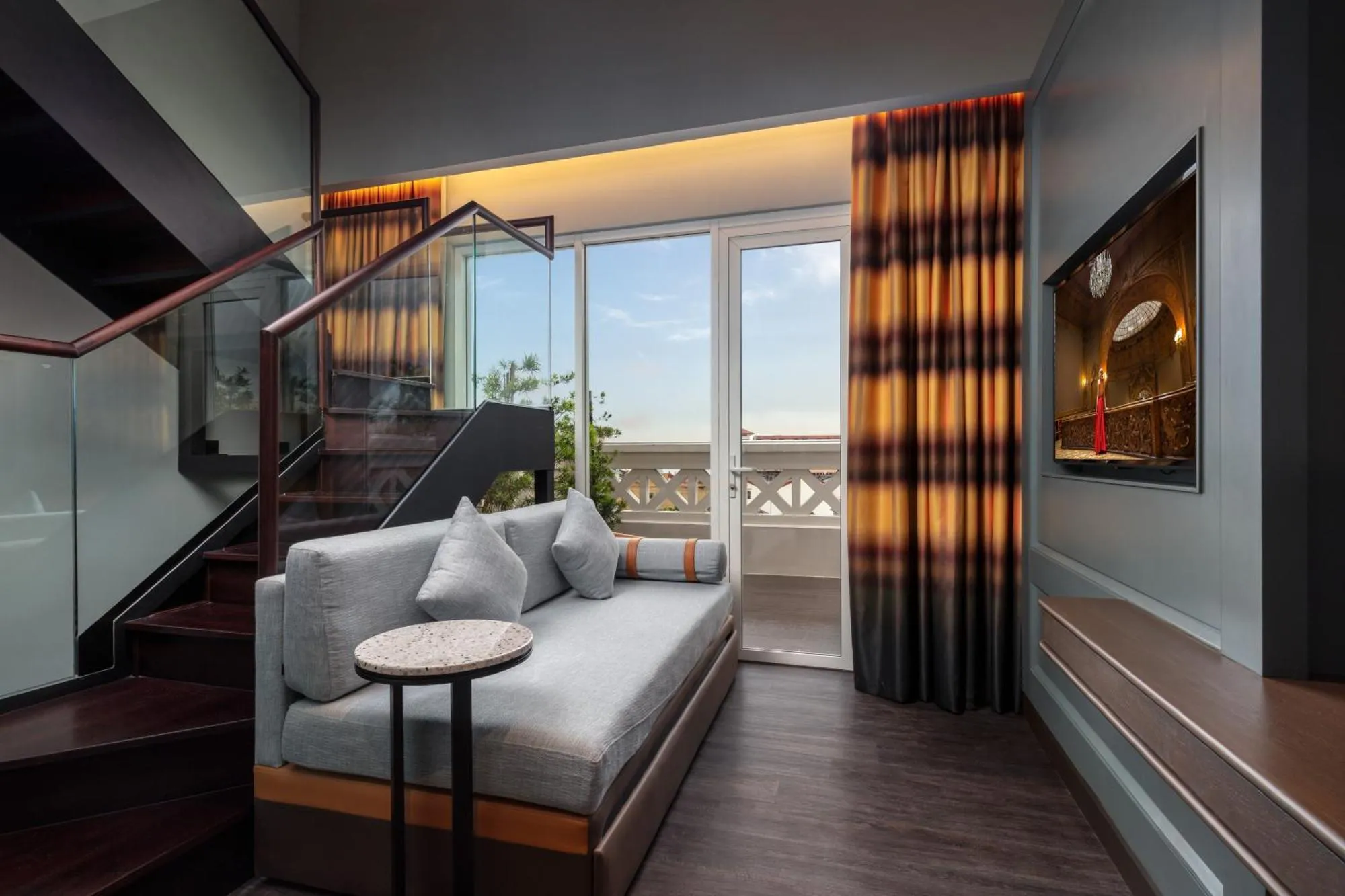
- Stylish, modern room designs
- Contemporary amenities (high-speed internet, modern plumbing, air conditioning)
- Rooftop pools with city panoramas
- On-site restaurants and bars
- Central heritage zone locations
- Service standards matching international expectations
Occupancy patterns & booking advantages:
George Town’s hotel occupancy data shows that boutique hotels maintain 60-65% average occupancy rates outside peak seasons, with rates accelerating to 80%+ during holiday periods. This translates to practical advantages:
- Greater availability than heritage properties during moderate-traffic periods
- Potentially negotiable rates during shoulder seasons (April-May, September-October)
- Reliable modern amenities without heritage-related quirks (limited hot water, noise transmission through old walls)
Boutique hotel clustering: Most boutique properties occupy the heritage zone-Armenian Street, Lebuh Chulia, Light Street areas. This positioning provides optimal walkability to attractions, restaurants, and street art destinations.
Budget-Friendly Options: Hostels & Guesthouses Without Compromise
George Town’s hostel and guesthouse sector proves that budget accommodation doesn’t require sacrificing character or location.
What Makes George Town Hostels Exceptional:
Rather than standardized corporate hostels, George Town’s options often occupy beautifully restored shophouses, maintaining architectural character while providing:
- Clean, well-maintained dormitory facilities
- Private rooms (usually RM60-120/$15-30 USD nightly)
- Communal areas fostering social connection
- Staff knowledgeable about local attractions and dining
- Central heritage zone locations
The Social Dimension:
Hostels create built-in social structures-you’ll naturally encounter other travelers, share dining recommendations, and potentially form travel companion relationships. This isn’t mere accommodation; it’s community participation.
Optimal usage strategy:
Hostels work particularly well for:
- Solo travelers seeking social connection
- Budget-conscious groups dividing dormitory costs
- First-time visitors without established local networks
- Individuals testing potential longer-term neighborhood residence
Booking approach: Use established platforms with verified reviews. Read guest feedback specifically mentioning location quality, staff helpfulness, and cleanliness standards. Many George Town hostels maintain strong reputations-invest time selecting the best match for your priorities.
Strategic Location Selection Within George Town
Your neighborhood choice matters as much as accommodation type. Consider these zones:
The Heritage Core (Armenian Street, Lebuh Chulia, Light Street)
- Advantages: Walking distance to major attractions, street art, temples, hawker centers
- Disadvantages: Higher noise levels (street activity extends late), more tourist-focused commercial activity
- Ideal for: Heritage immersion, first-time visitors, those prioritizing walkability
Little India & Malay Quarter Periphery
- Advantages: More residential character, local business focus, less tourist saturation
- Disadvantages: Slightly longer walking distances to heritage core attractions
- Ideal for: Cultural adventurers seeking less-touristed experiences, repeat visitors
Waterfront/Swettenham Pier Areas
- Advantages: Ferry terminal proximity, quieter atmosphere, scenic vistas
- Disadvantages: Fewer immediate attractions, longer walks to heritage zone
- Ideal for: Those prioritizing peace over constant activity
Occupancy Rate Context:
The Malaysian Association of Hotels reported average Penang occupancy of 60.3% in April 2025, exceeding national averages of 50.6%. This data indicates:
- Room availability even during moderate-travel periods
- Potential rate negotiation outside December-January and July-August
- Generally well-maintained property standards (to compete for the limited customer base)
Part 5: Transportation & Navigation-Your Complete Getting Around Guide
Effective transportation strategy transforms potential frustration into seamless exploration. George Town’s public transit system, while less developed than Singapore’s or Bangkok’s MRT networks, provides excellent value and authentic local experience.
Arriving in Penang: Entry Point Navigation
By Air: Penang International Airport
Penang International Airport (PIA) handled 7.6 million passengers in 2024, making it Malaysia’s second-busiest aviation hub. This volume ensures:
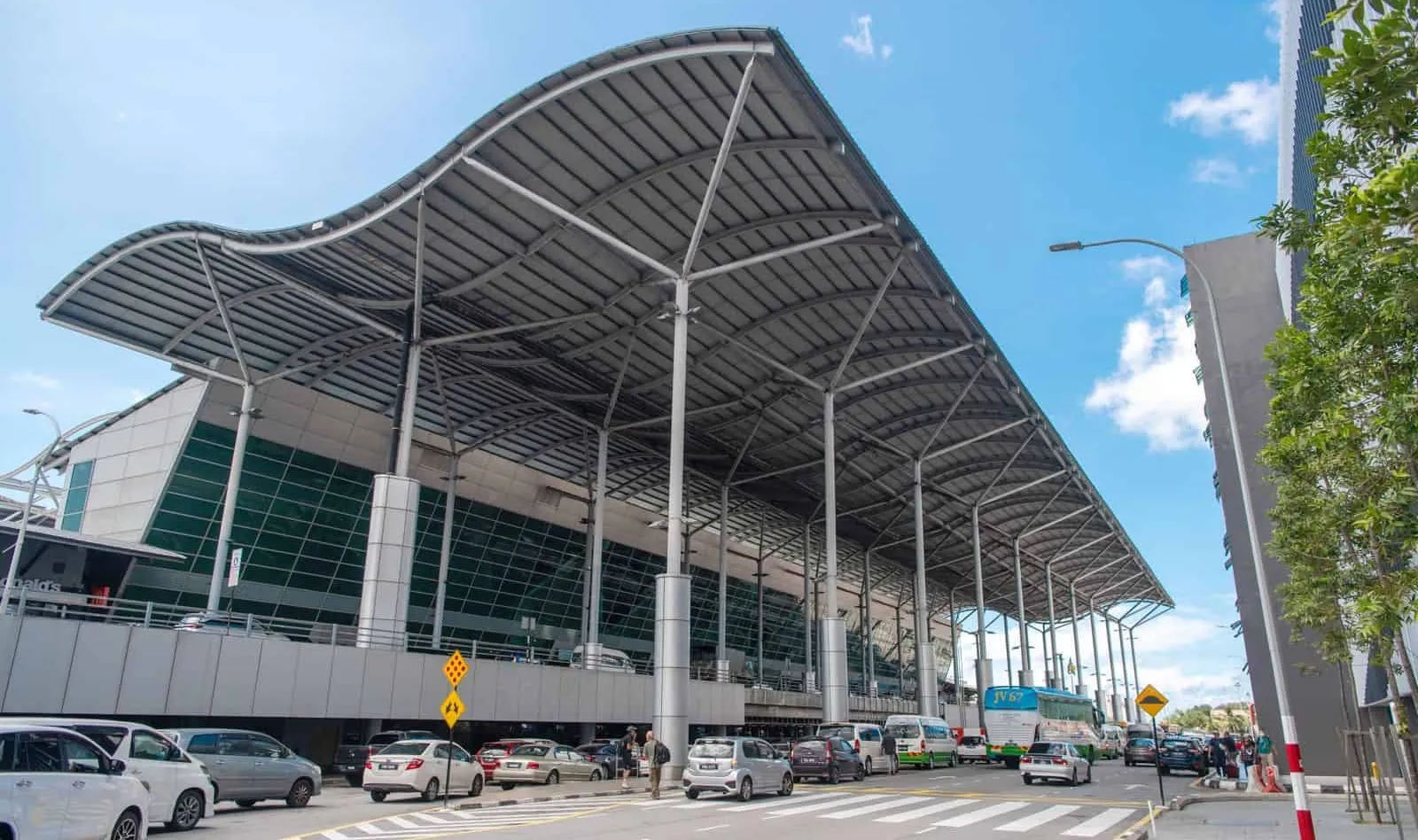
- Frequent regional and international flight options
- Multiple ground transportation alternatives
- Modern airport infrastructure and facilities
Airport to George Town Distance & Duration:
PIA locates approximately 16 kilometers south of George Town. Journey time varies dramatically by transportation method and traffic conditions:
- Taxi or ride-sharing (Grab): 45-60 minutes during normal traffic, 90+ minutes during rush hours
- Airport bus (Rapid Penang): 60-90 minutes with multiple stops
- Private transfer services: 45-55 minutes (premium pricing)
Optimal approach for first-time visitors:
For initial arrivals, ride-sharing apps offer the best balance of cost, convenience, and predictability. Download Grab before arrival, ensure your SIM card has data, and arrange transportation immediately upon clearing immigration. Driver ratings and real‑time status updates provide transparency and security.
By Ferry: The Scenic Alternative Route
Ferry service connects Butterworth (mainland) to the Raja Tun Uda Terminal in George Town. This scenic water crossing provides:
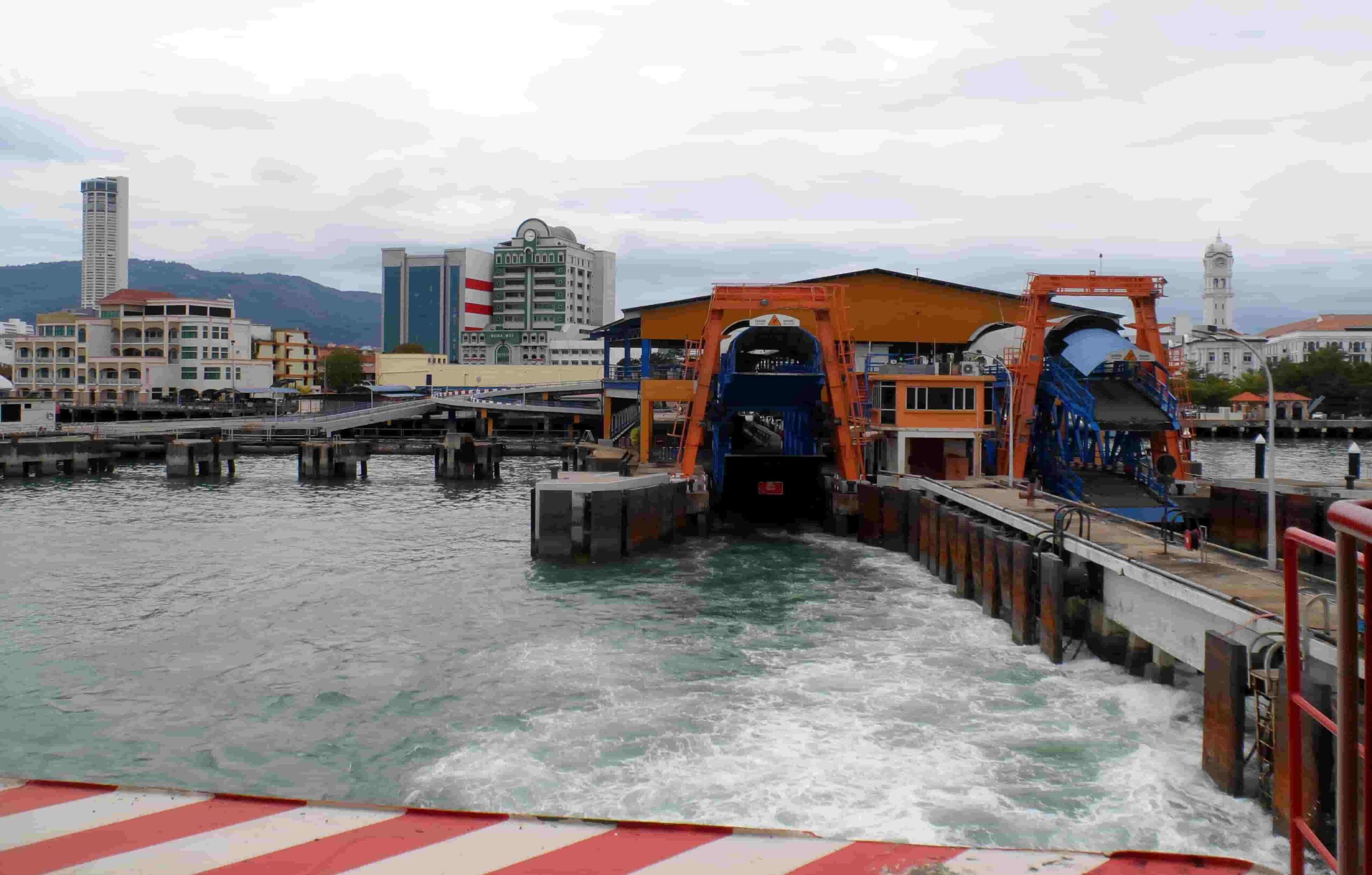
- Authentic waterfront experience
- Atmospheric views of both mainland and island coastlines
- Cost-effective transportation (approximately RM4/$1 USD per journey)
- Integration with Malaysia’s train network (Butterworth railway station is ferry-adjacent)
Ferry scheduling: Modern schedules offer departures every 15-30 minutes during daylight, extending to midnight. Check Rapid Penang app or ferry terminal websites for current schedules and fares.
By Road: The Bridge Routes
Penang connects to mainland Malaysia via two major bridge systems:
- Penang Bridge: Original crossing, handling the majority of vehicle traffic
- Sultan Abdul Halim Muadzam Shah Bridge (Second Bridge): Newer route offering alternative passages
Traffic context: Penang recorded approximately 2.67 million registered vehicles as of October 2024. This volume means:
- Expect congestion during weekday peak hours (7-9 AM, 4-7 PM)
- Plan travel for off-peak periods (10 AM-3 PM, after 8 PM)
- Allow 50% additional time compared to optimal conditions during rush hours
Navigation Within George Town: The Practical Transport Arsenal
Walking: The Primary Discovery Method
George Town’s heritage zone measures roughly 2.5 km x 2 km-entirely walkable on foot. Walking provides:
- Spontaneous discoveries (markets, cafes, street art) impossible via motorized transport
- Direct engagement with local life and street activity
- Photography and lingering opportunities at will
- Exercise integration into exploration
Walking best practices:
- Wear comfortable shoes-cobblestones and uneven pavements are ubiquitous
- Use Google Maps for navigation, but don’t rely exclusively on it (some narrow alleys lack digital coverage)
- Carry water constantly in the tropical heat and humidity
- Seek shade periodically; the sun intensity midday can be overwhelming
- Start exploring early morning (6-9 AM) to avoid peak heat and discover local breakfast culture
Rapid Penang Bus Network
George Town is served by Rapid Penang buses-the city’s primary public transport system handling approximately 50,584 daily riders (November 2025 data). Buses offer:
- Extensive route coverage throughout George Town and broader island
- Extremely affordable fares (RM2-5/$0.50-1.25 USD typical routes)
- Frequent service on major routes
- Insight into local transportation culture
Using Rapid Penang effectively:
- Obtain route maps at the central KOMTAR bus terminal or via mobile apps
- Plan journeys in advance using the Transit app or public-transport mobile-apps like Moovit
- Carry small change-many drivers lack change capability for RM50 notes
- Identify your destination in advance-communication with drivers helps ensure correct boarding and alert for your stop
- Travel during moderate hours to avoid rush-hour congestion and standing
Key Rapid Penang routes for tourists:
- Route 101: Connects airport to George Town (approximately RM3-4)
- Routes 401-404: Service major tourist attractions and hawker centers
- Routes to Balik Pulau: Access to rural destinations and Ayer Itam Morning Market
Ride-Sharing (Grab)
Grab is the dominant ride-sharing platform throughout Malaysia. Advantages include:
- Fixed pricing known before confirming journey
- Driver accountability and rating systems
- Cashless transactions
- Real‑time status and tracking
- English-language interface (despite being in Malaysia)
Strategic Grab usage:
- Ideal for solo travelers, late-night journeys, or traveling with luggage
- More expensive than buses (RM8-20/$2-5 typical journeys) but far cheaper than traditional taxis
- Allow 15-30 minute wait times during peak hours
- Use it for journeys outside the walkable heritage zone (reaching Kek Lok Si Temple, Penang Hill, etc.)
Traditional Taxis
Licensed taxis remain available but require strategic management:
- Always ensure the meter functions before journey commencement
- Agree on fares in advance if the meter is unavailable
- Use regulated taxi stands rather than street hailing
- Generally more expensive than Grab for equivalent journeys
Bicycle Rentals
George Town offers bicycle rentals (approximately RM10-20 daily). Cycling suits:
- Exploration of quieter neighborhoods outside the main heritage zone
- Reaching nearby villages and coastal areas
- Flexible pacing and spontaneous stopping
- Environmental consciousness and cost minimization
Caveats for cycling:
- Penang’s heat and humidity can be challenging for extended rides
- Some roads lack dedicated cycle infrastructure
- Traffic on main roads can be aggressive
- Early morning (before 9 AM) or late afternoon (after 4 PM) riding optimizes comfort
Trishaw Rides: Cultural Experience & Short-Distance Transport
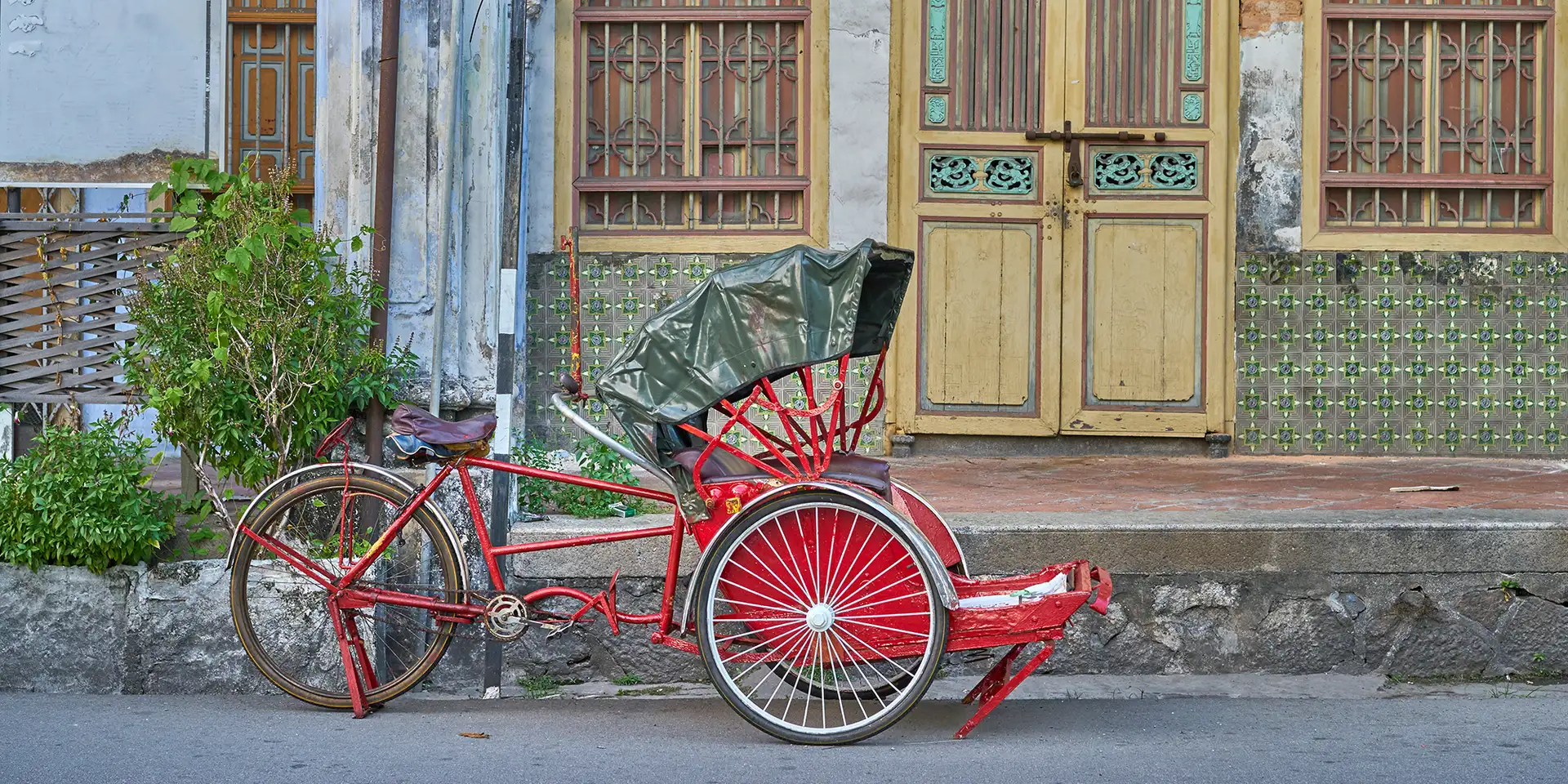
Traditional trishaws-three-wheeled vehicles pedaled by human operators-remain operational throughout George Town. These provide:
- Nostalgic, culturally immersive experiences
- Visual-level, slow-speed exploration
- Particularly atmospheric during sunset or evening hours
- Tourist-friendly pricing ($2-5 USD typical short journeys)
Trishaw strategy:
- Negotiate fares before boarding-standardized pricing varies by season and operator
- Use for short distances or specific photo-documentation journeys
- Avoid during peak heat hours (11 AM-3 PM)
- Treat operators with respect-this is physically demanding work
Reaching Beyond George Town: Island & Regional Exploration
Several significant attractions exist outside George Town proper, requiring intentional transport planning.
Kek Lok Si Temple (Ayer Itam)
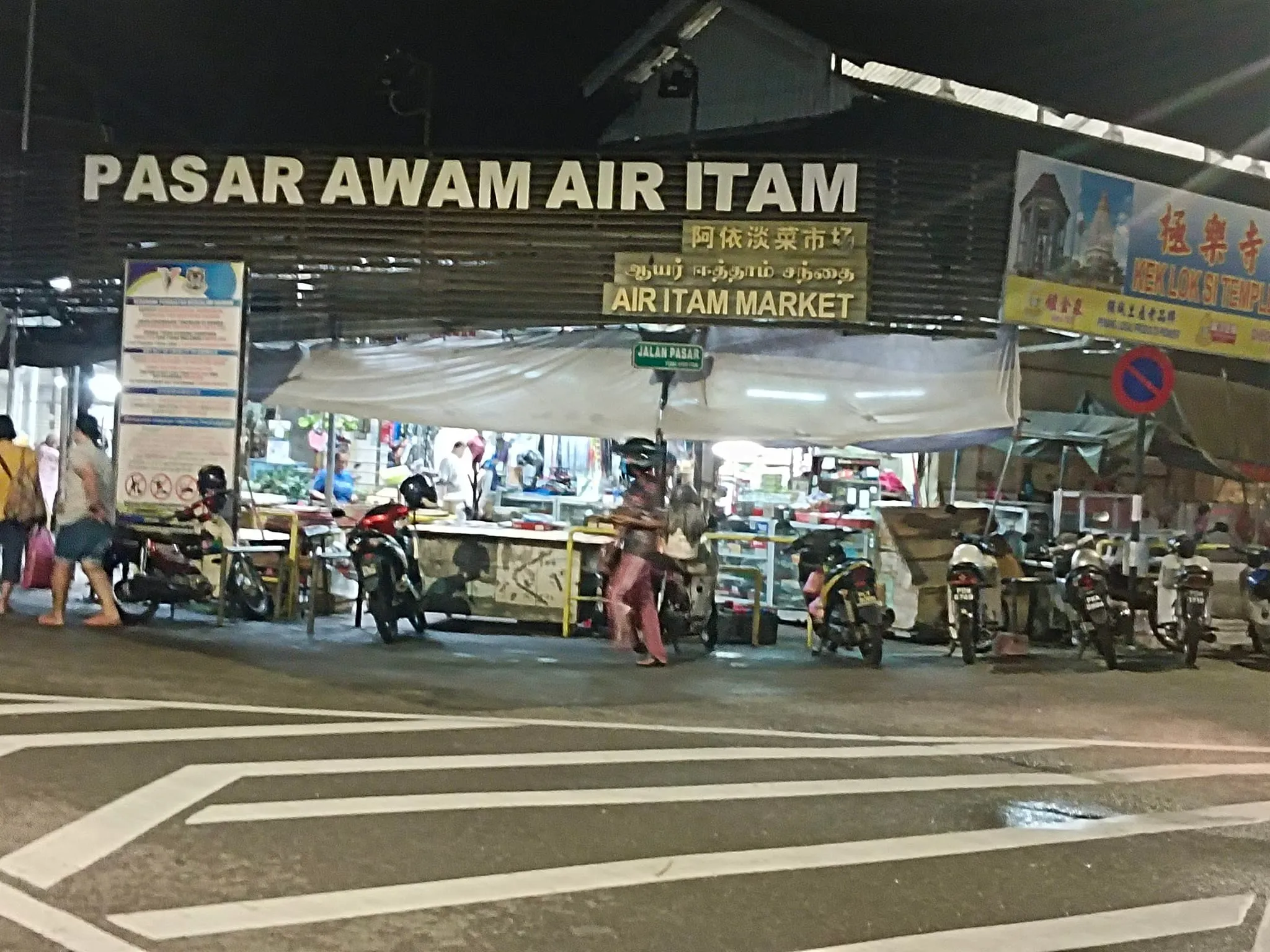
This magnificent Buddhist temple ranks among Southeast Asia’s largest religious structures. Located on a hillside in Ayer Itam (north of George Town):
Transportation options:
- Rapid Penang buses (Routes 1, 2, or 8)-budget option, 45-60 minute journey
- Grab ride-sharing-RM15-20, 30-40 minute journey
- Organized tours included in guided tour packages
Access strategy: The temple sits on a hillside; budget 1-2 hours for climbing stairs and exploring the pagoda and prayer halls. Early morning visits (before 9 AM) optimize comfort and photographically dramatic lighting.
Ayer Itam Morning Market
This early-morning market (operating 5-10 AM primarily) showcases authentic local shopping culture. Visitors can observe procurement of fresh produce, meat, and seafood destined for street food hawker stalls.
Access via Rapid Penang buses (approximately RM2-3); best experienced by staying in accommodations within walking distance or using early-morning Grab rides (premium pricing applies during 5-8 AM window).
Balik Pulau (Pulau Pinang’s Eastern Shore)
This quieter village area features beaches, local restaurants, and a distinctly non-touristy atmosphere. Approximately 30 km from George Town, Balik Pulau requires:
- Rapid Penang buses (1.5-2 hour journey, RM5-6)
- Grab ride-sharing (RM25-35)
- Organized tour inclusion
Strategic usage: Balik Pulau works well as a half-day excursion, particularly for those seeking respite from George Town’s intensity. The quieter pace and local restaurant scene provide cultural contrast.
Swettenham Pier: Ferry Gateway & Waterfront Experience
While ferry service itself reaches the Raja Tun Uda Terminal downtown, Swettenham Pier area offers historic colonial-era architecture and waterfront atmosphere. Located immediately adjacent to ferry terminals, it’s walkable from the heritage zone or reachable via short Grab rides.
Transportation Technology & Digital Tools
Google Maps Integration
Google Maps functions as an indispensable tool for George Town navigation:
- Directions: Provides walking, public transit, and ride-sharing route options with duration estimates
- Real‑time status: Shows current location options and vehicle positions for public transport
- Street view: Allows advance reconnaissance of neighborhoods and specific addresses
- Offline functionality: Download maps before arrival to ensure navigation capability regardless of connectivity
Usage tip: Establish the habit of immediately plugging destinations into Google Maps upon deciding to visit. This provides route options, timing expectations, and transit-specific guidance.
Rapid Penang App & Moovit
Rapid Penang’s official mobile app and Moovit (third-party transit aggregator) provide:
- Real-time bus location tracking
- Route planning across multiple transit options
- Fare information and payment capabilities
- Service alerts and schedule modifications
Installation recommendation: Download before arrival and explore the interface during early morning first-day periods.
Grab App Essentials
The Grab app functions as a comprehensive transport and food-ordering platform:
- Ride-sharing (Grab Car, Grab Taxi)
- Food delivery (GrabFood)
- Loyalty programs and promotional codes
Pre-trip preparation: Create an account, add payment methods, and activate any available promotional codes (first-time user discounts, etc.).
Strategic Transport Planning for Different Trip Durations
1-2 Day Visits:
Prioritize walking within the heritage zone. Use Grab for specific distance-dependent destinations (Kek Lok Si Temple, Balik Pulau periphery). Budget RM50-80 ($12-20 USD) total transportation costs.
3-5 Day Visits:
Combine walking with Rapid Penang bus exploration. Allocate specific days for beyond-George Town attractions (Kek Lok Si Temple, Ayer Itam Morning Market, Balik Pulau). Transport budget: RM100-150 ($25-35 USD).
1-2 Week Stays:
Develop comprehensive neighborhood familiarity through varied transport methods. Take ferry excursions to Butterworth. Spend entire days in specific areas (Little India, Malay Quarter, artsy Armenian Street). Transport budget: RM150-250 ($35-60 USD).
Part 6: Structuring Your Perfect George Town Trip-Itineraries & Essential Planning
Effective planning transforms a generic trip into a personally meaningful cultural experience. These suggested itineraries provide frameworks-adapt them freely based on your interests, pace preferences, and available time.
1-Day Whirlwind Immersion Itinerary
Optimal for: First-time visitors with limited time; business travelers seeking maximum experience compression
9:00 AM – 12:30 PM: Heritage Zone Architecture & Street Art
Begin at Armenian Street, the epicenter of George Town’s contemporary street art movement and heritage restoration. Download Google Maps and search “George Town street art” for specific mural locations. Allow time for photographs and spontaneous discovery.
Specific recommendations:
- Locate “Kids on a Bicycle” near Lebuh Campbell
- Explore the numerous interconnected laneways off Armenian Street
- Enter heritage shophouses converted to galleries and cafes
- Visit Khoo Kongsi clan house (structured tours available, approximately 1.5 hours)
Optional early-hour alternative: If you wake early (6-7 AM), experience the Ayer Itam Morning Market via Grab ride-sharing (RM15, 20-minute journey). Observe local procurement patterns and return to George Town by 9 AM for heritage zone exploration.
12:30 PM – 2:00 PM: Street Food Immersion I
Head directly to Lebuh Chulia or Gurney Drive Hawker Center. This timing captures peak lunch activity with fresh, recent-preparation food. Select 2-3 iconic dishes:
- Char Koay Teow (smoky, wok-cooked flat rice noodles)
- Assam Laksa (tangy fish noodle soup)
- One regional specialty based on visible queue indicators
Process: Identify which stalls attract longest queues (quality indicator). Point at desired dishes since language barriers are common. Embrace the communal dining experience-eat standing, sitting on stools, or finding any available surface.
2:00 PM – 5:00 PM: Spiritual & Cultural Immersion
Complete a spiritual circuit exploring George Town’s multicultural religious architecture:
Kapitan Keling Mosque (15 minutes): Admire the distinctive onion dome and minaret from exterior (non-Muslims typically shouldn’t enter during prayer times). Photography is generally acceptable outside prayer periods.
Goddess of Mercy Temple (30 minutes): Explore this working temple with its intricate Chinese craftsmanship. Observe devotional practices. Respect prayer spaces and avoid disrupting worshippers.
Khoo Kongsi Clan House (alternative if not visited morning-45 minutes): Experience clan house organization and ancestral reverence through architectural and artifact examination.
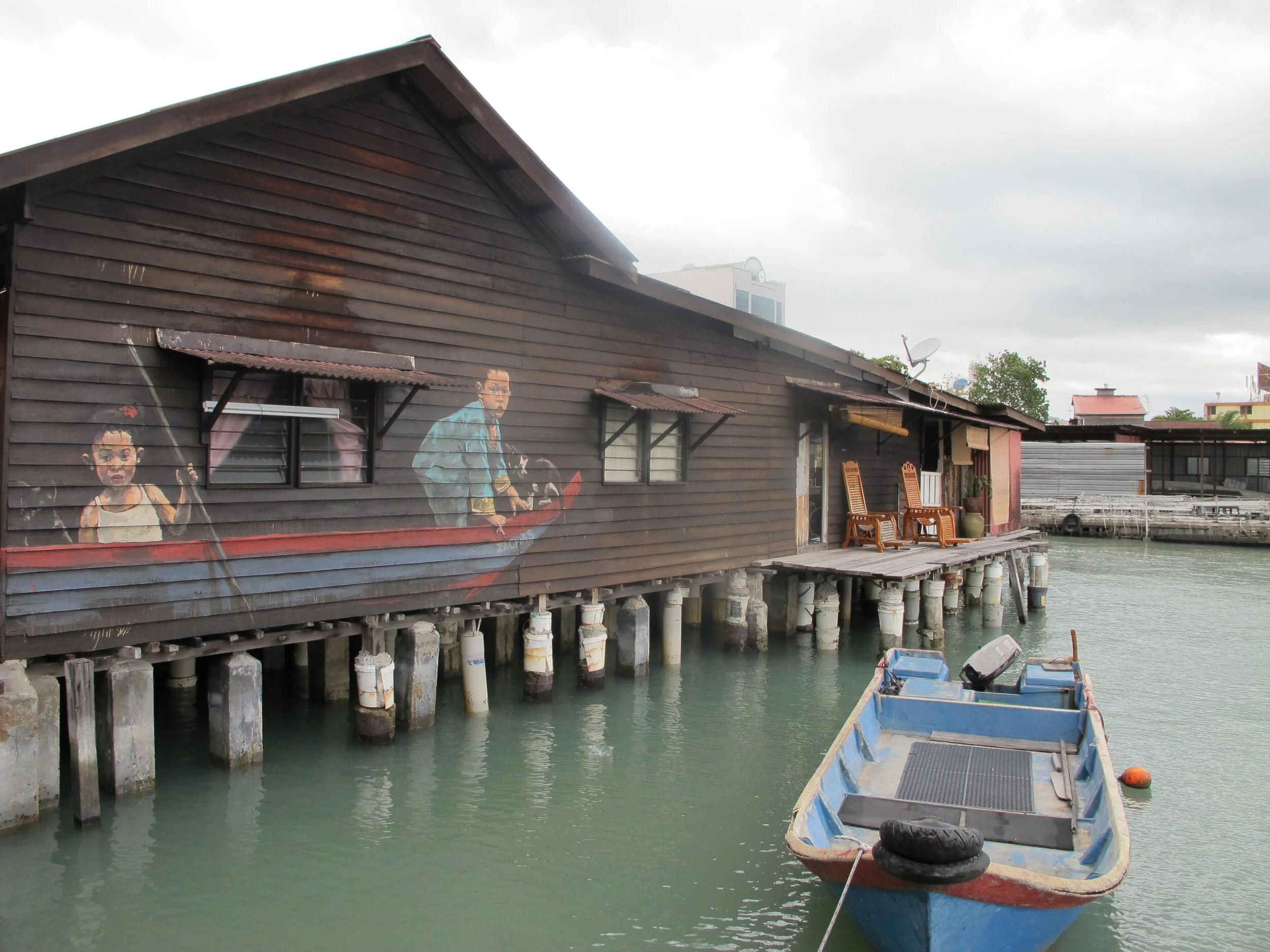
Chew Jetty (45 minutes): Explore this unique water-based residential community. Walk wooden boardwalks, observe traditional housing, respect resident privacy. This isn’t a museum; treat it as residential community.
5:00 PM – 7:00 PM: Sunset & Late-Afternoon Exploration

Using remaining daylight, explore secondary attractions based on energy levels and specific interests:
- Visit St George’s Church and surrounding colonial precinct
- Browse Armenian Street shops and galleries
- Relax at a heritage cafe with sunset views
- Complete any incomplete artistic exploration or photography objectives
7:00 PM – 10:00 PM: Evening Food & Atmosphere
Experience the nocturnal hawker transformation. Chulia Street Night Hawker Stalls or New Lane Evening Market activate with different vendors and energy. Try different dishes from your midday selections.
Later in the evening (9-10 PM), experience the social ambiance of George Town’s nightlife zones-Heritage Spice (restaurant), rooftop bars with city views, or simply wandering the quietened streets observing the city’s nighttime character.
2-Day Cultural & Culinary Intensive Itinerary
Day 1: Follow the 1-Day Whirlwind Itinerary with intentional pace modulation-fewer rushed moments, more lingering time in interesting spaces.
Evening of Day 1 Enhancement:
Book a Nyonya cooking class or heritage walking tour with local expertise. These immersive experiences transform surface-level observation into deeper cultural understanding. Tour companies operate evening sessions designed for tourists (approximately RM50-80, 2 hours). This transforms the evening from passive dinner into active cultural participation.
Day 2: Deeper Dives & Secondary Attractions
9:00 AM – 12:00 PM: Museum & Deeper Heritage Exploration
- Penang State Museum: Structured presentation of island history, architecture, and cultural development
- Cheong Fatt Tze Mansion detailed tour: Longer, property-specific explanation of Straits Chinese wealth and artistic sophistication
- Peranakan Museum (located in central George Town): Dedicated exploration of Nyonya/Straits Chinese cultural distinctiveness
12:00 PM – 2:00 PM: Ayer Itam Morning Market (if not completed Day 1)
Take Rapid Penang bus (Route 1) to experience market procurement culture. Return via bus for afternoon continuity.
2:00 PM – 5:00 PM: Culinary Deep Dive
Experience a food-focused guided tour. Companies like these specialize in street food exploration with educational context-vendors explain dishes, cooking processes, and cultural origins. Tours (typically 3-4 hours, RM80-120) combine hawker stall visits with historical narrative.
Alternative approach: Visit Pinang Peranakan Mansion for guided tour emphasizing Nyonya cultural product, followed by specialized Nyonya restaurant dinner.
5:00 PM – 8:00 PM: Secondary Neighborhoods
Explore less-touristed areas based on interest:
- Little India: Spice shops, vibrant atmosphere, temples, Indian restaurants and specialty shops
- Malay Quarter: Historic mosques, traditional shophouses, quieter residential character
- Specific hawker centers not yet visited (Georgetown Food Street, Swatow Lane)
Evening: Specialty restaurant dinner emphasizing cuisine type not fully explored (upscale Nyonya, fusion interpretations, specific regional Malaysian cuisines).
3-Day Deep Cultural & Regional Exploration
Days 1 & 2: Follow the 2-Day Intensive Itinerary.
Day 3: Beyond George Town Expansion
Morning Option A: Kek Lok Si Temple & Penang Hill
Kek Lok Si Temple (Ayer Itam) requires 3-4 hours minimum. The temple itself is extraordinary-one of Southeast Asia’s largest Buddhist structures. Climb to the pagoda summit (7-story structure) for panoramic views. Include prayer hall observations.
Penang Hill (optional extension): Cable car to the summit provides colonial-era rest house, botanical gardens, and island-panorama views. Accessible via cable car directly from Ayer Itam or via guided tours.
Morning Option B: Balik Pulau & Eastern Shore
Experience the island’s quieter eastern coast. Balik Pulau village offers:
- Beach access (though George Town’s beaches aren’t swimming-ideal due to limited sand)
- Local restaurants emphasizing seafood and traditional Malay cuisine
- Distinctly less-touristed atmosphere
- Fruit orchards and agricultural landscapes
Afternoon Activity Options:
- Ferry excursion to Butterworth: Cross to mainland Malaysia, explore colonial-era railroad infrastructure, visit mainland temples, experience Malaysian interior landscape
- Return to George Town for reflection: Spend final afternoon hours at favorite cafes, revisiting favorite hawker stalls, completing shopping objectives
- Organized full-day tour: Some tour companies offer comprehensive island experiences including Kek Lok Si Temple, Penang Hill, and peripheral attractions
Evening & Final Night:
Farewell dinner at restaurant matching your culinary preferences-either returning to a beloved hawker stall or exploring a specialty restaurant not yet experienced. Many visitors use final evenings for specialty restaurant experiences (upscale Nyonya, modern fusion interpretations, specific regional Malaysian cuisines).
Extended Stays: 1-2 Week Deep Immersion
For longer visits, consider neighborhood rotation strategies:
Week 1:
- Days 1-2: Core heritage zone intensive exploration
- Days 3-4: Beyond George Town excursions (Kek Lok Si Temple, Penang Hill, Balik Pulau)
- Days 5-6: Neighborhood rotation (Little India, Malay Quarter, artsy Armenian Street focus days)
- Day 7: Reflection and revisiting favorites
Week 2:
- Multiple repeat visits to favorite hawker stalls, developing vendor relationships
- Deeper exploration of specific cultural interests (temple worship participation, artisan workshops, cooking classes)
- Travel to peripheral island locations (Batu Ferringhi beaches, temple sites)
- Residential-neighborhood experience-living as local rather than tourist
Best Time to Visit: Weather & Crowd Considerations
Seasonal Patterns:
George Town’s tropical climate means warmth and humidity year-round. However, seasonal variations affect comfort and crowd levels:
December – February: Dry Season (Peak Tourist Season)
- Advantages: Comfortable weather (less rain), ideal outdoor exploration conditions
- Disadvantages: Maximum crowds, highest prices (hotel rates surge 20-40%), full accommodation occupancy (reaching 90-100% during December holidays)
- Recommendation: Book 3-6 months in advance; travel early in the month if possible
March – May: Pre-Monsoon Shoulder Season
- Advantages: Still relatively comfortable, crowds diminishing, hotel rates moderate
- Disadvantages: Heat intensifies, occasional thunderstorms
- Recommendation: Ideal for budget-conscious travelers; expect fewer fellow tourists
June – August: Southwest Monsoon (Low Season)
- Advantages: Minimal crowds, negotiable hotel rates, authentic local experience
- Disadvantages: Heavy rain periods (typically late afternoon), high humidity
- Recommendation: Accept weather unpredictability; offset with lower costs and minimal tourist saturation
September – November: Recovering Season
- Advantages: Rain decreases, crowds remain moderate, prices still reasonable
- Disadvantages: Heat high, occasional typhoon impacts
- Recommendation: Excellent value; travel September-early October for optimal conditions
February-March & September-October: Optimal times combining reasonable weather, moderate crowds, and value pricing.
Essential Pre-Trip Preparation Checklist
3 Months Before:
- Research accommodation options; book heritage hotels immediately for peak-season travel
- Purchase airline tickets (earlier booking ensures better rates)
- Arrange necessary visas (if applicable to your nationality)
- Research specific attractions, tours, and experiences available
1 Month Before:
- Book accommodation for remaining periods
- Make restaurant reservations if targeting specific specialty restaurants
- Research guided tour companies; book cultural experiences in advance
- Download relevant apps (Google Maps, Grab, Rapid Penang, Moovit)
- Research current public transport fares and schedules
2 Weeks Before:
- Confirm all reservations (accommodation, tours, restaurants)
- Create provisional itinerary based on interests and research
- Check currency exchange rates
- Inform your bank of travel dates (fraud prevention)
- Review travel insurance and emergency contact information
1 Week Before:
- Pack strategically (comfortable walking shoes, lightweight clothing, sun protection)
- Charge all electronic devices
- Download offline Google Maps of George Town
- Ensure travel documents (passport, visas, insurance papers) are organized
Upon Arrival:
- Purchase local SIM card for data connectivity
- Exchange currency or identify ATM locations
- Obtain transport maps from hotels, KOMTAR terminal, or via apps
- Establish comfortable walking routes from your accommodation
Part 7: Practical Essentials & Cultural Guidelines
Currency, Language & Communication
Malaysian Ringgit (MYR) & Currency Management:
The official currency is the Malaysian Ringgit. Current exchange rates typically range from 1 USD = 4.2-4.5 MYR. Strategic currency management:
- ATMs: Widely available throughout George Town and Penang; withdraw MYR rather than converting abroad
- Credit cards: Accepted in most hotels, restaurants, and larger shops; less reliable in hawker centers
- Hawker center economics: Bring MYR cash for street food (small bills reduce change issues)
- Currency exchange: Airport and bank rates are optimal; avoid money changers offering “special rates”
Language Considerations:
Bahasa Melayu is Malaysia’s official language, but English is widely understood and spoken:
- Heritage sites & major attractions: Signage and staff communication in English
- Hawker stalls: Communication may require pointing, numbers, or basic translation apps
- Street interactions: Younger Malaysians speak excellent English; older individuals may have limited English proficiency
- Helpful technology: Google Translate app functions effectively for written communication and menu translation
Connectivity & Communication:
- Mobile data: Purchase local SIM cards (RM10-30 for 2-4GB data packages lasting 1-2 weeks)
- Wi-Fi: Readily available in hotels, cafes, and shopping centers
- WhatsApp/messaging apps: Easier than SMS for contacting locals or businesses
- Trip coordination: Many hotels, tour companies, and restaurants use WhatsApp for reservations and inquiries
Respecting Local Customs & Cultural Sensitivity
George Town’s multicultural heritage requires cultural awareness and respect:
Religious Site Protocol:
- Temples: Remove shoes before entering prayer areas; don’t photograph during active worship
- Mosques: Non-Muslims typically shouldn’t enter prayer areas during prayer times; women should cover arms and legs
- Photography ethics: Always ask permission before photographing worshippers or religious ceremonies
- Dress codes: Dress modestly (covered shoulders and knees) when visiting religious sites
Residential Area Considerations:
- Clan Jetties: Treat as residential communities, not theme parks; respect privacy
- Street photography: Ask before photographing residents; many locals resent being photographed without consent
- Noise awareness: Maintain reasonable volume, particularly in residential areas
Commercial Interaction Norms:
- Bargaining: Not standard in established restaurants or hotels; some street markets and vendor stalls may negotiate
- Tipping: Not culturally expected in Malaysia; round-up or 5-10% is appreciated but not obligatory
- Business cards: Exchange cards with both hands as a sign of respect
- Social interaction: Malaysians generally appreciate friendly engagement; learn basic Malay phrases (“terima kasih” = thank you, “sama-sama” = you’re welcome)
Health, Safety & Practical Considerations
Tropical Climate Management:
- Hydration: Drink water constantly-tropical heat and humidity cause rapid dehydration
- Sun protection: Use SPF 50+ sunscreen daily; reapply after sweating or water exposure
- Heat exhaustion awareness: Recognize symptoms (dizziness, nausea, extreme fatigue); rest in air-conditioned spaces if affected
- Insect considerations: Dengue fever and other mosquito-borne illnesses are present; use insect repellent (DEET-based), particularly in cooler hours (dawn, dusk)
Food Safety & Digestive Wellness:
- Hawker stall selection: Choose busy stalls with visible customer turnover and food preparation standards
- Digestive adjustment period: Your GI system may require 2-3 days to adapt to new bacterial flora; patience and moderation help this transition
- Water consumption: Drink bottled or sealed beverages only
- Over-the-counter medications: Carry antacid and anti-diarrheal medications as precautions
Personal Safety & Security:
George Town is remarkably safe for international travelers. Standard urban precautions apply:
- Valuables: Don’t display expensive jewelry, cameras, or cash excessively
- Street awareness: Remain attentive to surroundings, particularly in crowded markets
- Late-night movement: Traveling alone late at night (post-midnight) isn’t recommended; use Grab or taxis for return journeys
- Official documentation: Carry passport copies rather than originals; store originals in hotel safes
Health Precautions:
- Travel insurance: Essential; ensure coverage includes medical evacuation and illness
- Pre-trip vaccinations: Consult your physician regarding yellow fever, typhoid, and hepatitis vaccinations (recommendations vary by origin country)
- Medical facilities: George Town has excellent private hospitals (Lam Wah Ee, Penang Adventist Hospital) if medical care is needed
- Medication continuance: If taking prescription medications, bring sufficient supply (declare at customs if entering Malaysia)
Frequently Asked Questions: Everything You Need to Know About George Town, Penang
General Trip Planning Questions
Q: How long should I spend in George Town to experience it properly?
A: Minimum 2-3 days allows meaningful engagement with heritage sites, hawker culture, and neighborhoods. Four to five days provides excellent balance between structured exploration and spontaneous discovery. One to two weeks enables deep cultural immersion, neighborhood familiarity, and peripheral attraction visitation. First-time visitors typically find 3-4 days optimal.
Q: What’s the best time to visit George Town?
A: December-February offers dry weather and peak tourism (accompanying higher prices and crowds). March-May and September-November provide excellent weather balance, moderate crowds, and better pricing. June-August represents monsoon season with rain and low crowds. February-March and September-October are optimal value periods.
Q: How much should I budget daily for George Town?
A: Budget varies significantly by travel style. Budget travelers (hostels, hawker food, public transit): RM60-100 ($15-25 USD) daily. Mid-range travelers (boutique hotels, specialty restaurants, organized tours): RM150-300 ($35-75 USD) daily. Luxury travelers (heritage hotels, upscale restaurants, private guides): RM400+ ($100+ USD) daily. Street food, public transport, and many attractions are exceptionally affordable.
Q: Do I need to book accommodation in advance?
A: Peak season (December, July-August): Essential-book 3-6 months ahead. Heritage hotels often fully booked even earlier. Shoulder season (April-May, September-October): Recommended 4-8 weeks advance. Low season (June, November): Possible without advance booking, though choice diminishes. Early booking provides rate advantages regardless of season.
Q: What documents do I need to enter Malaysia?
A: Passport (valid 6+ months beyond travel dates) is essential. Visa requirements depend on your nationality-many countries enjoy 90-day visa-free entry. Consult your nearest Malaysian embassy for specific requirements. Travel insurance is highly recommended though not required.
Heritage & Culture Questions
Q: What is the UNESCO World Heritage Site designation exactly?
A: In 2008, the George Town UNESCO World Heritage Site was recognized for its outstanding multicultural urban heritage, preserved architecture blending Eastern and Western influences, and living cultural traditions. The designation acknowledges George Town’s exceptional testimony to Asian trade history and multicultural coexistence. Unlike many heritage sites frozen in time, George Town continues as an active, evolving community.
Q: Can non-Muslims visit mosques like Kapitan Keling Mosque?
A: Generally yes, though etiquette applies. Non-Muslims shouldn’t enter prayer areas during active prayer times (five daily Islamic prayer periods, particularly Friday midday prayers). When visiting outside prayer times, dress modestly (covered shoulders, knees), remove shoes before entering, and respect ongoing prayers. Many mosques have designated visitor areas. Call ahead to confirm visiting hours.
Q: How long should I spend at Khoo Kongsi clan house?
A: 45 minutes to 1.5 hours depending on engagement level. Structured tours (available through Khoo Kongsi administration or tour companies) provide historical context, taking approximately 1.5 hours. Self-guided exploration takes 45-60 minutes. The intricate architectural details and historical significance reward patient observation.
Q: Is Chew Jetty safe to visit? Should I be concerned about privacy issues with residents?
A: Chew Jetty is entirely safe. The resident community welcomes respectful visitors. Privacy concerns are minimal if you follow basic guidelines: don’t photograph residents without permission, avoid loud conversations, don’t block pathways with photography sessions, and treat the jetty as a residential area rather than a theme park. Daytime visits (9 AM-5 PM) are ideal.
Q: What’s the difference between Nyonya and Peranakan culture?
A: These terms largely overlap in usage. Peranakan refers to people of mixed ancestry (typically Chinese-Malay or Chinese-Indian descent) born in the region. Nyonya specifically refers to Peranakan women (the male equivalent is “Baba”). Peranakan culture encompasses the distinctive cultural synthesis of Chinese traditions with Southeast Asian influences-visible in cuisine, architecture, clothing, and family structures. The Pinang Peranakan Mansion and Nyonya Kuehs (traditional desserts) exemplify this cultural expression.
Q: Can I take photographs of religious ceremonies or processions?
A: Photography varies by site and situation. Approach with respect: Always ask permission before photographing people during worship. Many temples and mosques permit photography in common areas but prohibit it in prayer spaces. Festival processions generally permit photography, though some worshippers may object to being photographed. Respect all declined permission requests. During sensitive ceremonies, photographic intrusion disrupts the spiritual experience-consider experiencing the moment without a camera.
Q: What guided tours would you recommend for heritage exploration?
A: Heritage walking tours led by knowledgeable locals provide contextualized understanding of architecture, history, and culture. Several operators specialize in different themes (colonial history, street art, Peranakan culture, temple exploration, food-focused tours). Google Maps can help identify current tour companies; hotel staff often provide recommendations. Tours typically cost RM50-150 ($12-35 USD) for 2-4 hour experiences.
Culinary Questions
Q: How can I eat street food safely without getting sick?
A: Risk is lower than many assume. Choose busy stalls (indicating fresh ingredients and rapid turnover), observe food preparation hygiene, select cooked-to-order dishes served hot, drink bottled beverages only, and start conservatively if your digestive system is unfamiliar with tropical cuisines. Most illness results from tap water, not hawker food. Travelers report surprisingly low gastrointestinal issues following basic precautions.
Q: What’s the difference between Assam Laksa and Penang Curry Mee?
A: Assam Laksa is sour/tangy, based on fish broth with tamarind and lemongrass, lighter and more acidic. Penang Curry Mee is rich, coconut-milk-based, with intense spice and curry flavors. Assam Laksa emphasizes brightness and acid balance; Curry Mee emphasizes richness and spice depth. Both are Penang specialties but represent different culinary traditions.
Q: Where can I find the best Char Koay Teow in George Town?
A: Gurney Drive Hawker Center is internationally renowned for Char Koay Teow excellence, though quality versions appear throughout George Town. The key factor is a stall with significant customer volume (ensuring ingredient freshness and technique consistency). Look for woks positioned directly over charcoal heat-this produces the characteristic “wok hei” (smoky breath). Several stalls at Gurney Drive achieve this perfection; try multiple vendors to identify personal preferences.
Q: Are there vegetarian/vegan options in George Town’s food culture?
A: Yes, though perhaps less prominently featured than meat-based dishes. Vegetarian hawker dishes include: vegetable stir-fried noodles, vegetable fried rice, various curry options (inquire about vegetable-only preparations), roti canai with vegetable curry, and numerous Nyonya Kuehs (vegetable-based desserts). Buddhist temples often operate vegetarian restaurants. Specialty restaurants increasingly offer comprehensive vegetarian menus. Communication about dietary restrictions is important.
Q: Can I take a cooking class to learn traditional George Town dishes?
A: Yes-multiple companies offer Nyonya cooking classes (typically RM80-150, 3-4 hours). Classes usually include market shopping, ingredient explanation, and hands-on cooking. Some incorporate traditional herb knowledge and cultural context. Book through your hotel or directly with tour operators. These experiences provide culinary knowledge and intimate cultural insight beyond passive eating.
Q: How much should I budget for daily food?
A: Hawker stalls: RM8-15 ($2-4 USD) per meal; reasonable daily food budget is RM40-50 ($10-12 USD). Specialty restaurants: RM30-80 ($7-20 USD) per meal. Heritage cafes: RM15-30 ($4-8 USD) per item. Most travelers find food costs remarkably affordable, allowing frequent specialty restaurant experiences alongside hawker dining.
Accommodation Questions
Q: Should I stay in the heritage zone or elsewhere?
A: Heritage zone advantages: Walking distance to major attractions, authentic atmosphere, street food accessibility, heritage architecture experience. Disadvantages: Higher noise levels (street activity until late evening), tourist-focused commercialization, potential accommodation premium pricing. Heritage zone is optimal for first-time visitors and those prioritizing convenience. Quieter neighborhoods offer more local character but require transit to reach attractions.
Q: What’s the difference between heritage hotels and boutique hotels?
A: Heritage hotels occupy historically significant buildings (colonial mansions, clan houses, traditional shophouses), featuring period furniture and architectural details. Amenities may be more limited; character is maximized. Boutique hotels feature contemporary design with possible heritage aesthetic references, modern amenities, and professional service standards. Heritage hotels provide immersion in historical architecture; boutique hotels provide modern comfort with style.
Q: Are hostels in George Town safe and clean?
A: Yes-George Town’s hostels maintain high standards compared to Southeast Asian averages. Verify via recent reviews on established booking platforms. Dormitory safety is good; secure lockers are standard. Cleanliness is generally excellent, particularly in properties occupying restored heritage shophouses. Read reviews specifically mentioning cleanliness and staff helpfulness before booking.
Q: How far in advance should I book heritage hotels?
A: Peak season (December, July-August): 3-6 months minimum. Shoulder season: 4-8 weeks. Low season: 2-4 weeks. Popular heritage properties (Cheong Fatt Tze Mansion, Eastern & Oriental) often fully booked well in advance. Early booking provides rate advantages and ensures room availability.
Q: What are typical room rates for different accommodation categories?
A: Heritage hotels (The E&O): RM250-600 ($60-150 USD) nightly. Boutique hotels: RM120-250 ($30-60 USD) nightly. Budget hotels/guesthouses: RM50-120 ($12-30 USD) nightly. Hostels: RM25-60 ($6-15 USD) dormitory beds; private rooms RM60-150 ($15-35 USD). Rates vary seasonally (December-January premium pricing, June-November discounts).
Transportation & Navigation Questions
Q: How do I get from Penang International Airport to George Town?
A: Ride-sharing (Grab): RM35-50, 45-60 minutes, most convenient option. Taxi: RM50-60 flat rate (metered taxis vary; use meter). Rapid Penang bus: RM4-6, 60-90 minutes, most economical. Private transfer services: RM50-80, 45-55 minutes, premium option. First-time visitors typically prefer Grab for transparency and convenience.
Q: Is public transport reliable and easy to use?
A: Yes-Rapid Penang buses provide extensive coverage, frequent service, and rock-bottom pricing (RM2-5 typical routes). Buses are clean and reasonably punctual. Navigation requires route familiarity (maps available via app or terminals), but staff assist uncertain travelers. The only challenge is determining exact bus stop locations for specific routes; planning in advance via Google Maps or Moovit app eliminates this issue.
Q: Can I rent a car to explore George Town?
A: Yes, though not recommended for most visitors. Penang has 2.67 million registered vehicles (October 2024 data); traffic congestion is significant, parking is challenging in the heritage zone, and narrow streets make navigation difficult. Public transport, walking, and ride-sharing (Grab) provide better experiences. International Driving Permit is required for car rentals.
Q: What’s the ferry service from Butterworth to George Town like?
A: The ferry service connects Butterworth (mainland) to Raja Tun Uda Terminal (George Town) efficiently. Service runs every 15-30 minutes, 5 AM-midnight. Cost is minimal (RM4/$1 USD typical). The 20-minute crossing provides scenic waterfront views. Ferries are clean, reliable, and cultural-experience worthy. Consider the ferry as both transportation and sightseeing opportunity.
Q: How do I get to Kek Lok Si Temple from George Town?
A: Rapid Penang buses (Routes 1, 2, or 8) reach Ayer Itam (temple location) in 45-60 minutes for RM3-4. Grab ride-sharing: RM15-20, 30-40 minutes. Organized tours: Some hotels arrange transportation. The temple sits on a hillside; budget 1-2 hours climbing stairs to reach the pagoda summit and explore prayer halls.
Q: Is it safe to use Grab (ride-sharing) in George Town?
A: Yes-Grab is Malaysia’s dominant ride-sharing platform with excellent safety reputation. Drivers are vetted and rated; you have the driver’s identity and real-time vehicle tracking. Fares are transparent and fixed before journey commencement. Thousands of travelers use Grab daily without incident. Download the app, verify your driver information, and share your trip with friends if desired.
Q: How do I navigate George Town without speaking Malay?
A: English is widely understood, particularly among younger Malaysians and in tourist areas. Google Maps is your primary navigation tool (download offline maps). Google Translate handles written communication and menu translation. Pointing, numbers, and simple gestures work effectively for most transactions. Hotel staff assist with specific queries. Communication challenges are minimal; most visitors navigate successfully with basic English.
Practical & Miscellaneous Questions
Q: What should I pack for a George Town trip?
A: Essentials: Comfortable walking shoes (worn-in before arrival), lightweight breathable clothing, hat and sunglasses, SPF 50+ sunscreen, insect repellent (DEET-based), swimwear (beaches are nearby, though George Town’s beaches aren’t pristine), medications you take regularly, travel insurance documents. Technology: Portable phone charger, universal adapter (Malaysia uses Type G plugs-three rectangular sockets), phone for Google Maps and Grab. Clothing consideration: Pack modest clothing for religious site visits (covered shoulders and knees).
Q: How do I get cash if I forget to exchange currency?
A: ATMs are ubiquitous throughout George Town. Credit/debit card withdrawal incurs fees (typically 1-3%); research your bank’s international withdrawal terms before travel. Withdraw moderate amounts frequently rather than large lump sums. Alternatively, use Grab app or hotel reception to locate currency exchange services (avoid unofficial money changers offering “special rates”).
Q: Is George Town accessible for travelers with mobility limitations?
A: Partially. The heritage zone features uneven cobblestones, steep staircases (particularly for temple and clan house visitation), and limited wheelchair accessibility. However, major hotels have elevators, many restaurants are ground-floor accessible, and Grab ride-sharing provides door-to-door transportation. Specific attraction accessibility varies-contact locations directly before visiting. Careful planning can accommodate mobility considerations.
Q: What’s the internet situation like in George Town?
A: Excellent-Wi-Fi is available in virtually all hotels, cafes, and many public spaces. Mobile data is exceptionally affordable; purchase local SIM cards (RM10-30 for substantial data packages). Google Maps, Grab, Moovit, and other navigation tools function reliably. Upload speeds support video calls and social media. Connectivity is rarely a concern.
Q: Can I stay longer and explore Penang beyond George Town?
A: Absolutely. Penang Island offers Batu Ferringhi beaches, Kek Lok Si Temple, Penang Hill, rural areas like Balik Pulau, and numerous smaller temples. Rapid Penang buses connect these destinations. Extended stays (1-2 weeks) allow island exploration beyond George Town’s core heritage zone. Ferries connect to mainland Malaysia, enabling Kuala Lumpur or southern Thailand travel integration.
Q: Should I hire a private guide for my visit?
A: Optional. Self-guided exploration via Google Maps, this guide, and hotel recommendations works well for organized travelers. Group tours (heritage walking tours, food tours, temple tours) provide structured experiences and knowledgeable context at reasonable costs (RM50-150). Private guides offer personalization and flexibility but cost substantially more (RM200-400 daily). Choose based on learning preferences and budget.
Q: What local souvenirs should I purchase in George Town?
A: Nyonya Kuehs (traditional desserts), batik textiles, pewter items (Malaysia’s specialty), antique porcelain pieces, wooden handicrafts and teakwood furniture, traditional spices in bulk, local artwork (particularly from street artists), and specialty coffee from local roasters. Armenian Street shops, markets, and specialty stores offer authentic options. Avoid mass-produced tourist trinkets lacking cultural substance.
Q: Is George Town expensive compared to other Southeast Asian destinations?
A: George Town is exceptionally affordable, particularly for food and transport. Hawker meals cost RM8-15 ($2-4 USD); public buses cost RM2-5. Heritage hotel stays (RM100-250 nightly) cost less than comparable accommodations in Thailand or Vietnam. Major cities like Kuala Lumpur or Singapore are more expensive. George Town offers outstanding value, particularly for food-focused travelers.
Q: What are common scams to avoid in George Town?
A: George Town crime levels are low; scams are minimal. Standard precautions: avoid unofficial taxi agreements, don’t display excessive valuables, beware of unsolicited “friendly” strangers offering deals, verify tour operators through established channels. The travel community considers George Town exceptionally safe. Use standard urban awareness without excessive paranoia.
Q: Can I volunteer or contribute to communities during my stay?
A: Yes-various organizations facilitate community engagement. Language teaching, cultural exchange, environmental initiatives, and social projects accept volunteer involvement. Discuss opportunities with your hotel or tourism information center. Even short-term visitors contribute through supporting local businesses, respecting communities, and engaging authentically with residents.
Begin Your George Town Adventure
This comprehensive pillar page has equipped you with everything necessary to experience George Town, Penang at the deepest level. You understand the UNESCO World Heritage Site designation, the significance of colonial history under Captain Francis Light’s vision, and how contemporary movements (street art renaissance, heritage restoration, artsy Armenian Street transformation) revitalize centuries-old infrastructure.
You’ve explored George Town’s multicultural religious tapestry-from the distinctive onion dome of Kapitan Keling Mosque to the intricate craftsmanship of the Goddess of Mercy Temple to the unique clan house architecture exemplified by Khoo Kongsi. You understand the living heritage of the Clan Jetties and respect necessary for authentic community engagement.
The culinary landscape no longer mystifies-you know the distinction between Assam Laksa’s tangy intensity, Penang Curry Mee’s rich coconut foundation, the smoky expertise of Char Koay Teow, and the cultural significance of Nyonya Kuehs representing Straits Chinese synthesis. You’re equipped with hawker stall selection strategies, food safety guidelines, and enthusiasm for culinary exploration.
Accommodation choices align with your budget and preferences-whether immersive heritage hotels, stylish boutique properties, or social budget hostels. Transportation navigation is demystified through understanding Rapid Penang buses, Grab ride-sharing, walking strategies, and ferry experiences.
You possess multiple itinerary frameworks (1-day whirlwind, 2-day cultural intensive, 3-day regional exploration, extended stays) adaptable to your duration and interests. Trip Planner guidance, Google Maps integration, and practical tips ensure smooth logistics. The FAQ section addresses virtually every consideration-cultural protocols, safety considerations, health precautions, and logistical specifics.
Your next step: Transform this knowledge into action. Begin with accommodation research matching your preferences and budget. Map your optimal travel timeframe balancing weather, crowds, and personal scheduling. Research specific attractions, restaurants, and experiences capturing your imagination. Create a provisional itinerary providing structure while preserving spontaneous discovery opportunity.
George Town awaits-a destination where centuries of history, multicultural harmony, extraordinary culinary traditions, and authentic human connection converge. The city reveals itself to curious, respectful travelers willing to embrace unfamiliar experiences and engage genuinely with communities.
Pack comfortable walking shoes, an empty stomach, open-minded curiosity, and respect for the living heritage you’ll encounter. George Town’s magic emerges not from guidebook compliance but from spontaneous discovery, repeat visits to beloved hawker stalls, conversations with residents and fellow travelers, and the quiet moments observing daily life in this remarkable city.
Your Georgetown, Penang adventure begins now.
Resource Directory
Transportation & Navigation
- Rapid Penang: www.rapidpenang.gov.my – Bus schedules, routes, real-time tracking
- Google Maps: Essential for navigation, offline capability critical
- Grab App: Ride-sharing, delivery services, loyalty programs
- Moovit/Transit Apps: Public transport planning and real-time updates
Accommodation Booking
- Primary platforms: Booking.com, Agoda, Airbnb, TripAdvisor
- Direct heritage property websites for best rates and information
Tourism Information
- Tourism Malaysia Official Website
- Penang Tourism Bureau
- Local hotel concierge services (most valuable information source)
Food & Dining
- Google Maps for restaurant discovery and current hours
- TripAdvisor for reviews and recommendations
- Local food blogs and social media communities
- Hotel staff recommendations (often current and accurate)
Guided Tours & Experiences
- Hotel concierge services for operator recommendations
- Google Maps search: “George Town tours,” “heritage walking tours,” “food tours”
- Social media platforms for current tour companies and reviews
- WhatsApp direct booking with tour companies
Emergency Contacts
- Tourist Police: +60 4-261 2522
- Emergency Services: 999
- Malaysian Embassy/Consulate (contact before travel for location nearest you)