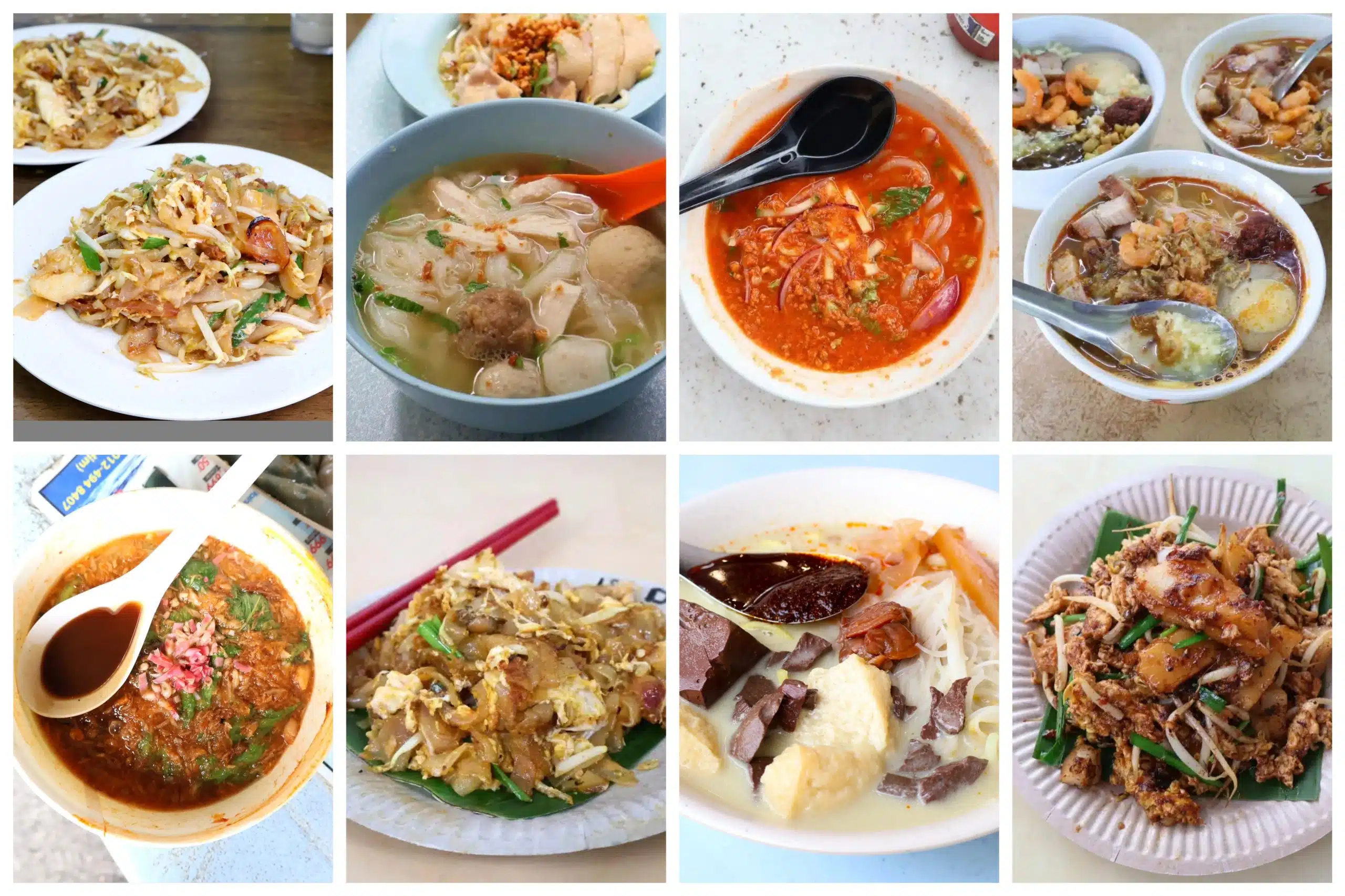
Georgetown, the UNESCO-listed heart of Penang, stands as Asia’s most vibrant food destination where centuries-old culinary traditions merge with innovative contemporary dining. This comprehensive guide reveals everything you need to know about the best restaurants in Georgetown Penang-from legendary street food stalls that have served the same dishes for generations to upscale establishments earning international recognition.
Why Georgetown Penang Is the Culinary Capital of Malaysia
Georgetown’s gastronomic supremacy stems from its unique position as a multicultural melting pot. The historic district blends Chinese, Indian, Thai, and Malay influences into a distinctive flavor profile that cannot be replicated elsewhere in Southeast Asia. With over 68 Michelin-recognized establishments and thousands of family-run eateries tucked into narrow lanes, the sheer density and quality of food options make Georgetown unparalleled.
The district’s colonial infrastructure and heritage buildings also serve as atmospheric backdrops for dining experiences that feel both timeless and contemporary. Walking through streets like Penang Road, Lebuh Chulia, and Kimberley Street, you’ll encounter restaurants that have maintained the same recipes for 40+ years alongside trendy fusion concepts that reinterpret traditional flavors.
Georgetown Penang’s Signature Dishes: What You Must Try
Understanding Georgetown’s signature dishes is essential before exploring specific restaurants. These dishes represent the soul of Penang’s food culture and define what makes the region globally recognized among food enthusiasts.
Char Koay Teow (Stir-Fried Flat Noodles)
Char Koay Teow represents Penang’s most iconic dish and arguably the benchmark for comparing restaurants throughout Georgetown. This seemingly simple preparation of flat rice noodles, soy sauce, prawns, Chinese sausage, bean sprouts, and egg becomes transcendent in skilled hands.
The technique separates mediocre from exceptional versions: proper char koay teow requires extremely high heat, rapid wok movement, and impeccable timing to achieve the perfect balance of caramelized edges while maintaining tender centers. Top establishments like Penang Road Famous and Awesome Char Koay Teow have built their entire reputations on mastering this single dish, often with queues extending down the street during peak hours.
The best char koay teow in Georgetown delivers smoky, wok-seasoned rice noodles with crispy edges, succulent prawns, perfectly cooked egg, and aromatic Chinese sausage, all unified by a subtle layer of caramelization. The modern standard includes bean sprouts for texture and sweetness balance.
Penang Assam Laksa (Tamarind-Based Noodle Soup)
Assam Laksa showcases Penang’s mastery of complex broth development. This iconic noodle soup combines thick, tangy tamarind-based broth with rice noodles, mackerel fish, and topped with fresh garnishes including cucumber, pineapple, onion, and chili. The broth’s complexity requires hours of simmering fish bones, dried chilies, galangal, shallots, and tamarind paste.
What distinguishes exceptional Assam Laksa from standard versions is the depth of fish flavor balanced with aggressive sourness that cleanses the palate. Penang Road Famous Laksa maintains exacting standards for both the broth and presentation, ensuring consistency across their multiple locations.
Koay Teow Th’ng (Clear Noodle Soup)
Koay Teow Th’ng offers a lighter counterpoint to Assam Laksa-a clear, delicate broth version featuring rice noodles, fish cake, offal, and aromatic toppings. This dish exemplifies the Teochew culinary heritage dominant in Georgetown’s Old Town district.
The complexity lies in the broth, which should taste like concentrated essence of pork and fish rather than a generic seafood stock. Top establishments like Lum Lai Duck Meat Koay Teow elevate this dish by incorporating premium offal selections and executing perfect timing to maintain texture in the noodles.
Curry Mee (Malaysian Coconut-Based Noodle Curry)
Curry Mee represents the multicultural synthesis at Georgetown’s heart-a coconut-based curry broth incorporating yellow noodles and rice vermicelli, topped with tofu, bean sprouts, and hard-boiled egg. The curry paste’s individual spice preparation determines whether a version tastes vibrant or muddled.
Authentic versions balance coconut richness with aromatic spicing (turmeric, lemongrass, galangal) and a grounding chili heat. The best Georgetown curry mee achieves what competitors cannot: simultaneous depth, brightness, and balanced complexity within a single bowl.
Hokkien Hae Mee (Prawn and Egg Noodle Stir-Fry)
This Hokkien specialty combines egg noodles, prawn broth, crispy fried shallots, and fresh prawns into a dish that demands premium ingredient quality. The broth-soaked noodles should taste of concentrated seafood essence rather than generic soy-based seasoning.
The Best Restaurants in Georgetown Penang by Category
Legendary Street Food Institutions
These establishments have built their reputations over 30+ years through consistency, ingredient quality, and culinary mastery of a single or handful of signature dishes.
Penang Road Famous Laksa
Operating since the 1990s, Penang Road Famous has become the benchmark for Assam Laksa throughout Penang and Malaysia. Their distinct approach emphasizes a particularly potent tamarind-forward broth that maintains subtle fish undertones without overwhelming fishiness. The fish cake slices exhibit superior texture, and the broth temperature remains consistently hot despite high-volume service.
The restaurant’s success stems from daily broth preparation beginning before dawn, sourcing specific tamarind paste varieties, and maintaining ingredient consistency that lesser competitors cannot replicate. Their second location on Penang Road serves the same exacting standards as the original.
Awesome Char Koay Teow
This modest street stall has achieved legendary status through singular focus on perfecting char koay teow. The operation runs during limited hours (typically morning through early afternoon), creating artificial scarcity that builds reputation and ensures peak ingredient freshness.
Their technique emphasizes extremely high heat that creates the distinctive char flavor that separates Georgetown’s best from adequate versions. Each plate demonstrates remarkable consistency-noodle texture, protein distribution, and flavor balance remain virtually identical whether you order first in the morning or during the rush.
Lum Lai Duck Meat Koay Teow Th’ng
This historic establishment serves as the definitive source for Koay Teow Th’ng with duck meat variations. Their approach adds premium duck selections beyond standard offerings, elevating a traditionally working-class dish into refined preparation.
The broth exhibits clarity while maintaining depth-a difficult balance requiring restraint in seasoning and patience in execution. The duck meat selection (liver, heart, and intestines) rotates based on daily availability, offering repeat customers discovery on subsequent visits.
888 Hokkien Mee
This family-run establishment represents the gold standard for Hokkien Hae Mee in Georgetown. Their prawn broth simmers continuously, requiring absolute rigor in stock maintenance and ingredient freshness. The dish arrives with perfectly cooked egg, crispy fried shallots, and prawns that taste of the sea rather than freezer staleness.
The waiting list during peak hours reflects the restaurant’s reputation-customers routinely wait 30-45 minutes despite multiple seating rotations.
Premium Dining Establishments
These restaurants blend traditional technique with contemporary presentation and service standards, serving customers seeking elevated experiences without sacrificing authenticity.
Kebaya Dining Room
Located within the historically restored Pinang Peranakan Mansion, Kebaya offers fine dining iteration of Nyonya (Peranakan) cuisine in an atmospheric heritage setting. Their menu combines historical recipes with refined plating and wine pairings that enhance rather than overshadow traditional flavors.
The interior preserves period details from the mansion’s original 1894 construction, creating immersive dining environment. Signature dishes like rendang and laksa arrive as elevated interpretations maintaining essential flavor character while incorporating contemporary presentation techniques.
China House
Operating within a preserved Chinese shophouse in Georgetown’s historic core, China House represents contemporary fine dining that honors traditional Penang-Hokkien cuisine. Their interior renovation maintains structural heritage while introducing modern design sensibilities that appeal to both local and international diners.
The menu features refined versions of Georgetown street food classics alongside creative seasonal preparations. Their dim sum selection demonstrates technical mastery, with each piece exhibiting exceptional wrapper delicacy and filling balance.
Communal Table by Gen
This establishment emphasizes contemporary Asian cuisine using regional ingredient sourcing and technique innovation. The menu rotates seasonally based on ingredient availability, ensuring freshness and maintaining chef creativity.
The communal dining approach encourages group experiences and exploration of diverse preparations, making it ideal for multi-course progressive dining experiences that showcase Georgetown’s ingredient diversity.
Casual Fine Dining & Contemporary Concepts
These venues balance refined culinary technique with approachable service and casual-elegant atmospheres, serving customers seeking modernity without pretension.
Hygge Dining & Bar
This Scandinavian-influenced establishment introduces non-Asian culinary perspectives within Georgetown’s historic context. The concept emphasizes simplicity, ingredient quality, and intentional design-principles termed “hygge” in Nordic cultures.
The menu incorporates local produce into unfamiliar preparations, creating dialogue between Georgetown’s market abundance and European cooking traditions. The wine and craft beverage selection elevates the casual dining experience.
Sood by Chef Ton
Chef Ton’s modern Asian concept reimagines traditional flavors through molecular gastronomy and contemporary plating without sacrificing essential taste characteristics. His menu demonstrates technical mastery while maintaining accessibility-dishes taste innovative yet familiar.
The intimate 12-seat format creates personalized dining experiences where the chef controls pacing and can respond to individual preferences.
Pinxin Vegan
This progressive plant-based establishment demonstrates that contemporary vegan cuisine can achieve complexity and satisfaction rivaling meat-based preparations. Their approach sources Georgetown’s markets for seasonal vegetables and develops traditional flavor-building techniques using vegetable stocks and fermented preparations.
The restaurant attracts both dedicated vegetarians and curious omnivores seeking to understand how plants alone can sustain genuinely exciting dining experiences.
Hidden Gems & Neighborhood Favorites
These establishments maintain modest profiles despite exceptional quality, offering discovery opportunities for adventurous diners willing to venture beyond primary tourist routes.
Hon Kei Food Corner (汉记小食店)
This unassuming stall hidden in Georgetown’s back lanes serves exceptional char siu (roasted pork), soy chicken, and roasted duck with remarkable consistency. The roasting technique develops caramelized exterior while maintaining tender, juicy interior.
Their breakfast service offers superior congee alongside freshly roasted meats, creating combination experiences that local Georgetown residents prioritize over larger tourist establishments.
Woong Kee Beancurd (旺记祖傳豆花)
This historic stall specializes in fresh beancurd (tofu) preparations including silken tofu with ginger syrup and beancurd with savory toppings. The beancurd texture indicates daily fresh production rather than wholesale supply relationships.
The simplicity of their preparation belies the technical skill required to achieve perfect delicacy-their beancurd practically dissolves on the tongue while maintaining structural integrity.
Ming Xiang Tai Pastry
This bakery-café hybrid combines traditional dim sum dim sums with contemporary pastry preparations and specialty coffee. Their salty egg pastries and pineapple cakes use traditional formulations with refined execution, creating gift-worthy versions of mass-produced alternatives.
The café environment positions this as suitable for multiple dayparts-breakfast coffee and pastry, mid-day dim sum, or afternoon tea and cakes.
Michelin-Recognized Establishments
Georgetown’s UNESCO World Heritage status combined with culinary excellence attracted the Michelin Guide’s 2023 Malaysia edition expansion, recognizing over 68 establishments across various categories.
Du-An (Lebuh Pantai)
This Michelin-recognized establishment sits at the intersection of French technique and Southeast Asian ingredient sourcing. The intimate 16-seat format enforces singular focus on each service, allowing the chef to maintain exacting standards despite limited capacity.
Their tasting menu format creates narrative progression through seasonal ingredients, demonstrating how French classical technique can amplify rather than obscure Southeast Asian flavors.
Mish Mash
This craft cocktail bar and small plates restaurant emphasizes ingredient quality and technique sophistication across both liquor and food components. The menu changes seasonally, with both cocktails and plates designed to complement each other within intentional flavor progressions.
The bar represents Georgetown’s evolution beyond pure food focus toward integrated beverage and culinary experience design.
Next Door
Operating adjacent to a heritage furniture workshop, Next Door creates experiential dining that contextualizes Georgetown’s artisanal heritage. Their menu emphasizes nose-to-tail and whole-animal utilization, reflecting sustainability principles and traditional preservation techniques.
Street Food Night Markets
Georgetown’s night markets offer controlled environments for sampling diverse street food offerings within single locations, ideal for visitors seeking breadth of experience without extensive reconnaissance.
Kimberley Street Food Night Market
This organized food market clusters independent street vendors offering representative Georgetown cuisines-char koay teow, laksa, curry noodles, roasted meats, and desserts. The market environment allows comparative sampling across vendor interpretations of standard dishes.
The market operates during evening hours, creating social gathering atmosphere while accommodating working professionals seeking dinner after business hours. Seating areas accommodate groups and families navigating multiple courses.
Chulia Street Night Market (Seasonal)
This historical street food market features longer-operating vendors with multi-generational histories. The market reflects Georgetown’s actual neighborhood commerce pattern rather than touristified presentation.
Chulia Street’s compressed geography creates unavoidable human interaction and food discovery-navigating the market requires engagement with vendors and cross-table conversations with other diners creating serendipitous recommendations and flavor discoveries.
Regional Specialty Cuisines in Georgetown
Nyonya (Peranakan) Cuisine
Nyonya cuisine emerged from the cultural synthesis between Chinese merchants and Malay populations across the Straits of Malacca, creating distinct flavor profiles found nowhere else in Southeast Asia. Georgetown’s Peranakan heritage makes it the definitive global source for authentic Nyonya preparations.
Key Nyonya dishes include rendang (spiced meat paste), kuih (pastries and desserts), and laksa (coconut-based noodle soups). The cuisine emphasizes complex spice paste development, labor-intensive preparation techniques, and ingredient combinations that create depth impossible to achieve through simple seasoning.
Establishments like Kebaya Dining Room and Ivy’s Nyonya Cuisine maintain traditional preparation methods despite contemporary service environments, ensuring flavor authenticity while meeting modern convenience expectations.
Teochew (Chaozhou) Cuisine
Teochew cuisine from Southern China dominates Georgetown’s working-class food culture, evident in the prevalence of soup-based noodle dishes, whole-cooked meats, and ingredient-driven simplicity. Teochew food philosophy emphasizes ingredient quality, minimal manipulation, and flavor clarity.
Key Teochew preparations include koay teow th’ng (clear noodle soup), bak kut teh (pork rib soup), and roasted meats (roasted pork, duck, and chicken). The cuisine’s strength lies in stock preparation and respect for ingredient essences rather than aggressive seasoning.
Hokkien (Fujian) Cuisine
Hokkien cuisine represents another significant Chinese tradition in Georgetown, characterized by seafood emphasis, stock-based preparations, and ingredient freshness prioritization. Hokkien restaurants throughout Georgetown maintain daily seafood selection, preparing dishes to order rather than maintaining steam tables of pre-prepared components.
Hokkien Hae Mee (prawn egg noodles) and whole steamed fish with soy sauce represent quintessential Hokkien preparations demanding ingredient quality and technique precision.
Indian Cuisine
Georgetown’s substantial Indian population contributes distinct curry traditions including Passions of Kerala (South Indian preparations) and diverse roti canai vendors throughout the historic district. Indian cuisine in Georgetown ranges from working-class curry cafés to upscale fine dining establishments.
Passions of Kerala specifically represents South Indian Kerala cuisine with coconut-based preparations, local spice applications, and authentic preparation methods developed through generational family heritage.
Thai Influence
While Thai cuisine technically originates beyond Malaysia, Georgetown’s northern coastal proximity creates cultural and ingredient exchange. Several establishments incorporate Thai preparations, particularly at street food stalls serving som tam (papaya salad), pad thai, and curry variations with Thai rather than Malaysian spice profiles.
Georgetown Dining by Occasion
Fine Dining Date Nights
For romantic dinners requiring reservations and refined service, Kebaya Dining Room, China House, Hygge Dining & Bar, and Sood by Chef Ton offer atmospheric settings with exceptional culinary quality. These establishments provide intimate seating, curated wine/beverage programs, and service attentiveness expected for special occasions.
Expect to budget 150-300 MYR per person including beverages at these establishments. Reservations are essential, particularly on weekends and public holidays.
Family Group Dining
Communal Table by Gen and the Georgetown night markets excel for family groups and larger parties seeking diverse flavor experiences without individual course planning. These venues accommodate varied taste preferences and dietary restrictions while maintaining social dining focus.
Family-friendly pricing and portion flexibility make these options particularly suitable for multi-generational groups spanning young children through elderly relatives.
Quick Business Lunches
Established street food institutions like Penang Road Famous, Awesome Char Koay Teow, and 888 Hokkien Mee offer rapid service with no-reservation walk-up access, ideal for time-constrained business professionals seeking exceptional quality without service delays.
These venues typically operate during lunch-focused hours (11:00 AM – 2:00 PM), and customers should expect potential queues during peak periods.
Casual Group Exploration
Georgetown’s night markets and casual establishments like Hon Kei Food Corner, Ming Xiang Tai Pastry, and Woong Kee Beancurd suit group exploration of diverse preparations without formal course structure. These venues encourage grazing and comparative flavor discovery across multiple stops.
Insider Tips for Maximizing Your Georgetown Dining Experience
Timing Your Meals for Optimal Service
Georgetown’s peak dining hours cluster around lunch (noon–2:00 PM) and dinner (6:00 PM–8:00 PM). Arriving 15-30 minutes before these peak windows dramatically reduces wait times while maintaining ingredient quality throughout service.
Early breakfast visits (6:30 AM–7:30 AM) offer opportunities to sample morning-specific dishes like porridge, dim sum, and freshly roasted meats before mainstream service crowds. This timing often provides interactions with local Georgetown residents rather than tourists, offering authenticity many visitors seek.
Language Considerations & Menu Navigation
While major establishments maintain English menus, many authentic street food venues operate with Malay and Chinese-only ordering systems. Developing relationships with vendors through repeat visits-or requesting recommendations directly-bypasses language barriers while building rapport that sometimes yields premium ingredient access or special preparations unavailable on standard menus.
Photography of menu boards using Google Translate camera function provides functional real-time translation without requiring advance preparation.
Ingredient Freshness Indicators
The strongest indicator of ingredient quality in street food establishments involves observing vendor turnover speed and ingredient storage methods. Exceptional street food moves rapidly because consistency drives repeat customers. Vendors who restock multiple times daily maintain ingredient freshness superior to those with single morning stock.
Conversely, avoid establishments displaying pre-prepared components under heat lamps for extended periods-this indicates prioritized convenience over quality and typically produces disappointing results.
Portion Planning & Course Sequencing
Georgetown’s noodle soups and heavy dishes tend toward generous portions adequate for complete meals rather than course components. Plan your ordering strategy in advance to avoid simultaneous arrival of incompatible dishes that overwhelm appetite.
Consider ordering lighter dishes earlier in dining sequences before progressing toward heavier, more substantial preparations. This approach extends dining duration, improves digestive comfort, and provides natural intervals for palate reset between distinct flavor experiences.
Budget Planning by Venue Category
Street food institutions (Penang Road Famous, Awesome Char Koay Teow, 888 Hokkien Mee): 8-15 MYR per dish, typically adequate for single complete meal.
Night market vendors: 10-20 MYR per dish, allowing economical multi-course exploration across diverse vendors within 40-60 MYR total.
Casual fine dining (Hygge, Communal Table): 40-80 MYR per main course, 60-100 MYR per person with beverages.
Premium fine dining (Kebaya, China House, Sood by Chef Ton, Du-An): 150-300+ MYR per person including beverages.
Addressing Common Visitor Concerns
Food Safety & Hygiene Standards
Georgetown’s street food establishments operate under Penang State Health Department oversight with regular inspections documented and publicly posted. The high turnover at legendary institutions like Penang Road Famous actually indicates superior hygiene-ingredients rotate constantly rather than sitting under heat lamps, and busy periods minimize time components spend in the danger zone (4-60°C).
Conversely, establish restaurants with full kitchen facilities maintain documented sanitation procedures and certified food handling training. Michelin recognition specifically requires verified health compliance.
Navigating Spice Levels
Malaysian food’s spice intensity varies tremendously across individual dishes and establishments. Always communicate your spice tolerance clearly-vendors will routinely adjust preparations by reducing chili without impacting essential flavor characteristics. This requires English communication capability or asking Malay-speaking friends to relay preferences.
Conversely, many local preparations intentionally emphasize spice as a flavor component rather than heat application. Requesting “kurang pedas” (less spicy) for milder preparation differs from “tidak pedas” (no spice), which may remove essential flavor nuance.
Dietary Restrictions & Allergies
Georgetown’s diverse cuisine accommodates vegetarian, vegan, and allergy-modified preparations through specialty establishments like Pinxin Vegan and communicating directly with vendors who maintain flexibility in preparation. However, cross-contamination risks exist in small kitchens, requiring explicit communication and potentially bypassing certain venues if contamination risk is unacceptable.
Muslim-appropriate food seeking Halal certification should prioritize established restaurants that maintain public Halal certification documentation rather than assuming Islamic-majority country means universal Halal compliance.
Meat Quality in Street Food Context
Legendary establishments maintaining multi-decade operations demonstrate consistent meat quality through supplier relationships and volume purchasing power exceeding smaller competitors. Establishments like Lum Lai Duck Meat Koay Teow and Goh Thew Chik Hainan Chicken Rice source from regional distributors maintaining documented food safety standards rather than opportunistic daily sourcing.
Seasonal Dining Considerations
Georgetown’s tropical climate eliminates true seasonal variation, though occasional weather patterns do influence dining preferences and establishment focus:
December-February (Cooler Dry Season): Street food popularity peaks as comfortable temperatures encourage outdoor dining and walking-focused food exploration. Peak tourist season increases wait times at legendary institutions.
May-September (Wetter Monsoon Seasons): Indoor dining establishments attract preference over street food. Tourist traffic decreases, enabling easier access to popular venues without extended waits.
Chinese New Year & Ramadan: Specialty dishes emerge during celebration periods-festive dim sum preparations, mooncake varieties, and Ramadan-specific curries rotate through menus. These periods create unique flavor exploration opportunities unavailable during standard seasons.
Frequently Asked Questions About Georgetown Penang Restaurants
What is the single best restaurant in Georgetown Penang for first-time visitors?
No single “best” establishment suits all visitors-optimization depends entirely on dining preferences and visit duration constraints. However, Penang Road Famous Laksa serves as the highest-confidence recommendation for first-time visitors based on four decisive factors:
- Singular Focus Excellence: The establishment has refined a single dish (Assam Laksa) to benchmark quality, demonstrating that mastery through focus typically exceeds broader menus lacking depth.
- Authentic Local Frequency: The consistent line of local Georgetown residents validates that this represents genuine neighborhood preference rather than tourist marketing.
- Accessible Reputation: The establishment has achieved regional and international recognition (Michelin consideration, food media coverage, travel guide listings) while maintaining street food accessibility and pricing.
- Linguistic Accessibility: While not English-dominant, the menu’s visual clarity and simple ordering process minimizes language barriers for non-Malay speakers.
Second-visit recommendations diverge based on demonstrated preferences-customers preferring contemporary fine dining experiences should prioritize Kebaya Dining Room or China House, while adventurous budget-conscious diners maximize Awesome Char Koay Teow and night market exploration.
How do Georgetown’s restaurants compare to Penang’s food scene outside the historic district?
Georgetown’s concentration, ingredient sourcing, heritage context, and competitive density create distinct advantages over other Penang regions while different areas maintain specialized advantages:
Georgetown’s Advantages: Historical atmosphere, pedestrian-friendly food exploration, specialized cuisines (Nyonya, Teochew), Michelin recognition concentration, and tourism infrastructure enabling easy accessibility.
Outside Georgetown Advantages: Newer food courts feature convenient multi-vendor environments ideal for large groups navigating diverse preferences. Beach areas (Batu Ferringhi, Tanjung Bungah) offer seafood-specific establishments emphasizing fresh catch with sea views unavailable in downtown. Suburban shopping malls concentrate contemporary restaurants in air-conditioned comfort without navigating old town streets.
For serious culinary tourism, Georgetown remains the essential destination-the historic concentration and competitive excellence create flavor opportunities simply unavailable elsewhere in Malaysia or Southeast Asia.
What’s the difference between char koay teow and fried noodles in other Southeast Asian cuisines?
Char Koay Teow specifically uses flat rice noodles (koay teow) rather than egg noodles, wheat noodles, or thin rice vermicelli common in other cuisines. The flat noodle shape development allows greater surface area for caramelization contact with the wok, creating the distinctive char flavor that separates Penang’s signature preparation from superficially similar dishes throughout Southeast Asia.
The soy sauce application also differs-Penang’s char koay teow achieves umami and slight bitterness through dark soy sauce balance with light soy salt, whereas Thai pad thai emphasizes tamarind sourness, and Vietnamese bánh chuối xào prioritizes fish sauce fishiness.
Additionally, Georgetown’s char koay teow typically incorporates blood cockles (kerang) and specific sausage varieties (Chinese lap cheong) reflecting local ingredient traditions, whereas regional variations substitute locally available proteins. The combination of flat noodles, specific proteins, dark soy balance, and wok char temperature creates a gestalt impossible to recreate through simple substitutions.
How much should I budget for comprehensive Georgetown food exploration?
Budget requirements vary dramatically based on establishment selection:
Street Food Budget (Most Authentic): 25-40 MYR per person daily enables complete meals at legendary institutions with multiple courses across different venues. This budget captures the experience Georgetown’s residents enjoy daily, providing maximum flavor diversity within minimal financial commitment.
Night Market Exploration: 40-60 MYR per person permits sampling 3-4 different vendors with distinct preparations, achieving breadth of culinary exposure while maintaining budget efficiency and allowing comparative taste analysis across vendor interpretations.
Mixed Strategy (Recommended for Visitors): 100-150 MYR daily combines street food breakfasts/lunches (30-40 MYR) with casual fine dining dinners (60-100 MYR), balancing authenticity with service refinement and enabling energy conservation through paced meals rather than all-day eating.
Fine Dining Immersion: 200-400+ MYR per person daily at establishments like Kebaya, China House, or Sood by Chef Ton, capturing refined interpretations of traditional flavors within atmospheric heritage settings.
Accommodation selection matters-hotels with included breakfast reduce daily expenditure, whereas accommodation-only stays require budgeting independent meals across all dayparts.
What are the must-try dishes beyond the famous ones (char koay teow, laksa)?
While char koay teow and laksa dominate international recognition, Georgetown’s culinary depth extends substantially:
Bak Kut Teh (Pork Rib Soup): This Teochew specialty simmers pork ribs and organ meats within medicinal broth developed through extended cooking times. The broth balances meaty richness with medicinal spices (star anise, dried mushrooms, goji berries) creating simultaneously warming and digestively settling experiences. Seek establishments like Khoon Klanng Bak Kut Teh specializing in this specific preparation.
Oh Chien (Oyster Omelette): This Chinese-influenced preparation binds fresh oysters within potato starch omelette, pan-fried until exterior becomes crispy while interior remains custardy. The dish appears simple yet requires technique precision to achieve textural contrast between crispy exterior and tender interior while maintaining oyster tenderness.
Penang Chendul: This dessert combines shaved ice, palm sugar syrup, and green rice flour jelly creating refreshing sweet complexity. While seemingly simplistic, quality chendul distinguishes itself through syrup depth (indicating extended cooking time rather than sugar dissolution) and jelly texture suggesting fresh preparation rather than industrial production.
Lor Bak (Taiwanese Sausage Rolls): Despite Taiwanese nomenclature, Georgetown’s interpretation represents local adaptation combining pork and spices within tofu skin wrapping, then pan-fried or deep-fried until exterior becomes crispy. The preparation exemplifies intercultural culinary adaptation-Chinese ingredients reinterpreted through Penang-Hokkien technique traditions.
Roasted Meats (Char Siu, Soy Chicken, Roasted Duck): Georgetown’s roasting specialists develop magnificent caramelized exteriors while maintaining interior tenderness through technique mastery. These preparations anchor combination meals as secondary proteins complementing noodle or rice dishes, yet merit standalone evaluation for execution quality.
How do I avoid tourist traps and mediocre restaurants?
Apply these evidence-based criteria for distinguishing legendary establishments from tourist-oriented mediocrity:
Indicator #1: Local Customer Presence During Off-Peak Hours: Genuine neighborhood establishments attract local Georgetown residents independent of tourism. If you observe significant local Chinese and Indian customers during non-tourist hours (breakfast, late lunch), this indicates authentic reputation earned through consistent quality rather than marketing.
Indicator #2: Menu Simplicity & Focused Expertise: Establishments spanning 50+ menu items attempting diverse cuisines typically excel at none-marketing breadth indicates inability to specialize. Legendary establishments often maintain deliberately limited menus (sometimes single dishes), indicating focus mastery over convenience diversity.
Indicator #3: Ingredient Visibility & Stock Rotation: Peek into kitchens observing vendor behavior. Exceptional establishments visibly prepare components throughout service (noodle strands for char koay teow, fresh broths for soups) rather than maintaining pre-prepared steam table components. Quick-moving inventory indicates customer volume justifying fresh preparation, while static displays suggest extended heat exposure degrading quality.
Indicator #4: Online Presence Modesty: Paradoxically, legendary institutions often maintain minimal marketing-basic social media, modest websites, or no online presence entirely. Conversely, aggressively marketed establishments with professional photography and heavy promotion often prioritize visual appeal over culinary substance.
Indicator #5: Queuing Patterns & Service Inefficiency: Wait times at legendary institutions occur not due to inefficient service but rather ingredient limitation (they refuse prep-ahead compromises) and customer volume exceeding capacity. Restaurants with instant seating despite pleasant appearances usually indicate insufficient reputation for demand generation.
Should I eat at established hotels/fine dining or street food first when visiting Georgetown?
This question inverts typical tourism logic-prioritize street food institutions first, reserving fine dining for later visits. This approach optimizes several factors:
Palate Education: Street food establishes flavor baseline against which fine dining innovations become contextualized. Eating char koay teow at Awesome Char Koay Teow first positions Hygge Dining & Bar‘s reinterpretation as intentional creative departure rather than confused experimentation.
Budget Efficiency: Street food costs dramatically less, enabling broader exploration within equivalent budgets. Experiencing 5-6 different street food preparations costs equivalent to single fine dining meal, providing education impossible through limited fine dining sampling alone.
Authenticity Progression: Street food represents Georgetown’s true gastronomic identity-fine dining represents reinterpretation of that identity. Understanding the foundation before evaluating contemporary expression prevents mistaking novelty for quality.
Energy Management: Street food meals tend toward smaller portions enabling multiple stops without digestive overload, whereas fine dining’s comprehensive tasting menus create satiation requiring extended recovery periods.
Plan your first 2-3 days exclusively on street food institution exploration and night market sampling, building culinary context. Subsequent visits can incorporate fine dining appreciation with established reference frameworks.
What’s the best strategy for eating with dietary restrictions in Georgetown?
Georgetown’s cuisine historically developed around available proteins and vegetables, creating flexibility for modification-based approaches:
Vegetarian Adaptations: Most curry preparations (curry mee, laksa variations) accept vegetable-only modifications without taste compromise. Vendor communication requesting vegetable curry variations yields satisfying preparations unavailable on standard menus. Pinxin Vegan specifically removes substitution navigation through dedicated plant-based menu development.
Seafood/Shellfish Allergies: Discuss allergies explicitly with vendors since many broths contain dried seafood components (tiny shrimp, anchovies) creating contamination risks. Request clarification on broth bases and ingredient composition rather than assuming vegetable broths are automatically seafood-free.
Meat Restrictions (Religious/Ethical): Passions of Kerala and Pinxin Vegan specifically accommodate non-meat preferences. Alternatively, discuss religious/ethical requirements with vendors who often maintain alternative preparations beyond visible menus rather than advertising such options.
Specific Allergen Avoidance: Establish restaurants maintain ingredient documentation enabling allergy discussion with management, whereas street food requires direct vendor communication. For severe allergies, building vendor relationships across multiple visits enables customized preparations with explicit contamination avoidance.
How far in advance should I make reservations?
Street Food Institutions: No reservations accepted-arrive during non-peak hours or accept queuing.
Night Markets: Walk-in only without reservations; timing arrival for 6:00-6:30 PM minimizes crowds while maintaining operational stability.
Casual Fine Dining (Communal Table, Hygge): 3-7 days advance reservation recommended, particularly weekends and public holidays. Walk-ins possible during slow periods.
Premium Fine Dining (Kebaya, China House, Sood by Chef Ton, Du-An): 1-2 weeks minimum advance reservation recommended for groups exceeding 4 people. Premium establishments often maintain limited seating (12-20 seats) requiring planning.
Use TripAdvisor, Google Maps, or establishment websites for direct reservation capabilities. International hotels provide concierge reservation services accommodating language barriers for English-only speakers.
How does Georgetown compare to other Asian food destinations (Bangkok, Ho Chi Minh City, Hong Kong)?
Georgetown occupies distinct positioning within Asia’s food landscape:
Heritage Advantage: UNESCO World Heritage historic district context creates atmospheric dining unavailable in newer food-focused cities. The colonial architecture, narrow lanes, and centuries-old shophouses provide experiential richness transcending pure culinary evaluation.
Culinary Specialization: While Bangkok offers broader Thai cuisine diversity and Hong Kong excels in Cantonese/dim sum technique, Georgetown maintains unparalleled Peranakan cuisine concentration and multicultural synthesis. Specific to Nyonya, Teochew, and Hokkien specializations, Georgetown remains the global benchmark.
Accessibility & Language: Bangkok and Ho Chi Minh City’s established tourism infrastructure provides superior English-language accommodation. Georgetown’s smaller scale requires more personal engagement with vendors, creating authenticity advantages offset by accessibility challenges.
Budget Efficiency: Georgetown generally underprices comparable Bangkok and Hong Kong experiences-$3 USD equivalent street food meals and $30 USD fine dining competitors with establishments twice the price in comparable regional cities.
Authenticity Advantage: Georgetown’s less-developed tourism industry (compared to Bangkok’s Michelin recognition and Hong Kong’s global brand awareness) means fewer compromises toward tourist preferences. The food remains optimized for local residents first, tourist accommodation second.
Optimal Strategy: Treat Georgetown as complement to broader Southeast Asian culinary tourism rather than standalone destination. The distinct Peranakan emphasis, multicultural heritage synthesis, and historic ambiance create essential experiences impossible to replicate elsewhere while lacking the breadth of broader food-tourism destinations.
What’s the best time of day to visit different Georgetown restaurants?
6:30-7:30 AM: Morning porridge, dim sum, freshly roasted meats, and pastries. Minimal tourist presence, mostly local Georgetown residents. Optimal timing for experiencing authentic neighborhood dining rhythm.
10:30 AM-11:00 AM: Late breakfast/early lunch window accommodating school completions and morning work completion. Some street food opens during this window while others maintain breakfast-only hours.
11:30 AM-1:30 PM: Peak lunch period with maximum crowd density at street food institutions. Expect 20-45 minute queues at legendary establishments. Arrival 10-15 minutes before noon reduces wait times.
2:00-5:00 PM: Afternoon lull with minimal service at street food institutions (many close after lunch rush completion). Fine dining establishments remain closed until dinner preparation begins. Optimal timing for exploring heritage sites, museums, or resting between meals.
5:30-6:00 PM: Dinner preparation begins with street food reopenings and fine dining reservations commencing. Early arrival enables beating dinner rush while establishing tables before peak crowds.
6:30-8:00 PM: Dinner peak period with maximum crowd density. Night markets establish full vendor operation. Expect waiting periods at popular establishments and noisy, crowded atmospheres.
8:30 PM+: Crowd dispersal begins with reduced queue times at remaining-open establishments. Many street food vendors close by 9:00-9:30 PM upon stock exhaustion.
Are there Georgetown restaurants specifically suited for families with young children?
Family-Friendly Street Food: Kimberley Street Food Night Market and Chulia Street Night Market offer controlled environments with diverse vendor options accommodating various children’s taste preferences. Seating areas enable family grouping without reserved seating conflicts.
Casual Fine Dining: Communal Table by Gen accommodates families with communal seating facilitating group dining without isolating children at separate tables. The menu offers diverse preparations suitable for graduated palate sophistication.
Challenges at Legendary Institutions: Iconic street food establishments like Awesome Char Koay Teow present logistical challenges for families-limited seating, standing-room-only crowds, and spicy default preparations require advance family preparation. These venues work best after children demonstrate dining maturity enabling navigation of crowded conditions and heat/speed dynamics.
Dining Timing Strategy: Family visits optimize around off-peak hours (breakfast service, early lunch) when crowd density remains manageable and vendor attention enables special requests (reduced spice, simpler preparations) without service pressure.
What’s the local etiquette for dining at street food establishments?
Ordering Interaction: Approach vendors directly communicating your order-modifications, spice preferences, and portion preferences are normal interactions. Vendors expect multiple language capabilities enabling basic request negotiation.
Payment Methods: Cash remains primary (coins and small bills essential for change), though increasing QR code digital payment adoption enables phone-based transactions. Confirm payment methods before ordering to avoid confusion.
Seating Protocol: Street food seating typically operates first-come-first-served without reserved arrangements. Shared tables require negotiating space without claiming entire seating surfaces. Finishing promptly after completing meals enables table turnover preventing lines of waiting customers.
Chopsticks/Utensil Provision: Establishments typically provide basic utensils-confirm availability or bring portable chopsticks if you maintain personal preferences.
Waste Disposal: Clear finished plates and trash to designated areas rather than abandoning items at tables. This facilitates vendor service flow and demonstrates respect for shared neighborhood spaces.
Tipping Protocol: Street food establishments don’t typically expect tips-payment for service plus rounding to convenient amounts represents standard practice. Fine dining establishments expect 10% gratuity for satisfactory service as normative appreciation.
Why Georgetown Penang Remains Southeast Asia’s Essential Food Destination
Georgetown’s position as Southeast Asia’s preeminent food destination stems not from single exceptional restaurants but rather from extraordinary concentration of excellence across establishment categories, culinary traditions, and price points. The UNESCO World Heritage historic district provides atmospheric context impossible to replicate in newer culinary destinations. Peranakan heritage cuisine finds its global epicenter here, protected through generations of family cooks maintaining ancestral recipes.
The multicultural synthesis-Chinese, Indian, Thai, Malay, and British colonial influences converging-creates flavor profiles that cannot be replicated in ethnically homogeneous cities. This diversity generates genuine complexity beyond surface-level ingredient variety.
Most fundamentally, Georgetown’s food culture prioritizes local residential satisfaction over tourist accommodation. Legendary institutions like Penang Road Famous Laksa, Awesome Char Koay Teow, and 888 Hokkien Mee remain benchmarks because Georgetown families return daily, not because marketing emphasizes international recognition. This local-first optimization creates authentic excellence that commerce-first cities cannot achieve.
Your Georgetown dining journey should begin with street food institution immersion, progressing toward contemporary fine dining appreciation, and concluding with personal discovery of hidden neighborhood favorites reflecting your unique preferences. This approach maximizes culinary education, budget efficiency, and authentic engagement with the destination that UNESCO, Michelin, and global food media consistently identify as Malaysia’s irreplaceable gastronomic heart.