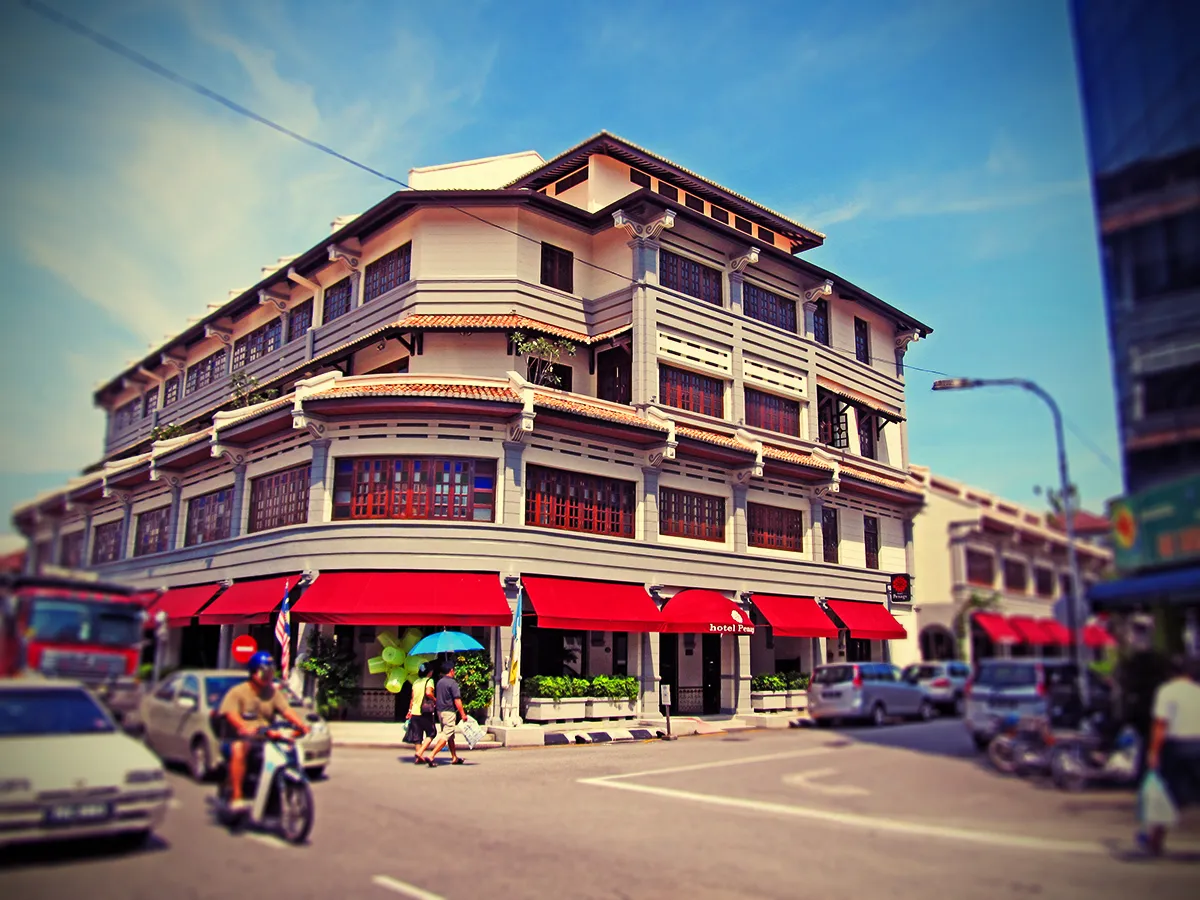
George Town stands as Malaysia’s most captivating heritage destination, attracting travelers from around the globe seeking authentic cultural immersion. This comprehensive guide to Penang hotels, particularly heritage and boutique accommodations in the UNESCO World Heritage Site, serves as your definitive resource for understanding why Georgetown remains one of the world’s most sought-after heritage tourism destinations. With Penang welcoming 8,237,072 hotel guests in 2024-surpassing pre-pandemic levels-and Chinese tourists experiencing a 218.86% surge in arrivals, the island’s appeal continues to strengthen. The global heritage tourism market, valued at USD 709.29 billion in 2024, underscores the universal appeal of staying in historic, character-filled properties rather than standard chain hotels.
Penang Island has transformed into a destination where travelers actively seek heritage building accommodations that tell stories, preserve history, and offer personalized experiences unavailable in conventional lodging. Whether you’re planning a romantic getaway, a cultural exploration, or a multigenerational family adventure, understanding the landscape of George Town heritage hotels ensures you make an informed decision that enriches your entire Malaysian journey.
Why Georgetown’s Heritage Hotels Outshine Standard Penang Hotels
The Georgetown Difference: More Than Just a Place to Sleep
When you choose a heritage hotel in George Town over standard Penang hotels, you’re investing in an experience that transforms your trip fundamentally. These aren’t merely rooms with walls; they’re living archives of Penang Island’s multicultural heritage, architectural significance, and colonial legacy. The designation of George Town as a UNESCO World Heritage Site in 2008 wasn’t arbitrary-it recognized the city’s outstanding universal value, unique urban fabric, and the irreplaceable stories embedded within centuries-old structures.
A heritage stay places you directly within this living museum. Rather than viewing history from a distance through guided tours, you inhabit it, breathing the same air as merchants, writers, and travelers who walked these streets generations ago. Your bedroom might be in a restored colonial pre-war shophouse with original wooden beams, your breakfast served in a courtyard that’s remained virtually unchanged for over a century, and your evening stroll takes you through lantern-lit lanes where Fortune 500 executives once negotiated trade agreements.
The Heritage Tourism Market Boom and What It Means for Your Stay
The surge in heritage tourism reflects a global shift toward meaningful travel. Travelers increasingly reject cookie-cutter hotel experiences in favor of boutique accommodation that offers personality, authenticity, and educational value. This trend has elevated George Town’s position as a premier destination, but it also means popular heritage hotels in Penang book quickly, particularly during peak seasons. The Penang hotels sector’s robust growth-with an occupancy rate of 60.3% in April 2025-indicates strong demand, making advance booking essential for securing your preferred property.
Understanding George Town’s Heritage Hotel Landscape
What Distinguishes a Heritage Hotel from Standard Penang Hotels
Heritage hotels differ fundamentally from typical 4-star hotels or 5-star hotels in their approach to accommodation. Rather than prioritizing amenities for their own sake, heritage properties prioritize authenticity, historical accuracy, and cultural preservation. These properties are typically housed in buildings of documented historical significance-often more than 100 years old-that have undergone meticulous restoration to preserve original architectural features.
A heritage building serving as accommodation maintains several key characteristics:
Architectural Integrity: Original facades, intricate tilework, wooden beams, ornate carvings, and authentic shutters are preserved and celebrated rather than modernized beyond recognition. When you stay at a property like Cheong Fatt Tze – The Blue Mansion, you’re experiencing late-19th-century Straits Chinese architecture with its distinctive indigo exterior, hand-carved details, and stained-glass windows intact.
Period Furnishings and Decor: While maintaining modern comfort standards, heritage properties incorporate antique furniture, local artwork, and decorative elements that reflect the building’s era and cultural context. Walking into your room means encountering pieces that might have graced the space 80 or 150 years ago, creating an immediate sensory connection to the past.
Cultural Storytelling: Every element-from architectural choices to displayed artifacts-communicates the multicultural heritage that shaped Penang Island. Chinese, Malay, British colonial, and Indian influences are woven throughout the design narrative, educating guests about the region’s complex history.
The Boutique Hotel Distinction: Contemporary Character in Historic Spaces
Boutique accommodation overlaps with heritage properties but follows a slightly different philosophy. While heritage hotels prioritize historical preservation, boutique hotels blend historical elements with contemporary design sensibilities and artistic expression. These typically smaller properties-often with fewer than 30 rooms-offer a level of personalization and attention to detail that larger properties cannot match.
Boutique hotels in George Town often occupy beautifully restored traditional shophouses, colonial-era buildings, or heritage-listed structures, but they approach interior design with modern artistic vision. You might find contemporary art installations alongside period architecture, minimalist design treatments in spaces with centuries-old bones, or carefully curated eclectic furniture that honors tradition while expressing individual style.
The key distinction: 5-star hotels and 4-star hotels in Penang focus on amenity abundance and standardized luxury. Boutique accommodation in George Town focuses on distinctiveness, cultural immersion, and personalized service. A 3-star hotel offers basic comfort; a 3-star boutique property offers charm, authenticity, and storytelling.
What to Expect: The Complete Heritage Hotel Experience
The Physical Environment: Stepping Into Another Era
Entering a heritage hotel in George Town is entering a carefully preserved time capsule. The ambiance differs dramatically from standard Penang hotels:
Architectural Elements: Narrow wooden staircases with hand-carved banisters ascend between walls of heritage building plaster. Original window shutters frame street-level views of Love Lane or the heritage district. Courtyards open to sky above, preserving the traditional shophouse design that allowed air circulation and light before air conditioning existed. Verandas provide tranquil reading spaces overlooking lanes where vendors have sold the same wares for generations.
Visual Aesthetics: Local artwork adorns walls-not corporate hotel prints, but pieces by Malaysian artists capturing Penang Island’s essence. Exposed brick walls meet carefully restored original paintwork. Period-appropriate lighting fixtures cast warm glows rather than the sterile brightness of chain hotels. The overall effect is intentional: you feel transported, educated, and honored as a cultural participant rather than merely accommodated.
Guest Bathrooms and Amenities: Modern comfort standards are meticulously integrated without sacrificing authenticity. Your en-suite bathroom features a walk-in rain shower and luxury bathroom amenities that match the property’s character. Expect hair dryer access, premium toiletries (often local brands celebrating Penang’s heritage), and thoughtfully designed spaces that balance historical aesthetics with contemporary plumbing and electrical standards.
Culinary Excellence: Food as Cultural Expression
One of the most remarkable features of heritage hotels in George Town is their commitment to exceptional breakfast and dining experiences. This isn’t an afterthought but a central component of your stay.
Breakfast: A Highlight of Your Stay
Imagine awakening in a centuries-old building, descending heritage staircases to a beautifully preserved dining room or sun-drenched courtyard, and encountering a breakfast spread that celebrates Penang Island’s culinary heritage. This is the standard at exceptional boutique accommodation properties.
Breakfast typically combines local Penang specialties with international options:
Local Highlights: Roti Canai-flaky, folded flatbread served with rich curry-prepared fresh. Nasi Lemak with fragrant coconut rice and sambal, traditional kuih (bite-sized cakes), locally made preserves. These aren’t approximations for foreign palates but authentic preparations using recipes that have been refined across generations.
International Comfort: Fresh pastries, locally roasted coffee, fresh-squeezed juices, and seasonal fruits ensure travelers with any preference find satisfaction. Many heritage properties source these items from local suppliers, supporting the community while ensuring quality and sustainability.
Presentation and Service: Staff explain each dish’s origins and preparation methods. Breakfast isn’t merely food service but cultural education. You’ll understand regional spice profiles, ingredient sources, and the multicultural influences that make Penang Island’s food culture distinctive.
On-site Eateries and Dining Beyond Breakfast
Many premium heritage hotels and 5-star hotels in George Town operate on-site eateries serving lunch and dinner. These restaurants showcase Italian cuisine, seafood preparations, fusion concepts, and authentic Malaysian cuisine. Options might include:
- Seafood & Roast Buffet featuring fresh catches from Penang’s waters
- Family Buffet options accommodating multigenerational travelers
- Specialty Dining: Some properties feature venues named for their signature experiences (like specialty bistro concepts)
This means accessing world-class dining without leaving your heritage haven, reducing the pressure to navigate unfamiliar neighborhoods, especially for families with Kid-friendly services.
Premier Heritage Hotels in George Town: Curated Selections
The Legendary Icon: Eastern and Oriental Hotel
The Eastern and Oriental Hotel-affectionately known as the “E&O”-stands as George Town’s most iconic 5-star hotel. Established in 1885, this grand property has welcomed royalty, dignitaries, and cultural luminaries for nearly 140 years. The E&O represents the pinnacle of colonial-era luxury preserved with meticulous authenticity.
Why the E&O Represents Heritage Excellence:
The property’s design reflects late-19th-century colonial grandeur without parody. Sea-facing suites capture panoramic waterfront views toward Penang Island‘s historic harbor. Manicured gardens provide tranquil retreat spaces. Sweeping staircases, classic decor echoing colonial aesthetics, and impeccable service standards create an atmosphere where history is palpable in every detail.
Staying at the E&O means inhabiting a property that has witnessed Penang Island’s transformation from British colonial hub to independent nation’s cultural treasure. The hotel’s restaurant offers fine dining in an atmosphere steeped in historical significance. Staff can provide recommendations for exploring George Town’s UNESCO World Heritage Site status landmarks, heritage buildings, and neighborhood nuances that casual visitors might miss.
Ideal For: Travelers seeking undeniable luxury with unquestionable historical credentials, luxury honeymoons, milestone anniversaries, or business travelers prioritizing prestige and established reputation.
The Architectural Marvel: Cheong Fatt Tze – The Blue Mansion
Cheong Fatt Tze – The Blue Mansion represents heritage accommodation at its most architecturally significant. This UNESCO award-winning heritage boutique hotel occupies a striking indigo-hued residence built in the late 19th century by a wealthy Chinese merchant. The property has been transformed into an exclusive guesthouse preserving the mansion’s historical character while providing comfortable accommodation.
Architectural Significance:
The Cheong Fatt Tze mansion showcases Straits Chinese architecture at its finest. Distinctive features include:
- Hand-carved wooden details throughout, depicting prosperity symbols and cultural motifs
- Stained-glass windows filtering light into deep-hued interiors
- Interior courtyards (atriums) designed to regulate temperature and light naturally
- Original brick work, timber construction, and decorative tiles
- Each room’s unique character reflecting the mansion’s layout and historical function
The property’s indigo exterior-achieved through specific dye batches that have never been perfectly replicated-makes it instantly recognizable within George Town’s streetscape. This is living architecture, not a museum display. You inhabit spaces where 19th-century merchants conducted business, families celebrated occasions, and generations of stories unfolded.
The Experience:
Staying at The Blue Mansion Hotel means accepting the property’s historical limitations alongside its exceptional character. Rooms are more intimate than typical hotels (some accessed via narrow heritage staircases), bathrooms may feel compact by contemporary standards, and the property’s age means sounds travel. These aren’t deficiencies but authentic aspects of occupying a 140-year-old building. The tradeoff is unparalleled authenticity and the privilege of inhabiting architectural history.
The property’s small guesthouse scale (roughly 10 rooms) ensures personalized service and an exclusive atmosphere. Staff possess encyclopedic knowledge of the building’s history and George Town’s heritage significance.
Ideal For: Architecture enthusiasts, cultural historians, travelers seeking authentic heritage experiences over standard luxury, photographers, and those comfortable with character quirks in exchange for authenticity.
Charming Shophouse Stays: George Town’s Boutique Accommodation Scene
Beyond the legendary flagships, George Town’s boutique accommodation landscape includes numerous stylish properties occupying restored colonial pre-war shophouse buildings and heritage structures. These smaller properties-typically 4-star hotels or specialized boutique accommodation-offer distinct advantages:
Notable Boutique Properties:
Edison George Town and related Edison properties represent contemporary takes on heritage accommodation. These boutique hotels occupy beautifully restored traditional shophouses but approach interior design with modern sensibilities. Expect stylish interiors, contemporary art, carefully curated eclectic furniture, and attention to design detail that appeals to aesthetic-conscious travelers.
Campbell House and similar specialized boutique properties maintain architectural authenticity while offering modern comforts. These properties often provide personalized concierge services, curated local experiences, and intimate scales that create genuine connections between staff and guests.
Carnarvon House and Carnarvon Suites represent smaller specialized accommodations appealing to discerning travelers seeking distinct personality and historical authenticity without grand-hotel formality.
Star Lodge, 75 Traveller’s Lodge, The Leith, and similar properties occupy the 3-star hotel to budget-boutique spectrum, offering heritage character at more accessible price points. While amenities may be simpler, these properties often excel at authenticity and local knowledge.
Key Advantages of Boutique Properties:
These smaller properties typically offer:
- Prime locations within George Town’s heritage core (closer to Love Lane, Chew Jetty, Little India district, major temples)
- Personalized service impossible at larger hotels
- Access to owner/manager expertise about neighborhoods and local culture
- Unique room designs reflecting individual buildings’ histories
- Community connections supporting local businesses
- Distinctive experiences that become travel stories rather than forgettable nights
Ideal For: Travelers valuing authenticity and distinctive character, returning visitors seeking new properties, photographers, solo adventurers, couples celebrating occasions, and those comfortable with smaller-scale operations.
Contemporary-Luxury Alternatives Near Heritage Core
For travelers prioritizing contemporary luxury with convenient heritage access:
Cititel Penang offers 4-star hotel comfort with proximity to heritage attractions. While not a heritage property itself, its location provides convenient access to George Town’s UNESCO World Heritage Site core while offering modern amenities for those preferring familiar chain-hotel predictability.
Sunway Hotel Georgetown Penang similarly provides reliable 4-star hotel standards in the heritage district, appealing to business travelers and those seeking established brand confidence.
G Hotel Gurney, while located at Gurney Drive rather than heritage George Town, offers 5-star hotel contemporary luxury for travelers prioritizing modern amenities and waterfront location over historical immersion.
Berjaya Penang Hotel, Millen Penang, Hompton by the Beach Penang, and similar properties throughout Penang Island offer varied price points and amenities for diverse traveler preferences.
Important Distinction: These contemporary properties provide excellent value and convenience but don’t offer the heritage immersion that distinguishes this pillar page’s primary recommendations. However, they serve visitors whose priorities differ or whose needs (accessibility, specific amenities, budget constraints) make them appropriate choices.
Exploring George Town and Beyond: Your Heritage Hotel as Adventure Base
Choosing a heritage hotel in George Town means positioning yourself at the epicenter of Penang Island’s most significant cultural and historical attractions. This location advantage extends your exploration opportunities dramatically.
Within the UNESCO World Heritage Site: Walking George Town’s Living Museum
The beauty of staying within George Town’s UNESCO World Heritage Site core is that major attractions are within walking distance:
Historic Temples and Religious Sites:
- Khoo Kongsi Temple (clan temple with exceptional wood carving)
- Sri Mariamman Temple (South India–influenced Hindu temple)
- Numerous other clan houses, Buddhist temples, and mosques accessible on foot
- Sun Yat-Sen Memorial Centre documenting revolutionary history
Architectural Landmarks:
- Colonial government buildings
- Traditional Chinese shophouses throughout Love Lane and surrounding streets
- Malay kampong houses in various stages of preservation
- Fort Cornwallis and waterfront fortifications
Cultural Attractions:
- Art galleries and museums occupying heritage buildings
- Street art (particularly vibrant murals) throughout neighborhoods
- Markets reflecting the multicultural communities
The Walking Experience: George Town rewards slow exploration. Narrow lanes, unexpected courtyards, and hidden temples emerge as you wander. Many heritage hotels provide maps highlighting walking routes or can arrange guided tours highlighting neighborhood histories and cultural significance.
The Culinary Heart: Food Tourism From Your Heritage Base
Penang Island is globally recognized as a food destination. George Town is the epicenter. Your location in a heritage hotel or boutique accommodation places you steps from legendary food experiences:
Street Food Legends:
- Char Kway Teow: Stir-fried flat noodles with soy, shrimp, and egg (specific stalls have multi-generational reputations)
- Asam Laksa: Sour tamarind fish broth with noodles, a Penang signature dish
- Hokkien Mee: Chinese noodle preparation with local variations
- Cendol: Shaved ice dessert with coconut milk and palm sugar syrup
Food Destinations:
- Hawker stalls throughout George Town operating morning and evening shifts
- Food courts (kopitiam) serving coffee and traditional breakfast items
- Khao San Rd area (inspired by Bangkok’s famous street, offering fusion food)
- Aayu Chulia food area near heritage core
- Tang Bistro and casual dining throughout neighborhoods
Hotel Recommendations: Most heritage hotels staff can recommend specific stalls, vendors, and food experiences matching your preferences. This local knowledge proves invaluable, helping you avoid tourist traps and discover authentic preparations that chain-restaurant approximations fail to capture.
Nearby Attractions: Expanding Beyond George Town Core
While George Town itself could occupy weeks, nearby attractions offer diverse experiences:
Gurney Drive and Waterfront District: Approximately 15-20 minutes from heritage core (accessible by Grab Taxi or local transport), Gurney Drive has evolved from hawker-stall hub into a modern promenade. Gurney Bay offers contemporary waterfront dining with sea views. Gurney Plaza provides upscale shopping for those seeking brands and contemporary retail.
Penang Hill: Accessible via funicular railway (approximately 20 minutes from George Town), this elevated location offers cooler temperatures, panoramic island views, and temple attractions. A worthwhile half-day excursion, particularly refreshing during Penang’s hot season.
Batu Ferringhi: This popular beach resort town (approximately 30-40 minutes from George Town) offers sandy shores, water sports, beach clubs, and a different pace. Some travelers combine heritage immersion in George Town with coastal relaxation in Batu Ferringhi.
Penang Tropical Fruit Farm: Educational farm experience showcasing tropical agriculture (approximately 30 minutes away), appealing to families and agriculture enthusiasts.
Ferry Terminal: Direct access to ferries connecting Penang Island with Kuala Lumpur on mainland Malaysia, enabling multi-destination Malaysian adventures.
Multi-Destination Malaysian Adventures
Penang Island’s strategic location enables broader Malaysian exploration. From your heritage hotel base:
Kuala Lumpur: Accessible via 4-6 hour drive or short flight, Malaysia’s capital offers different cultural experiences, shopping, dining, and urban exploration. Heritage travelers often appreciate KL’s historic neighborhoods and cultural institutions.
Langkawi Island: Ferry or short flight connections enable island-hopping adventures (approximately 2-3 hours travel time).
The infrastructure supporting Penang Island tourism (direct ferry connections, accessible airports, reliable transportation) means choosing a George Town heritage hotel doesn’t lock you into single-location travel-it simply positions you ideally for this region’s exploration while maintaining a character-filled home base.
The Food Scene: Cuisine as Cultural Gateway
Penang Island’s multicultural heritage is most vividly expressed through its cuisine. Staying in a heritage hotel means accessing this food culture authentically and proximately.
Breakfast Excellence: Setting Your Culinary Day
As mentioned previously, breakfast at heritage hotels and quality boutique accommodation represents a first-day highlight. The commitment to presenting authentic local flavors-Roti Canai, Nasi Lemak, local kuih varieties-sets a culinary tone emphasizing quality ingredients, traditional preparation, and cultural pride.
This breakfast experience isn’t merely food consumption. It’s education about regional ingredients, cooking techniques, historical influences, and the multicultural communities that developed Penang Island’s food traditions.
Exploration: Navigating the Food Scene
George Town’s food reputation rests on several foundations:
Hawker Culture: Open-air stalls, often family-operated across generations, serving specific dishes they’ve perfected. Most operate morning hours (6 AM–noon) and evening hours (5 PM–11 PM), with different stalls specializing in different preparations.
Diverse Cuisines: Chinese regional variations (Hokkien, Cantonese, Hakka), Malay traditional preparations, Indian curries (North and South Indian styles), Portuguese-influenced seafood, and contemporary fusion concepts.
Quality Standards: Despite humble appearances, food safety standards are high. The competitive environment and cultural pride in food preparation mean reputation is everything. Stalls with lines of locals at breakfast or lunch are reliably excellent.
Price Accessibility: Exceptional meals often cost $2-5 USD per person, making food exploration financially accessible even for budget-conscious travelers.
On-Site Dining and Restaurant Recommendations
Your heritage hotel staff can recommend specific food experiences. Some hotels operate on-site eateries serving breakfast, lunch, and dinner. Premium properties might offer:
- Seafood & Roast Buffet featuring fresh catches
- Family Buffet options suitable for multigenerational groups
- Italian cuisine options for those preferring Western preparations
- Specialty dining venues with thematic concepts
The advantage of on-site eateries: convenient, reliable quality, and often offering cultural education through staff explanations and menu descriptions.
Practical Booking Intelligence: Securing Your Perfect Heritage Stay
Strategic Booking Approach
Successfully securing a preferred heritage hotel or boutique accommodation in George Town requires strategic planning:
Advance Booking: With Penang hotels occupancy at 60.3% in April 2025 and surge traffic (particularly from markets like China with 218.86% growth in 2024), popular properties book months in advance during peak seasons (December-January, July-August). Plan 3-6 months ahead for optimal selection.
Platform Strategy: Compare prices across multiple booking platforms. While major OTA platforms (Booking.com, Agoda, Expedia) offer convenience, direct property websites sometimes provide:
- Best Rate Guarantee terms
- Special Deals for flexible travelers
- Group Bookings discounts for larger parties
- Loyalty benefits for repeat visitors
Location Prioritization: Your preferred neighborhood depends on interests:
- Love Lane and heritage core (best for cultural immersion, walkable attractions)
- Little India district (best for specific cultural experiences, authentic Indian dining)
- Chew Jetty area (waterfront heritage, fishing community atmosphere)
- Gurney Drive proximity (modern amenities, contemporary shopping)
Package Consideration: Some heritage hotels offer packages including:
- Breakfast + guided heritage tours
- Culinary experiences + cooking classes
- Conference & Meetings packages if traveling with groups
- Wedding Package or special occasion customization
Customization and Special Services
A significant advantage of heritage hotels and boutique accommodation over standard Penang hotels is personalization capability:
Special Occasion Services: Celebrating honeymoon, anniversary, birthday, or milestone? Inform the property when booking. Boutique hotels typically provide:
- Room decorations (flowers, candles, personalized touches)
- Special Deals on champagne or romantic dining
- Concierge assistance arranging meaningful experiences
- Photography arrangements for significant moments
Event Services: Beyond individual stays, many heritage hotels offer:
- Wedding Package planning for ceremonies and receptions in historic settings
- Meeting Package customization for corporate retreats and Conference & Meetings events
- Event Planning assistance for milestone celebrations
- Custom catering leveraging on-site eateries expertise
Family Accommodations: Kid-friendly services at better heritage hotels and boutique accommodation might include:
- Family room configurations
- High chairs, cots, and children’s amenities
- Restaurant options accommodating dietary preferences
- Proximity to family-friendly attractions
Understanding Property-Specific Details
When evaluating specific properties, research:
Room Bathroom Configurations: Understanding whether your room features an en-suite bathroom, walk-in rain shower, standard shower, or bathtub helps set proper expectations. Heritage buildings sometimes accommodate modern fixtures within historical spaces in creative ways.
Amenities Availability: Confirm hair dryer, Wi-Fi, air conditioning, and other modern necessities. While expected at 4-star hotels and above, some boutique properties might offer these as optional rather than standard.
Historical Accuracy vs. Modern Comfort: Determine your comfort level with historical authenticity. Some travelers embrace heritage building characteristics (creaky floors, uneven walls, narrow staircases); others find them problematic. Properties should honestly represent their character.
Accessibility: Heritage buildings may lack elevators or have narrow corridors. If accessibility is important, confirm accommodations directly with properties rather than relying on assumptions.
Competitive Advantage: Why Heritage Hotels Beat Standard Penang Hotels
The Experience Differential
Standard Penang hotels-even excellent 4-star hotels-prioritize efficiency, standardization, and profit maximization. Heritage and boutique properties prioritize experience, authenticity, and cultural contribution. This distinction translates into tangible differences:
| Aspect | Standard Hotels | Heritage Hotels |
|---|---|---|
| Design Philosophy | Corporate consistency | Individual character |
| Service Approach | Efficient standardization | Personalized attentiveness |
| Breakfast | Buffet variety | Local specialties with education |
| Staff Knowledge | Operational training | Cultural and historical expertise |
| Room Uniqueness | Identical layouts | Distinctive designs reflecting building history |
| Storytelling | Minimal | Central to experience |
| Community Connection | Minimal | Active support for local businesses |
| Photography Opportunities | Generic | Distinctive, Instagram-worthy |
| Sense of Place | Interchangeable | Deeply connected to specific location |
The Value Proposition for Different Traveler Types
Culture Seekers: Heritage hotels and boutique properties provide educational immersion impossible at standard hotels. You’re not touring culture from a distance; you’re inhabiting it.
Romance and Celebration Travelers: The personalization, character, and intimate scale of boutique properties make them ideal for honeymoons, anniversaries, and milestone celebrations. A 5-star hotel like the E&O offers legendary status; a small boutique property offers genuine attention to your specific celebration.
Photographers and Content Creators: Heritage buildings and neighborhoods provide visual richness that standard hotels lack. The architectural details, atmospheric lighting, and cultural scenes provide compelling photography subjects.
Experiential Travelers: Modern travelers increasingly seek “not-hotel” experiences. Heritage stays deliver genuine experiences-breakfast in 150-year-old dining rooms, exploration from historic lodgings, interaction with staff possessing deep local knowledge-creating memorable stories rather than forgettable transactional nights.
Budget-Conscious Authentic Seekers: 3-star heritage boutique properties and smaller guesthouses offer character and authenticity at price points competitive with or lower than standard hotels, providing superior value for culture-focused travelers.
Penang Island Heritage Resources: Planning Your Visit
Tourism Information and Support
Penang Heritage organizations provide resources for understanding the island’s history, architecture, and cultural significance. Many heritage hotels staff possess direct connections to these organizations and can facilitate deeper cultural engagement.
Visitor Infrastructure: Reliable transportation (local buses, Grab Taxi services, rental vehicles), English-speaking staff at tourism information centers, and widely available information about attractions ensure accessible exploration.
Practical Planning Essentials
Visa and Documentation: Check current requirements for Malaysian entry. Most travelers from developed nations receive 90-day visitor status upon arrival.
Currency and Payments: Malaysian Ringgit (RM) is the currency. ATMs are widely available. Most hotels accept credit cards, though some family-operated properties may prefer cash.
Language: English is widely spoken in tourism-related businesses. Malaysian Malay is the national language; learning basic phrases enhances interactions.
Transportation: Grab Taxi (regional rideshare) is reliable and inexpensive. Local buses are economical but require familiarity with routes. Walking is excellent within George Town heritage core.
Best Travel Seasons: November–February offers cooler, drier weather. Avoid monsoon seasons (May–September for southwest monsoon). Chinese New Year, Deepavali, and Ramadan/Eid bring vibrant celebrations but also crowded periods.
FAQ: Everything You Need to Know About Heritage Hotels in George Town, Penang
Understanding Heritage Hotels and Booking
Q: What’s the difference between “heritage hotel” and “boutique accommodation”?
A: Heritage hotels prioritize historical preservation and authenticity. They’re typically housed in buildings of documented historical significance (often 100+ years old) and emphasize maintaining original architectural features, period furnishings, and cultural storytelling. The Eastern and Oriental Hotel and Cheong Fatt Tze – The Blue Mansion exemplify pure heritage hotel philosophy.
Boutique accommodation overlaps with heritage but emphasizes individuality, intimate scale (typically under 30 rooms), and personalized service. While often occupying heritage buildings, boutique hotels may blend historical elements with contemporary design. Properties like Edison George Town represent boutique philosophy-respecting the heritage building while expressing modern artistic vision.
The key distinction: Heritage hotels serve as living museums; boutique hotels serve as personalized retreats that acknowledge history while embracing contemporary expression.
Q: How far in advance should I book a heritage hotel in George Town?
A: For peak seasons (December-January, July-August), book 3-6 months in advance. For shoulder seasons (March-April, September-October), 6-8 weeks ahead usually suffices. Off-season (May-June, November) often allows 2-4 weeks advance booking.
Popular 5-star hotels like the E&O and boutique accommodation like The Blue Mansion book significantly earlier than less-well-known properties. The surge in Penang tourism (particularly Chinese visitors with 218.86% growth in 2024) has compressed availability windows across the market.
Q: What price range should I expect for heritage hotels in George Town?
A: Heritage hotel pricing varies significantly:
- Luxury Heritage Hotels (Eastern and Oriental, premier boutique properties): $150-300+ per night
- Upper Midrange Heritage Hotels (excellent boutique properties, 4-star heritage): $80-150 per night
- Moderate Heritage Hotels (3-star boutique, small guesthouses): $40-80 per night
- Budget Boutique (simple but charming guesthouses): $25-40 per night
These are approximate ranges; actual pricing depends on season, specific property, room type, and booking platform. Direct property bookings sometimes offer Best Rate Guarantee terms. Comparison shopping across multiple platforms often yields better pricing than assuming major OTAs offer the lowest rates.
Q: Are heritage hotels suitable for families with children?
A: Yes, with considerations. Many heritage hotels offer Kid-friendly services and welcome families. However, heritage buildings may present challenges:
- Narrow staircases without modern railings
- Uneven floors reflecting building age
- Proximity to bustling streets in some locations
- Limited dedicated children’s amenities compared to family-focused resorts
Some family-friendly heritage properties (like larger 4-star hotels with heritage character) accommodate families well. Smaller, more authentically heritage properties may appeal more to adult travelers seeking cultural immersion.
When considering a heritage property for family travel, contact the hotel directly to discuss specific Kid-friendly services, room configurations, and any limitations. Properties like Sunway Hotel Georgetown Penang or Cititel Penang balance heritage character with family-friendly amenities effectively.
Q: Do I need to arrange transportation from the airport to my heritage hotel?
A: No. Reliable transportation options exist:
- Grab Taxi (regional rideshare): Most affordable, reliable option
- Airport shuttle services: Many hotels offer these (confirm when booking)
- Rental vehicles: Available for island exploration (though not necessary within George Town)
- Public buses: Economical but require route familiarity
Most heritage hotels staff can provide transportation guidance when you book. The Ferry Terminal is accessible from George Town for exploring mainland Malaysia, including Kuala Lumpur.
Q: What’s included in heritage hotel room rates? Do I pay extra for breakfast?
A: Inclusions vary by property and booking. Common configurations:
- Room only: Accommodation without meals (lower rate)
- Room + Breakfast: Most common for heritage hotels and mid-range boutique accommodation
- Package rates: Breakfast + guided tours or specific experiences
Always clarify inclusions when booking. Many properties advertise rates that exclude breakfast, then add it during checkout; using Best Rate Guarantee terms ensures transparent pricing. Some properties offer Special Deals bundling breakfast and experiences at lower total cost than booking separately.
Experiences and Amenities
Q: What is breakfast like at heritage hotels in George Town?
A: Breakfast at heritage hotels represents a standout experience. Expect:
Setting: Beautifully restored dining rooms (often colonial-era), sun-drenched courtyards, or charming outdoor spaces reflecting each property’s architectural character.
Food: Authentic local specialties (Roti Canai, Nasi Lemak, local kuih varieties) alongside international options (pastries, fruits, coffee). Quality emphasizes fresh, local ingredients and traditional preparation methods.
Service: Staff explain dish origins, ingredients, and preparation methods, providing cultural education alongside food service.
Timing Flexibility: Most properties serve breakfast 6:30 AM–10 AM, accommodating early exploration or leisurely mornings.
This breakfast experience fundamentally differs from standard hotel buffets, emphasizing quality, authenticity, and cultural engagement over volume and corporate consistency.
Q: Do heritage hotels have modern amenities like Wi-Fi, air conditioning, and en-suite bathrooms?
A: Generally yes, though with variations. Modern heritage hotels integrate contemporary conveniences within historical constraints:
Standard Amenities: Most 4-star heritage hotels and above offer Wi-Fi, air conditioning, en-suite bathroom, comfortable beds, and essential modern conveniences.
Bathroom Features: Walk-in rain shower installations vary. Some properties feature them; others offer standard showers within restored historical spaces. Confirm specific bathroom configurations when booking.
Heritage Authenticity Trade-offs: Some historic properties limit amenities to maintain authenticity. Smaller 3-star boutique properties might lack air conditioning (relying on fans and natural ventilation) or offer shared bathrooms. Properties should honestly represent their characteristics-ask specifically about any limitations.
Hair dryer, toiletries, and other basics are standard at mid-range and higher properties. Budget properties should be confirmed for specific amenities.
The principle: Modern heritage hotels preserve historical character while providing comfortable modern living standards. You shouldn’t need to sacrifice showering or climate control for authenticity.
Q: Are there dining options at heritage hotels beyond breakfast?
A: Many heritage hotels and quality boutique accommodation offer on-site eateries serving lunch and dinner. Options may include:
- Seafood & Roast Buffet featuring fresh Penang catches
- Family Buffet accommodating diverse group preferences
- Italian cuisine and international options for those preferring Western preparations
- Specialized dining concepts unique to each property
However, George Town itself is a food destination. Most travelers deliberately explore street food, hawker stalls, and neighborhood restaurants rather than relying on hotel dining. Your heritage hotel staff can recommend specific vendors and experiences matching your preferences.
The advantage of proximity: You can easily return to your hotel for rest, freshen up, and venture out again for multiple meals without extensive transportation time.
Q: Can heritage hotels accommodate special occasions like honeymoons and anniversaries?
A: Absolutely. This is where boutique accommodation particularly excels. Services typically include:
- Advanced notice allows room decorations (flowers, candles, romantic touches)
- Special Deals on champagne, wine, or romantic dining
- Concierge assistance arranging meaningful experiences (sunset temple visits, cultural workshops, culinary tours)
- Personalized recommendations tailored to your celebration
- Photography arrangements capturing your experience
Wedding Package planning is available at some properties for on-site ceremonies and receptions. Event Planning services accommodate milestone celebrations and group occasions.
The intimate scale of boutique accommodation means your celebration receives genuine attention from management and staff-a distinctly different experience from standard hotel processes.
Location, Attractions, and Exploration
Q: What attractions are within walking distance of George Town heritage hotels?
A: Excellent attractions cluster within walking distance:
Temples and Religious Sites: Khoo Kongsi Temple (remarkable clan temple), Sri Mariamman Temple (Hindu temple with distinctive architecture), Buddhist temples, mosques, and clan houses throughout George Town.
Cultural Landmarks: Sun Yat-Sen Memorial Centre documenting revolutionary history, colonial government buildings, traditional shophouses, art galleries, and museums.
Street Art: Vibrant murals throughout neighborhoods, particularly striking along heritage streets and in artistic quarters.
Markets and Street Food: Hawker stalls, traditional markets, and food courts throughout George Town, accessible on walking routes.
Waterfront: Historic waterfront areas, Chew Jetty (fishing community heritage), and harbor views.
This walkability is a major advantage of heritage hotel location-you can access world-class cultural experiences without transportation costs or navigation challenges.
Q: How long would a typical visitor spend in George Town?
A: Heritage-focused travelers typically find 3-5 days optimal:
- 1-2 days: UNESCO World Heritage Site core neighborhoods, major temples, cultural landmarks, street food orientation
- 3-4 days: Deeper exploration of neighborhoods, specialty food experiences, museum visits, repeat beloved spots
- 5+ days: Relaxed pace allowing spontaneous discoveries, extended cuisine exploration, day trips to Penang Hill, Batu Ferringhi, or beyond
Most visitors find 3 days minimum necessary for meaningful immersion; 4-5 days allows balanced cultural engagement and leisure. Day-trippers miss the gradual atmospheric absorption that makes heritage stays transformative.
Q: Can I explore Penang Island beyond George Town while staying in a heritage hotel?
A: Absolutely. From your George Town base, several experiences are accessible:
Gurney Drive and Waterfront: 15-20 minute transportation to Gurney Drive promenade, Gurney Bay dining, and Gurney Plaza shopping. The atmosphere contrasts with heritage George Town, offering modern waterfront experience.
Penang Hill: 20-30 minute access to this elevated sanctuary offering cooler temperatures, temple visits, and panoramic views.
Batu Ferringhi: 30-40 minute travel to popular beach resort town with sandy shores, water sports, and seaside dining.
Penang Tropical Fruit Farm: 30 minutes for agricultural education and tropical produce experience.
Ferry Terminal: Access to ferries connecting Penang Island to mainland Malaysia, enabling Kuala Lumpur exploration or onward travel.
Staying in a George Town heritage hotel doesn’t restrict exploration-it simply positions you optimally for heritage immersion while maintaining accessible connections to other experiences.
Q: What neighborhoods should I prioritize for heritage hotel location?
A: Location preferences depend on your interests:
Love Lane and Heritage Core: Best for pure cultural immersion and architectural appreciation. Most attractions walkable, authentic atmosphere, less tourist convenience infrastructure.
Little India District: Experience specific cultural perspective, authentic Indian dining, specialty shopping. Good for culturally focused travelers.
Chew Jetty Area: Waterfront heritage setting, fishing community atmosphere, unique perspective on Penang’s maritime history.
Gurney Drive Proximity: Better for modern amenities and shopping but reduced heritage character. Suitable for travelers prioritizing contemporary comfort.
Recommendation: Unless specific neighborhoods appeal, properties in George Town’s historic core maximize heritage immersion and attraction proximity.
Food, Dining, and Culinary Experiences
Q: What are Penang’s signature dishes I should try while staying in George Town?
A: Essential Penang culinary experiences:
Char Kway Teow: Stir-fried flat rice noodles with soy, shrimp, egg, and bean sprouts. Multi-generational stall operators have perfected specific preparations. Try multiple vendors to appreciate variations.
Asam Laksa: Penang’s signature dish-sour tamarind fish broth with rice noodles, mint, and local spice profiles. This is quintessential Penang; no visit is complete without it.
Hokkien Mee: Chinese noodle preparation with regional Penang variations. Often combines egg noodles and rice noodles with similar proteins.
Cendol: Shaved ice dessert with coconut milk, palm sugar syrup, and pandan-flavored jelly. Perfect for tropical heat relief.
Roti Canai: Flaky, folded flatbread served with curry-staple breakfast/lunch bread item. Quality varies significantly; try multiple vendors.
Nasi Lemak: Coconut rice with sambal, anchovies, cucumber, and boiled egg. Malaysian national dish, with Penang variations.
Penang Laksa (also called Asam Laksa for distinction): Fish-based sour broth, the most iconic preparation distinguishing Penang from other Malaysian states.
These aren’t tourist recommendations but genuine local specialties. Your heritage hotel staff can guide you to specific vendors of high repute.
Q: Is street food in George Town safe to eat?
A: Yes. Food safety at hawker stalls in George Town is reliable:
Quality Standards: Competition and cultural pride in food preparation mean reputation is everything. Busy stalls with long lines of locals indicate quality and food safety.
Hygiene: Observe vendors before purchasing. Look for clean preparation areas, frequent cleaning, and food stored properly.
Common Sense: Avoid food sitting in heat for extended periods; patronize busy stalls with quick turnover. Stick to cooked foods rather than raw preparations if you have a cautious stomach.
Most travelers experience no issues with George Town street food. The combination of local demand, competitive pressure, and cultural food pride maintains high standards. Beginning with milder dishes and progressing to spicier preparations helps your stomach adjust to local flavor profiles.
Q: Can hotels help arrange food tours or cooking classes?
A: Many heritage hotels and boutique accommodation staff can recommend or arrange:
- Guided food tours highlighting specific neighborhoods, vendors, and dishes
- Cooking classes teaching authentic Penang preparations
- Market visits exploring ingredient sources and shopping culture
- Chef interactions at hawker stalls or restaurants offering education
Some properties feature these services as part of packages; others arrange them through local partners. Request these services when booking or upon arrival. The concierge level at quality heritage hotels often exceeds standard hotel capabilities in cultural experience curation.
Q: What’s the difference between hawker stalls and restaurants in George Town?
A: Hawker Stalls: Open-air food vending (usually morning and evening shifts), often family-operated across generations, serving specific dishes perfected through repetition. Minimal seating, casual atmosphere. Price: $2-5 USD per meal. Experience: Authentic, community-oriented, cultural immersion.
Food Courts (Kopitiam): Enclosed or semi-open spaces with multiple stall operators sharing common dining area. Multiple cuisine options in one location. Price: $2-5 USD per meal. Experience: More accessible, less intimidating for some travelers, still highly authentic.
Restaurants: Sit-down establishments with waitstaff, broader menus, sometimes touristic orientation. Price: $8-20+ USD per meal. Experience: Comfortable, reliable, sometimes less authentic.
All categories offer quality food. Your preference depends on comfort level with informal eating, willingness to navigate unfamiliar ordering systems, and desired atmosphere. Heritage hotel staff recommendations help match your preferences to appropriate venues.
Practical Logistics and Planning
Q: What’s the best time to visit George Town and Penang Island?
A: Optimal Seasons:
November–February: Cool, dry weather (best travel season). Daytime temperatures 25-28°C (77-82°F). Minimal rainfall. Peak tourism season with corresponding crowds and higher prices.
March–April and September–October: Shoulder seasons with acceptable weather and fewer crowds. Occasional rain but manageable. Better value pricing.
Avoid: May–September (southwest monsoon) brings heavy rainfall, high humidity, and occasional flooding in low-lying areas. May–June are particularly wet and humid.
Special Events: Chinese New Year, Deepavali (Hindu festival of lights), and Eid celebrations bring vibrant cultural experiences but also crowded conditions and higher prices.
Recommendation: November–January or March–April offers best balance of weather, crowds, and pricing. Plan accordingly for your preferences-peak season ensures all activities and services available; shoulder season offers better value and slightly more relaxed atmosphere.
Q: Do I need vaccinations or take special health precautions for Penang?
A: Consult healthcare providers for individual medical situations, but generally:
Vaccinations: Check current recommendations. Hepatitis A and typhoid are sometimes recommended; Yellow Fever is not required unless arriving from endemic countries.
Malaria/Dengue Mosquitoes: Penang’s urban areas have minimal malaria risk, but dengue fever transmission occurs. Use mosquito repellent, particularly during dusk/dawn. Long sleeves and pants in early morning/evening reduce exposure.
Water: Tap water is generally safe to drink in George Town’s established tourism areas, but many travelers stick to bottled water during initial adjustment periods.
Healthcare: Modern medical facilities exist in George Town. Travel insurance is recommended but not essential for short tourism visits.
Stomach Adjustment: Most travelers experience no issues with George Town street food, but allowing your digestive system to adjust (starting with milder dishes) prevents discomfort.
Overall, Penang is a safe, well-established tourism destination with reliable infrastructure for visitor health and safety.
Q: What’s the visa situation for visiting Malaysia and Penang?
A: Visa Requirements: Vary by nationality. Many countries receive 90-day tourist visas upon arrival (Americans, Europeans, Australians, Canadians). Check current Malaysian government requirements for your specific nationality.
Documentation: Passport valid for 6+ months beyond your departure date is standard requirement.
Arrival Process: Tourism arrival is straightforward. Immigration lines at Penang International Airport are typically efficient. Staff speak English.
Extension: If needed, visa extensions are available through immigration offices in George Town.
Contact Malaysian consulates or check official Malaysian government resources for current visa requirements specific to your nationality. Do not rely solely on agent information, as regulations change.
Q: How do I get around George Town and Penang Island? Is a car necessary?
A: Personal vehicle not necessary:
Walking: Within George Town heritage core, walking is the primary exploration method. Walkability is excellent; distances are manageable.
Grab Taxi: Regional rideshare app; download when arriving. Inexpensive, reliable, English-speaking drivers. Preferred option for trips outside walking range.
Local Buses: Economical but require route familiarity. Better for repeated travelers or those comfortable with transportation learning curves.
Rental Vehicles: Available if exploring broader Penang Island (Batu Ferringhi, Penang Hill, etc.) on your schedule. Driving standards are somewhat chaotic; confident drivers only.
Organized Tours: Many heritage hotels offer or arrange organized tours accessing broader attractions.
Recommendation: Skip car rental unless confident driving. Grab Taxi provides sufficient flexibility for most travelers without parking hassles or navigation stress.
Q: What currency is used, and how should I manage money in Penang?
A: Currency: Malaysian Ringgit (RM). Exchange rates fluctuate; approximately 4-5 RM = 1 USD.
Cash Access: ATMs are abundant throughout George Town and Penang. Withdrawing local currency from ATMs typically offers better exchange rates than currency exchange offices.
Credit Cards: Accepted at hotels, established restaurants, and shopping centers. Smaller establishments (hawker stalls, family-operated shops) are cash-only.
Budget: Street food meals cost $2-5 USD. Mid-range restaurant meals $8-15 USD. Heritage hotel accommodation $50-200+ USD depending on category. Daily budget for travelers (excluding accommodation) typically $30-50 USD for meals, attractions, and transportation.
Recommendation: Carry mix of cash and credit cards. Withdraw cash from ATMs rather than converting currencies in home country or at airport exchange booths.
Q: What languages are spoken in George Town? Do I need to speak Malay or Chinese?
A: English: Widely spoken in tourism-related businesses, hotels, restaurants, and attractions. Most travelers navigate comfortably with English.
Malay (Bahasa Malaysia): Official national language. Learning basic phrases (hello, thank you, excuse me) enhances interactions, though not essential for tourism.
Chinese Dialects: Hokkien, Cantonese, and Mandarin spoken by various communities. Not essential for visitors.
Language for Dining: Hawker stalls sometimes have limited English. Pointing, body language, and observation of other customers’ choices facilitate ordering. Don’t let language concerns prevent food exploration-try anyway; persistence usually results in satisfying meals.
Translation Apps: Mobile translation apps help with menus and basic communication if language becomes problematic.
Recommendation: Learn basic English tourism phrases. Download translation app as backup. English suffices for navigating George Town tourism successfully.
Booking, Policies, and Guest Services
Q: What’s the difference between booking directly with hotels versus through booking platforms?
A: Direct Booking:
- Pros: Sometimes Best Rate Guarantee, Special Deals, flexibility with cancellations, personalization opportunities, direct communication with management
- Cons: Limited visibility, no comparative shopping, risk of missed deals
Booking Platforms (Agoda, Booking.com, Expedia):
- Pros: Easy comparison shopping, accumulated reviews, convenient payment processing, sometimes lowest rates
- Cons: Booking.com/Agoda take significant commissions affecting hotel willingness to offer direct bookings discounts, less personalization
Strategy: Compare prices on multiple platforms and direct hotel websites. Often 5-10% differences exist. Calculate total costs (including taxes often hidden until final steps). Call properties directly to confirm rates and inquire about Best Rate Guarantee terms or Special Deals.
For special occasion travelers or those seeking customization, direct communication with properties yields better results than platform-mediated bookings.
Q: What are typical cancellation policies for heritage hotels in George Town?
A: Policies Vary: Most heritage properties offer **cancellation flexibility during off-season, stricter policies during peak season. Common terms:
- Free Cancellation: Up to 7-14 days before arrival (varies by property)
- Partial Refund: 25-50% refund if canceling 3-7 days before arrival
- Non-Refundable: Lowest-rate bookings sometimes non-refundable
- Holiday Periods: Christmas, New Year, Chinese New Year often require payment regardless of cancellation
Clarification: Always confirm specific cancellation terms before finalizing bookings. Policies are property-specific, not standardized across George Town heritage hotels.
Travel Insurance: Consider travel insurance covering unexpected cancellations, particularly for longer trips or peak-season travel when rebooking is expensive.
Q: Do heritage hotels offer group bookings or special rates for larger parties?
A: Yes. Many properties offer:
Group Booking Discounts: Reduced nightly rates for parties of 8+ people
Conference & Meetings: Meeting space, catering, and coordinated group services
Wedding Package: On-site ceremonies and reception catering
Corporate Retreat: Multi-day group accommodations with dining, activities, and meeting facilities
Event Planning: Assistance coordinating celebrations, milestone events, and special occasions
Contact properties directly to discuss group needs. Group Bookings often yield better per-person value than individual reservations.
Q: How do I ensure excellent customer service during my heritage hotel stay?
A: Heritage hotels typically excel at Customer Service due to their intimate scale and staff investment in experiences. Enhance your experience:
Clear Communication: Specify preferences when booking (dietary restrictions, celebration occasions, neighborhood interests, activity preferences).
Early Contact: Email properties 1-2 weeks before arrival with detailed information and requests. This allows staff preparation.
Arrival Engagement: Discuss interests with staff upon arrival. Their recommendations and insights are often superior to guidebooks.
Appreciation: Show genuine interest in staff expertise. Ask questions about the building’s history, neighborhood recommendations, food specialties. Staff respond enthusiastically when guests demonstrate authentic engagement.
Feedback: Provide honest feedback about excellent service. This reinforces commitment to quality and identifies particularly helpful staff for future visitors.
Tipping: While not mandatory, 10-15% gratuity for exceptional service is appreciated. Round up taxi fares and leave small tips for housekeeping.
This reciprocal engagement typically results in enhanced service, unexpected perks, and memorable staff interactions that distinguish heritage stays from transactional hotel experiences.
Q: What should I bring when traveling to a heritage hotel in George Town?
A: Essential Packing:
- Passport (valid 6+ months)
- Travel insurance documents
- Medications
- Lightweight, loose clothing (tropical climate, respectful covering in temples)
- Comfortable walking shoes (significant pedestrian exploration)
- Sun protection (sunscreen, hat, sunglasses)
- Insect repellent (dengue mosquitoes)
- Modest clothing for temple visits (covering shoulders and knees)
- Adapter for Malaysian electrical outlets (Type G British-style plugs)
- Portable phone charger
- Small daypack for exploration
Optional:
- Lightweight rain jacket (monsoon season)
- Medication for stomach sensitivity
- Nicer clothing if planning upscale dining
- Photography equipment
Note on Heritage Hotels: Most provide bathroom amenities, hair dryer, and basic supplies. Confirm these details when booking to avoid overpacking. Heritage hotels appreciate guests who travel with minimal luggage-navigating narrow heritage staircases with enormous suitcases is challenging.
Q: Are heritage hotels accessible for travelers with mobility limitations?
A: Significant Challenges: Historic buildings present inherent accessibility challenges:
- Narrow staircases without modern railings
- Uneven floors reflecting building age
- Lack of elevators in some properties
- Narrow corridors and door frames
- Bathroom layouts not accommodating wheelchairs
Solutions: Some heritage properties have adapted specific rooms or floors with modern accessibility features. Contact properties directly to:
- Confirm specific accessibility capabilities
- Request ground-floor rooms when available
- Discuss equipment needs
- Assess whether specific properties can accommodate individual requirements
Alternatives: More contemporary 4-star hotels like Cititel Penang or Sunway Hotel Georgetown Penang offer heritage location with modern accessibility standards.
Transparency: Properties should honestly represent accessibility limitations. If accessibility is essential, confirm directly rather than assuming heritage buildings accommodate mobility equipment.
Q: Can I extend my stay or modify bookings after arrival?
A: Generally yes, depending on availability and specific policies:
Modifications: Contact the property directly. Many accommodate stay extensions if rooms are available, sometimes at adjusted rates.
Rate Changes: Extending stays sometimes qualifies for adjusted pricing (longer-stay discounts) or different rate structures.
Cancellation Adjustments: If needing to shorten stays, cancellation policies apply; flexibility varies by property and season.
Process: Discuss needed changes with front desk or management. Properties often accommodate reasonable requests when communicated directly.
Recommendation: Plan travel loosely initially, leaving flexibility to extend rewarding stays-many travelers find themselves extending George Town visits beyond original plans because the experience captivates them.
Competition and Comparative Information
Q: How do George Town heritage hotels compare to heritage properties in other Malaysian destinations?
A: George Town Advantages:
- UNESCO World Heritage Site designation (only Georgetown in Malaysia)
- Highest concentration of preserved colonial and traditional architecture
- Most developed heritage tourism infrastructure and services
- Best culinary reputation (widely regarded as Malaysia’s food capital)
- Most established boutique hotel scene
- Strongest cultural immersion opportunities
Other Malaysian Heritage Options:
- Kuala Lumpur: Colonial architecture but modern city; less cohesive heritage atmosphere
- Melaka (Malacca): Also UNESCO-listed with heritage properties but smaller scale, less developed dining scene
- Penang Island Beach Areas (Batu Ferringhi): Contemporary resorts, less heritage character
Comparison Conclusion: George Town offers unmatched heritage tourism experiences in Malaysia. If heritage immersion is your priority, George Town outperforms alternatives significantly.
Q: How do George Town heritage hotels compare to heritage properties in other Southeast Asian destinations?
A: Regional Comparisons:
Hanoi, Vietnam: Comparable heritage architecture and street food reputation. George Town more organized tourism infrastructure; Hanoi potentially more chaotic but equally authentic.
Bangkok, Thailand: Much larger city; less concentrated heritage areas. Superior luxury hotel options; less cohesive heritage neighborhood experience.
Hoi An, Vietnam: Smaller heritage town; less diverse activity options; comparable authenticity but reduced activity variety.
Luang Prabang, Laos: Peaceful heritage town; less diverse cuisine; slower pace appeals to some travelers.
Singapore: More developed, cleaner; less cultural immersion; significantly higher prices.
Conclusion: George Town offers distinctive advantages-UNESCO site, strong heritage infrastructure, exceptional food culture, boutique hotel sophistication, and accessibility. It ranks among Southeast Asia’s premier heritage destinations for culture-focused travelers.
Q: What’s the reputation of George Town heritage hotels among international travelers?
A: Recognition:
- International Awards: Properties like the Eastern and Oriental Hotel and Cheong Fatt Tze – The Blue Mansion receive global hospitality recognition
- Travel Publications: Regularly featured in Condé Nast, Travel + Leisure, National Geographic Travel as premier heritage destinations
- Online Reviews: Consistently highly rated (4.5-5.0/5.0) across major booking platforms when quality expectations match property positioning
- Returning Visitor Rates: High percentage of international travelers return to George Town heritage hotels
Verification: Review recent guest feedback on Booking.com, Google Reviews, and TripAdvisor before committing. Read mixed reviews (not just 5-star) to understand potential limitations. Focus on recent reviews (last 3-6 months) reflecting current operations.
Recommendation: Heritage hotels in George Town enjoy legitimate international reputation-both properties and overall destination. This reputation supports quality expectations and justifies advance bookings.
Your Immersive Georgetown Heritage Experience Awaits
George Town’s position as a UNESCO World Heritage Site combined with exceptional heritage hotels and boutique accommodation creates one of the world’s premier destinations for culture-focused travelers. Whether you choose the legendary grandeur of the Eastern and Oriental Hotel, the architectural marvel of Cheong Fatt Tze – The Blue Mansion, or intimate boutique accommodation in restored shophouses, your George Town stay transforms from simple accommodation into profound cultural immersion.
The statistics supporting George Town’s appeal are compelling: 8.2 million hotel guests in 2024, a 218.86% surge in Chinese visitors, a global heritage tourism market valued at USD 709.29 billion. These numbers reflect genuine recognition that heritage experiences deliver value beyond standard tourism.
By positioning yourself in a heritage hotel or boutique accommodation within George Town’s historic core, you position yourself optimally for:
- Authentic cultural immersion unavailable at standard Penang hotels
- Walking access to world-class attractions, temples, and street food
- Staff with encyclopedic knowledge of neighborhood histories and cultural nuances
- Personalized service reflecting the intimate scale of heritage properties
- Experiences (breakfast in colonial dining rooms, exploration from historic lodgings) that become travel stories rather than forgettable nights
- Value that often exceeds standard hotels despite comparable or higher rates, given the experiences included
The choice to stay in a heritage hotel or boutique accommodation in George Town represents an investment in meaningful travel-the kind that enriches understanding, creates lasting memories, and reveals destinations’ souls rather than merely consuming their surfaces.
Begin your planning by identifying which neighborhood appeals most (heritage core, Little India, waterfront), which property style matches your preferences (legendary grand hotel or intimate boutique guesthouse), and which timeframe suits your travel goals (3 days for essential experiences, 5+ days for relaxed immersion). Book in advance, communicate with properties about preferences and occasions, arrive with curiosity about your surroundings, and prepare to be captivated by the magic of Georgetown.
Your unforgettable heritage experience in Penang’s cultural heart awaits.