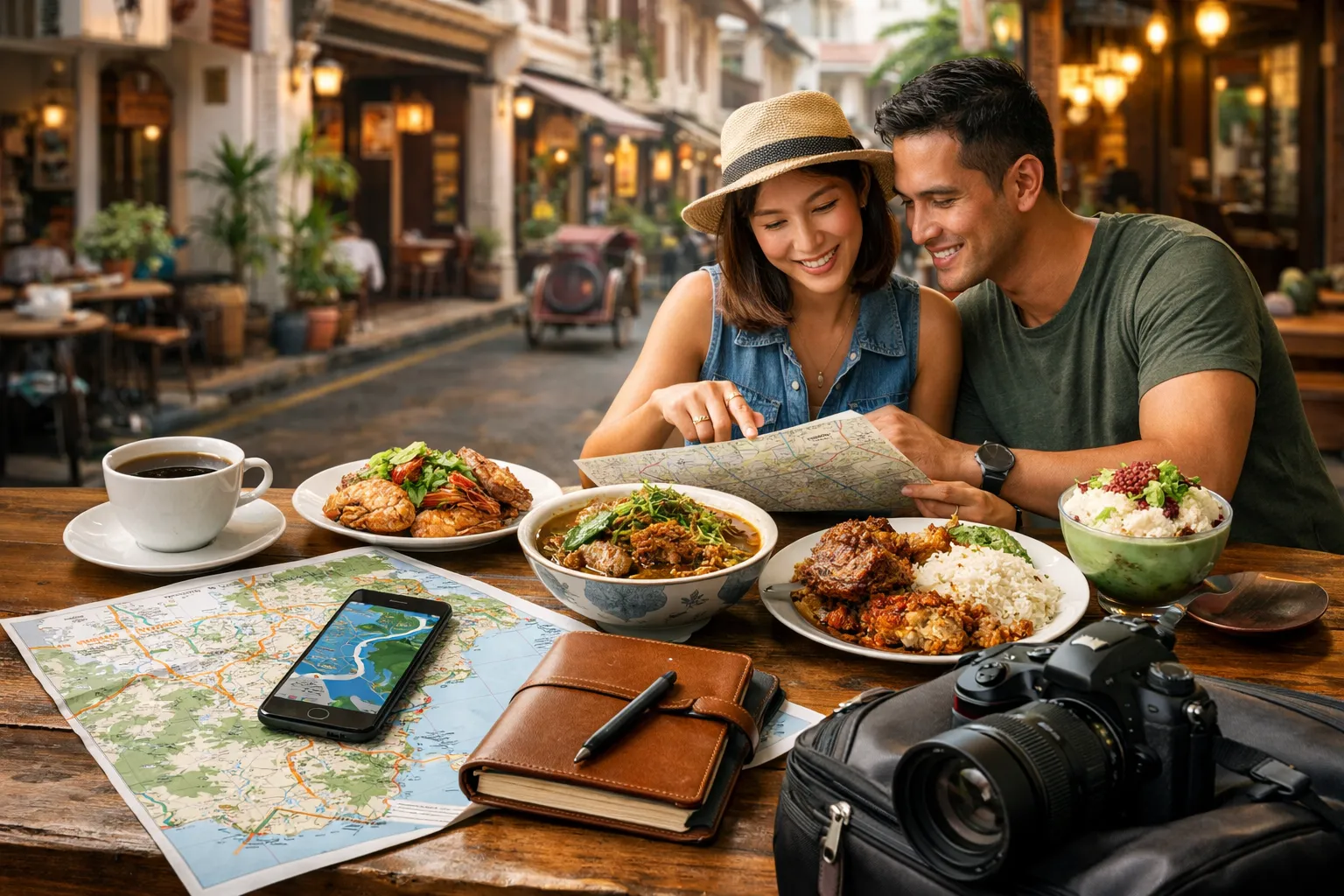
Penang, an island jewel off Malaysia’s northwest coast, has long captivated travelers with its rich history, vibrant street art, and, most importantly, its unparalleled culinary landscape. This guide is your definitive passport to unlocking Penang’s gastronomic soul, focusing on the essential elements that make it a world-renowned foodie destination. We will delve into why Penang reigns supreme as Asia’s foodie capital, explore carefully curated hotel and property options that cater specifically to foodies, and immerse ourselves in culinary adventures that go far beyond mere dining. From tracing the journey of ingredients from farm and sea to plate, to savoring the island’s evolving drink scene, this is your comprehensive exploration of Penang’s edible treasures. Prepare for an unforgettable travel experience where every meal tells a story and every stay enhances your culinary journey. With Penang contributing 7.6% of Malaysia’s Gross Domestic Product (GDP) in 2023 Department of Statistics Malaysia via Wikipedia, its economic significance underpins the robust infrastructure supporting its world-class food and tourism sectors.
The Heart of the Feast: Why Penang is Asia’s Foodie Capital
 A glimpse into the 17 delicious and affordable Penang street foods recommended by the Michelin Guide’s Bib Gourmand.
 Penang’s unique culinary identity is a fusion of Malay, Chinese, Indian, and Peranakan (Nyonya) flavors, creating dishes found nowhere else in the world.
Penang’s undisputed title as Asia’s foodie capital is not an overstatement; it’s a well-earned reputation built on a foundation of diverse cultural influences and an unwavering dedication to exceptional food. The island’s unique heritage as a historical trading port has infused its cuisine with a complex tapestry of Malay, Chinese, Indian, and Peranakan (Nyonya) flavors, creating a culinary fusion found nowhere else. This vibrant blend is evident in every corner, from the bustling hawker centers of George Town to the refined dining establishments.
The sheer density and quality of edible offerings are staggering. Penang boasts 17 foods that have been recognized by the Michelin Guide’s Bib Gourmand recommendations, a testament to the delicious and affordable food available across the island The Peak Magazine. This international recognition underscores the widespread excellence of Penang’s street food scene, a primary draw for foodies seeking authentic local experiences. The Malaysian foodservice market, in general, is experiencing substantial growth, projected to generate RM228.66 billion in revenue in 2023 with a CAGR of 7.95% through 2027 The Malaysian Entrepreneurs Festival, with Penang being a significant contributor to this national vitality. This dynamic environment ensures a constant evolution of flavors and dining experiences, appealing to both seasoned foodies and casual travelers alike. The island’s commitment to preserving its food heritage while embracing innovation makes it a compelling destination for anyone passionate about travel and gastronomy. This robust culinary ecosystem is further supported by Malaysia’s accommodation and food & beverage services contributing significantly to the national economy, as evidenced by RM446.6 billion in Q3 2023 Malaysia Restaurant Statistics.
Curated Culinary Havens: Penang’s Best Foodie Stays
For the discerning foodie traveler, Penang offers more than just exceptional dining; it provides hotels and properties that are destinations in themselves, deeply integrated with the island’s gastronomic soul. These are not just places to sleep but sanctuaries designed to enhance your culinary experience, offering direct access to authentic flavors, fresh ingredients, and the vibrant spirit of Penang. Choosing the right hotel can significantly elevate your travel experience, transforming a great meal into a memorable part of your overall foodie adventure. The island has seen significant expansion in accommodation, with 13 new hotels opening between August 2023 and 2025, adding 2,311 rooms and boosting the total supply to 22,500 rooms, catering to the growing influx of tourists seeking unique stays Travel Mole.
Heritage “Boutique Hotels” with Gastronomic Excellence:
Penang, particularly George Town, is a treasure trove of heritage architecture, and many of its boutique hotels have masterfully blended historical charm with sophisticated culinary offerings. These properties often occupy beautifully restored colonial buildings or traditional shophouses, immersing guests in the island’s rich past while providing a refined palate for its present-day cuisine. Staying in these hotels offers an intimate experience of Penang, where the architecture, ambiance, and on-site dining are all curated to reflect the local culture and heritage.
Many of these boutique hotels pride themselves on their in-house restaurants, which often serve elevated versions of local food, drawing inspiration from traditional recipes and presenting them with contemporary flair. Chefs at these establishments frequently champion the use of local and seasonal ingredients, ensuring that the cuisine is not only delicious but also deeply connected to the island’s produce. Some even offer specialized tastings or cooking classes that delve into the nuances of Peranakan or other heritage cuisines, providing an educational and flavorful experience. The strategic location of these boutique hotels within George Town’s UNESCO World Heritage site also places guests within walking distance of renowned hawker stalls and restaurants, making exploration effortless.
Stays Connected to the Source: “Farm-to-Table” & “Locally Sourced” Concepts
For foodies who prioritize the origin of their food, Penang offers properties that are intrinsically linked to the island’s agricultural and marine bounty. The “farm-to-table” and “locally sourced” movements are gaining traction, with several hotels actively forging partnerships with local farmers, fishermen, and artisanal producers. These properties often highlight their commitment to freshness, sustainability, and supporting the local economy.
Staying at a farm-to-table-oriented hotel means your dining experience is directly influenced by what’s in season and what’s available from nearby farms and the surrounding seas. Some hotels may even have their own organic gardens or collaborate with nearby durian farms, offering guests unique opportunities for tastings and direct engagement with the source of their food. For instance, guests might experience a breakfast featuring fruits picked that morning or enjoy seafood caught by local fishermen, showcasing an authentic “ocean-to-table” experience. These properties often go beyond just their dining rooms, organizing excursions to farms or markets, providing a holistic culinary experience that connects guests to the land and sea that nourish Penang. The growth in the Malaysian foodservice market, with projected delivery service growth at a 15.76% CAGR through 2031 Mordor Intelligence, also reflects a broader consumer interest in the origin and quality of food, a trend perfectly aligned with the farm-to-table ethos.
“Packages and Special Offers” for the Foodie Traveler:
Savvy foodie travelers will find that many Penang hotels offer specialized packages and special offers designed to cater to their interests. These packages can transform a standard stay into a comprehensive culinary adventure. Look for hotels that bundle accommodation with unique foodie experiences, such as guided street food tours, cooking classes focusing on local cuisine, market visits with a chef, or exclusive tastings of local delicacies and beverages.
These packages often provide excellent value, combining the convenience of pre-booked activities with insider access to Penang’s best food experiences. Some offers might include welcome foodie amenity baskets featuring local snacks and fruits, or even dining credits for the hotel’s signature restaurants. For those interested in exploring specific themes, like Nyonya cuisine or the island’s vibrant coffee culture, hotels may offer tailored itineraries or discounts on relevant activities. These thoughtfully designed packages are a fantastic way for foodies to maximize their travel experience and delve deeply into the culinary heart of Penang.
Strategically Located for Culinary Exploration:
Beyond their inherent gastronomic offerings, the location of a hotel plays a crucial role in a foodie’s travel plans. The most desirable properties for foodies are often situated in prime locations that offer unparalleled access to the island’s most celebrated eating destinations. George Town, a UNESCO World Heritage site, is a prime example, with its labyrinthine streets filled with hawker stalls, traditional eateries, and innovative restaurants.
Staying in the heart of George Town means spontaneous foodie adventures are always at your doorstep. Imagine stepping out of your hotel and being mere minutes away from iconic hawker centers like Gurney Drive or Kimberley Street, or being surrounded by charming cafes and restaurants serving diverse cuisines. Hotels in areas like Little India offer immediate immersion into the vibrant flavors of South Asia, while those closer to the Clan Jetties provide a glimpse into local life alongside delicious seafood. The convenience of a strategically located hotel allows foodies to maximize their time exploring, eating, and truly absorbing the culinary pulse of Penang without lengthy commutes, making every moment count. Hotel occupancy rates in Penang’s major coastal and urban hubs stabilizing between 70% and 90% during peak periods Travel And Tour World indicate a strong demand for quality accommodation that facilitates easy access to these culinary hotspots.
Immersive Culinary Adventures: Beyond Dining Out
Penang is a destination where food is not just sustenance; it’s an art form, a cultural cornerstone, and an experience to be savored in its myriad forms. Beyond the exceptional restaurants and hotels, the island offers a wealth of immersive culinary adventures that allow travelers to connect with its food on a deeper, more personal level. These experiences go beyond passive consumption, inviting active participation and a genuine engagement with the local food culture. From mastering the art of hawker food to understanding the journey of ingredients, these are the adventures that define a foodie trip to Penang. The estimated RM5 billion contribution of culinary tourism to Malaysia by 2025 Verified Market Research further emphasizes the significant value and growing potential of these immersive experiences.
The Iconic George Town Street Food Safari:
No foodie’s travel to Penang is complete without embarking on an iconic George Town street food safari. This is where the island’s culinary soul truly shines, offering an unparalleled sensory experience. George Town, a UNESCO World Heritage site, is a living testament to the enduring legacy of hawker food. Navigating its bustling streets is an adventure in itself, with aromas of various cuisines mingling in the air, drawing you from one delicious stall to the next.
Must-try dishes abound, each with its unique history and preparation. Seek out the legendary Char Kway Teow, stir-fried flat rice noodles with prawns, cockles, and bean sprouts; the tangy and spicy Asam Laksa, a fish-based noodle soup; the fragrant Nasi Kandar, a plate of steamed rice served with a variety of curries and side dishes; and the refreshing Cendol, a dessert of shaved ice, coconut milk, palm sugar, and green rice flour jelly. Iconic spots like Gurney Drive, Chulia Street, Kimberley Street, and the area around Air Itam market are pilgrimage sites for foodies. Engaging with local vendors, observing their craft, and savoring dishes prepared with generations of expertise is an essential part of the Penang experience. For first-time visitors, guided street food tours can be invaluable, offering insights into the best stalls, ordering etiquette, and the cultural context behind each dish.
Market to Plate: “Cooking Schools” & Ingredient Sourcing:
To truly understand the depth of Penang’s cuisine, participating in cooking schools and exploring ingredient sourcing is paramount. These experiences provide hands-on learning opportunities, demystifying the complexities of local dishes and fostering a deeper appreciation for the raw ingredients. Many cooking schools in Penang offer sessions that begin with a guided tour of a local wet market. Here, you’ll learn about the diverse array of fresh produce, seafood, meats, and spices that form the foundation of Penang’s flavorful cuisine.
Under the tutelage of experienced chefs, you’ll then learn to prepare classic Penang dishes, mastering techniques and understanding the balance of flavors. This process of engaging directly with ingredients and then transforming them into a delicious meal creates a profound connection to the food. It’s an experience that extends beyond simply eating; it’s about understanding the culture, the history, and the passion that goes into creating Penang’s celebrated food. These classes are not just educational; they are a fun and rewarding way to immerse yourself in the local culinary traditions and take home a valuable skill.
Penang’s Unique “Farm-to-Table” & “Ocean-to-Table” Experience:
Penang’s geographic position, blessed with fertile land and abundant seas, allows for exceptional “farm-to-table” and “ocean-to-table” experiences. Venturing beyond the city, travelers can connect directly with the sources of Penang’s celebrated food. The island is renowned for its tropical fruits, most famously durian. Visiting a durian farm, such as Bao Sheng Durian Farm, offers an incredible opportunity to sample different varietals directly from the trees, learning about the cultivation and nuances of this pungent king of fruits.
Beyond durian, Penang has numerous organic farms and spice gardens that welcome visitors. These excursions provide insights into how local produce is grown, the benefits of sustainable agriculture, and the ingredients that find their way into the island’s dishes. Similarly, understanding the “ocean-to-table” aspect involves appreciating the work of local fishermen. While direct farm visits might be less common for tourists, many seafood restaurants pride themselves on sourcing their catch daily from the surrounding waters. Some culinary tours or high-end restaurants may offer insights into this process, connecting the fresh bounty of the sea to the plate. These experiences offer a profound appreciation for the journey of food, from its natural origins to its final, delectable presentation. This connection to fresh, local ingredients is a hallmark of Penang’s distinct cuisine.
The Evolving Drink Scene: Coffee, Craft Cocktails & “Happy Hours”:
While Penang is globally celebrated for its food, its evolving drink scene is equally deserving of attention from foodies. The island has witnessed a significant rise in artisan coffee culture, with numerous independent cafes popping up across George Town and beyond. These establishments offer expertly brewed coffee, showcasing unique roasting techniques and latte art, providing a delightful contrast to the traditional kopi (coffee) found at hawker stalls.
Complementing the coffee scene is a burgeoning craft cocktail experience. Innovative bars and restaurants are pushing the boundaries, creating inventive cocktails that often incorporate local ingredients like tropical fruits, spices, and traditional liquors. These creative concoctions offer a new dimension to Penang’s culinary landscape, providing sophisticated pairings for a meal or a refreshing way to enjoy an evening. Look out for “happy hours” that feature these unique offerings, providing an excellent opportunity to sample the island’s mixology talents. Furthermore, while not as widespread as in some Western countries, the craft beer scene is emerging, with a few local breweries and dedicated bars offering a selection of independent brews. Exploring these diverse beverage offerings adds another layer to your Penang foodie travel, showcasing the island’s dynamic and sophisticated palate.
Crafting Your Penang Foodie Itinerary: A Sample Journey
Designing the perfect Penang foodie itinerary involves balancing iconic culinary experiences with cultural exploration and moments of relaxation. This sample journey focuses on immersion, blending the must-try food with unique experiences and strategically chosen stays.
Day 1: Arrival in George Town & Heritage Flavors Arrive in Penang and check into a heritage boutique hotel in the heart of George Town’s UNESCO World Heritage site. After settling in, begin your culinary journey with a guided street food tour. Explore the vibrant stalls on Chulia Street and Kimberley Street, sampling Char Kway Teow, Hokkien Mee, and Roti Canai. Enjoy a refreshing Cendol for dessert. In the evening, dine at a restaurant specializing in local Peranakan (Nyonya) cuisine, experiencing the complex flavors of this unique heritage.
Day 2: Market Exploration & Culinary Skills Start your day with an early visit to a local wet market to witness the vibrant trade of fresh produce. Follow this with a hands-on cooking class where you’ll learn to prepare several classic Penang dishes. Enjoy the fruits of your labor for lunch. In the afternoon, explore the street art of George Town, perhaps stopping for a craft coffee at a trendy cafe. For dinner, explore the diverse offerings in Little India, savoring authentic South Indian flavors.
Day 3: Island Flavors & Coastal Delights Rent a scooter or hire a driver to explore areas outside George Town. Visit a durian farm for a unique tasting experience (seasonal). Head towards the coast for an “ocean-to-table” seafood lunch at a restaurant in Batu Ferringhi or Teluk Bahang, enjoying the freshest catch. In the late afternoon, consider a visit to the Tropical Spice Garden for a sensory exploration of aromatic plants. In the evening, explore the hawker stalls at Gurney Drive for a different street food vibe.
Day 4: Modern Cuisine & Departure Enjoy a leisurely breakfast at your hotel, perhaps trying some local fruit juices. Spend the morning exploring any George Town sights you may have missed, or revisit a favorite foodie spot for a final taste. For lunch, consider a more contemporary restaurant that offers modern interpretations of Penang’s cuisine, showcasing the island’s evolving gastronomic landscape. Depart from Penang, filled with delicious memories. This itinerary offers a framework, adaptable based on your pace and specific interests, ensuring a rich foodie travel experience.
Essential Tips for the Discerning Foodie Traveler in Penang
To truly savor every aspect of your culinary travel experience in Penang, a few practical tips can make all the difference. Embracing an open mind and a prepared approach will ensure you get the most out of the island’s incredible food scene and vibrant culture.
Staying Hydrated & Healthy: Tips on enjoying Penang’s climate and “food,” including trying “local fruit” juices and ensuring food safety.
Penang’s tropical climate is warm and humid, so staying hydrated is paramount. Embrace the abundance of local fruit juices available everywhere, from hawker stalls to cafes. Freshly squeezed juices of mango, pineapple, watermelon, and passionfruit are not only delicious but also a healthy way to rehydrate. Try the unique “Michael Jackson” juice (a blend of starfruit and roselle) for a truly local treat.
When it comes to food safety, particularly with street food, trust your instincts. Opt for stalls that are busy, as high turnover usually indicates fresh ingredients. Observe the hygiene practices of the vendors. Many stalls have clear displays of their ingredients and preparation areas. Boiling and cooking methods common in Penang’s cuisine, such as stir-frying and deep-frying, generally reduce risks. However, always ensure that cooked food is served hot. When in doubt about tap water, stick to bottled water or beverages. Being mindful of these simple precautions allows you to fully enjoy the diverse and delicious food Penang offers without concern.
Embracing the “Local” Experience: Encourage an open mind and adventurous spirit when trying new “local foods” and engaging with the community.
The true magic of Penang’s foodie scene lies in its authenticity and the warmth of its people. To get the most out of your travel, cultivate an open mind and an adventurous spirit. Don’t shy away from trying dishes that might seem unfamiliar. Penang’s local foods are a reflection of its rich cultural tapestry, and each bite offers a story. From the complex spices in a Nasi Kandar to the unique textures of certain hawker dishes, every flavor contributes to the island’s gastronomic identity.
Engaging with the local community – the hawkers, restaurant owners, and fellow diners – can significantly enrich your experience. A smile, a few simple Malay or Hokkien phrases, and genuine curiosity can open doors to deeper insights and more meaningful interactions. Ask vendors about their specialties, how they prepare their dishes, or the history behind a particular cuisine. This direct engagement not only enhances your understanding of the food but also fosters a connection with the heart and soul of Penang. Embracing the local way of life, including its food culture, is the most rewarding aspect of travel in this captivating destination.
Conclusion: Your Unforgettable Penang Culinary Journey Awaits
Penang stands as a vibrant testament to the power of food as a cultural unifier and a primary tourist draw. This island paradise offers a culinary experience that is both deeply rooted in tradition and excitingly innovative. From the iconic street food that has earned it global acclaim to the sophisticated boutique hotels and immersive farm-to-table experiences, Penang caters to every palate and travel style.
Recap of a Foodie’s Paradise: Briefly reiterate Penang’s unique blend of vibrant “food,” rich “culture,” and unforgettable “experiences.”
Penang is undeniably a foodie’s paradise, where the island’s rich culture, shaped by centuries of diverse influences, is most vibrantly expressed through its extraordinary food. The UNESCO World Heritage status of George Town provides a stunning backdrop for this gastronomic journey, with every street corner offering a new flavor to discover. Whether you’re exploring bustling hawker centers, participating in cooking classes, or savoring dishes made with ingredients sourced directly from local farms and the sea, the experiences in Penang are designed to be profoundly memorable. The island’s commitment to preserving its culinary heritage while embracing modern influences ensures a dynamic and ever-evolving landscape for food lovers.
As you plan your travel to Penang, remember that the true essence of this destination lies not just in what you eat, but in how you engage with the food, the people, and the rich heritage that makes it all possible. The thoughtfully curated hotel properties and diverse culinary adventures outlined here offer a starting point for crafting an itinerary that promises an unforgettable Penang foodie experience. Prepare to be delighted, surprised, and thoroughly satisfied as you embark on your own delicious exploration of this Malaysian gem.