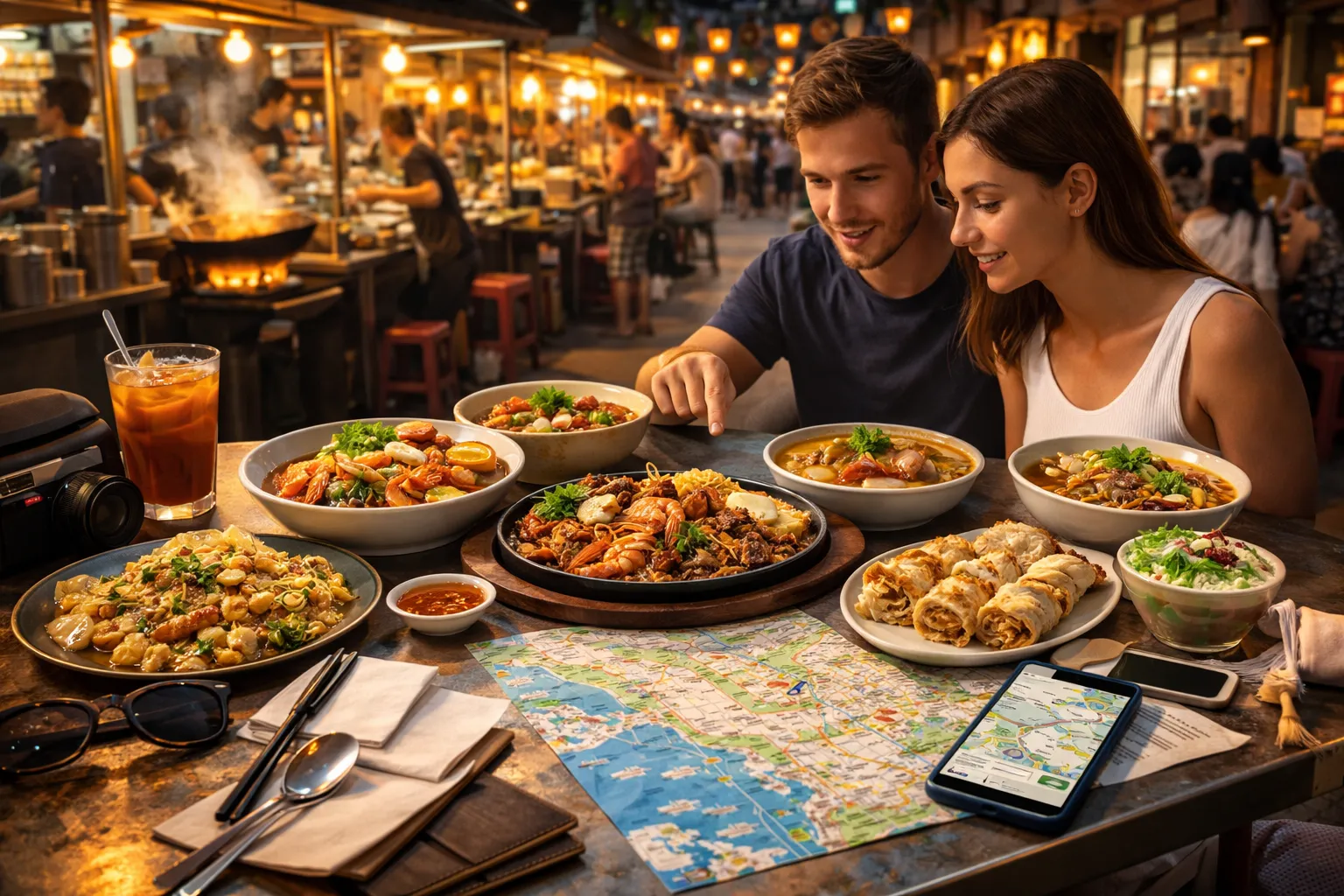
Welcome to Penang: Asia’s Culinary Heartbeat
Welcome to Penang, an island that pulses with the rhythm of the sea, the vibrant colours of its heritage streets, and, most importantly, the irresistible aroma of its world-renowned hawker food. Often hailed as Malaysia’s food capital, Penang is a destination that draws travellers not just for its UNESCO-listed heritage sites and stunning coastlines, but for a culinary pilgrimage. At the heart of this gastronomic identity lies its extraordinary hawker culture, a dynamic ecosystem of flavours, traditions, and people that defines the island’s soul. This comprehensive guide is crafted for first-timers, offering an essential roadmap to navigate the bustling hawker centers, discover iconic dishes, and truly immerse yourselves in the authentic Penang food experience. We will explore what makes Penang a unique foodie paradise, provide practical tips for your culinary adventures, highlight the absolute must-try dishes, introduce you to the most celebrated hawker spots, and offer insights into mastering the local ordering etiquette. Prepare to embark on a delicious journey through the vibrant heart of Penang.
Why Penang is a Foodie Paradise for First-Time Travelers
 Penang’s unique flavor is a delicious fusion of Malay, Chinese, Indian, and Peranakan culinary traditions.
Penang’s reputation as a global culinary hotspot is well-earned, built on a foundation of rich multicultural influences and an unwavering dedication to flavour. This island state in Malaysia offers a unique gastronomic tapestry, a direct reflection of its history as a vital trading port. Here, Malay, Chinese, Indian, and Peranakan (Straits Chinese) traditions have converged over centuries, each contributing distinct ingredients, cooking techniques, and flavour profiles to create a cuisine that is both complex and harmonious. This melting pot of influences is most vibrantly expressed through its hawker food, offering an unparalleled variety that satisfies every palate. The sheer diversity means you can experience a spectrum of tastes, from the fiery spices of Indian curries to the delicate balance of sweet, sour, and savoury in Chinese-influenced dishes, all served with the characteristic Penang flair. Furthermore, the affordability of Penang’s hawker food is a significant draw. For a fraction of the cost of a typical restaurant meal elsewhere, travellers can indulge in high-quality, authentic dishes, making it an accessible paradise for any budget-conscious foodie. This accessibility, combined with the sheer excellence of the cuisine, solidifies Penang’s status as a must-visit destination for anyone seeking an unforgettable culinary adventure. It’s a place where food is not merely sustenance but a vital part of the island’s identity and a primary reason for people to visit.
The Irresistible Allure of Penang’s Hawker Culture
Penang’s hawker culture is more than just a collection of food stalls; it’s a living, breathing entity that embodies the island’s spirit. These vibrant open-air food courts and roadside stalls are the epicenters of local life, buzzing with activity from morning till late night. The appeal lies in a multi-sensory experience: the symphony of clanging woks, the hiss of steam, the dazzling array of colours from fresh produce and prepared dishes, and the intoxicating mingling of countless aromas – from the rich fragrance of simmering broths to the smoky char of grilled meats. This environment is inherently social. Hawker centers are where locals gather to eat, chat, and unwind, fostering a strong sense of community. For visitors, it’s an unparalleled opportunity to witness and participate in daily life, observing the interactions between vendors and patrons, and soaking in the lively atmosphere. The authenticity of the food is paramount; many hawker stalls are family-run businesses, passed down through generations, preserving traditional recipes and cooking methods. This dedication ensures that the dishes served are true to their origins, offering a genuine taste of Penang. The informal nature of hawker dining, often involving shared tables and a communal spirit, creates a welcoming and unpretentious setting. It’s a place where you can truly connect with the local culture and its people through the universal language of food. The sheer volume of vendors means an almost overwhelming variety of dishes is available, encouraging exploration and discovery. This vibrant, democratic approach to dining makes Penang’s hawker culture utterly captivating for any visitor.
Preparing for Your Hawker Adventure: Essential Tips Before You Go
Embarking on your Penang hawker food journey is an exhilarating prospect, but a little preparation can significantly enhance your experience. Understanding the nuances of when to visit, what to bring, how to budget, and even a few local phrases can transform your culinary exploration from good to exceptional. This section provides actionable advice to ensure you approach the bustling hawker centers with confidence and make the most of every delicious bite.
When to Visit: Timing Your Feast for the Best Experience
The timing of your visit to Penang’s hawker centers can greatly influence your experience. Most hawker centers operate throughout the day, with many shifting focus from daytime to nighttime specialties. For breakfast and lunch, popular spots often start bustling by 9 AM. Consider visiting between 11 AM and 2 PM for the midday rush, where food is typically at its freshest due to high turnover. This is also when you can observe the local lunch crowd. For dinner, the scene truly comes alive as the sun sets. Many street markets and hawker stalls, particularly in areas like Chulia Street and Kimberley Street, begin to set up around 5 PM and are in full swing by 7 PM. They often operate until midnight or later. Weekends and public holidays naturally see larger crowds, so if you prefer a slightly less chaotic experience, weekdays are generally more manageable. Some stalls may close on specific days of the week, often a Monday, so it’s worth observing local patterns or asking around if you have a specific stall in mind. Embracing the peak hours, however, often means experiencing the hawker centers at their most vibrant and energetic. The “peak-hour advantage” means food prepared during busy times is fresher, a crucial factor in hawker dining.
What to Bring: Your Hawker Essentials Kit
Packing smart for a hawker centre visit ensures comfort and preparedness. The most essential item is cash; while some vendors may accept digital payments, cash is still king and often preferred, especially at smaller stalls. Penang’s street food vendors are often found in areas where card transactions are not yet prevalent. Bring small denominations of Malaysian Ringgit (MYR) to make transactions smoother. Wet wipes and hand sanitizer are also crucial for maintaining hygiene before and after eating, especially given the casual nature of outdoor dining. Don’t forget a reusable water bottle to stay hydrated, as you’ll likely be doing a lot of walking and eating. A small foldable bag can be useful for any purchases or leftovers. Finally, and perhaps most importantly, bring a healthy appetite and an open mind. The variety is immense, and the best experiences often come from trying new and unexpected dishes.
Budgeting for Your Bites: How Much to Expect
One of the greatest appeals of Penang’s hawker food is its incredible affordability. You can easily enjoy a full day of eating and still spend less than a single meal at a restaurant in many Western countries. Main dishes, such as noodles or rice plates, typically range from RM5 to RM7 (approximately $1-2 USD). More elaborate dishes or those with premium ingredients might cost a little more, perhaps up to RM10-15. Drinks like fresh juices, iced coffee (kopi ais), or teh tarik are usually priced between RM2 and RM5. For a first-timer, planning for around RM30-50 per person per day should comfortably cover multiple meals, snacks, and drinks, allowing for generous sampling. This cost-effective approach to dining allows you to be adventurous and try a wider array of dishes without breaking the bank. This affordability is a key factor in making Penang such an accessible culinary destination.
A Taste of Local Lingo: Essential Phrases for Ordering
While many hawker vendors are accustomed to tourists and often communicate through gestures, knowing a few basic Malay and Hokkien phrases can greatly enhance your ordering experience and show respect for local culture.
- “Boleh bagi saya…” (Can I have…) – followed by the name of the dish.
- “Nak…” (Want…) – a simpler way to order.
- “Tapau” – means “takeaway.”
- “Makan sini” – means “eat here.”
- “Tambah” – means “add more” (e.g., “tambah sambal” – add more chili paste).
- “Kurang” – means “less” (e.g., “kurang pedas” – less spicy).
- “Tak nak…” – means “don’t want…” (e.g., “tak nak taugeh” – don’t want bean sprouts).
- “Berapa?” – means “How much?”
In Hokkien (the dominant Chinese dialect in Penang), common ordering terms include:
- “Ya” (Yes)
- “Boh” (No)
- “Chio” (Delicious)
- “Kia” (Child/kid, often used when calling out to young vendors or servers)
Don’t be afraid to point to dishes or use your fingers to indicate quantity. Vendors appreciate the effort, and it’s all part of the fun and authentic experience of interacting with the local people.
The Iconic Five: Must-Try Dishes for Every First-Timer
Penang’s culinary landscape is vast, but there are certain dishes that stand out as essential experiences for any visitor. These five iconic dishes represent the pinnacle of Penang’s hawker cuisine, showcasing the island’s unique flavour profiles and masterful cooking techniques. Trying these will give you a fundamental understanding of what makes Penang a foodie paradise.
Char Kway Teow: The Stir-Fried Noodle Masterpiece
Char Kway Teow is arguably Penang’s most famous hawker dish, and for good reason. This stir-fried flat rice noodle dish is a symphony of textures and flavours, characterized by its smoky “wok hei” – the distinctive aroma and taste imparted by a searing hot wok. At its core, it’s made with flat rice noodles (kway teow) stir-fried with prawns, cockles, bean sprouts, chives, egg, and a dark soy sauce mixture. The magic lies in the execution: the noodles are quickly cooked over extremely high heat, achieving a delightful char and tender chewiness. The addition of lard, once a common ingredient, contributes to its rich flavour and texture, though many modern vendors offer versions with vegetable oil. A good Char Kway Teow should be moist but not swimming in sauce, with distinct smoky notes and a perfect balance of savoury, sweet, and sometimes a hint of spice.
Penang Asam Laksa: A Tangy and Spicy Sensation
Penang Asam Laksa is a dish that embodies the island’s bold flavour preferences. Unlike the coconut milk-based laksa found elsewhere in Malaysia, Penang’s version is a vibrant, sour, and spicy fish-based soup. The broth is made from mackerel or sardines, simmered to create a rich, flavourful base, then infused with tamarind paste (asam) for its characteristic tanginess. Key aromatics include lemongrass, galangal, chili, and a generous amount of fresh herbs like mint and Vietnamese coriander (daun kesum). It’s typically served with thick rice noodles (laksa noodles), topped with cucumber, onion, pineapple, and a dollop of shrimp paste (hae ko). The interplay of sour, spicy, and savoury notes, combined with the fresh garnishes, creates an intensely refreshing and addictive dish. It’s a true testament to the unique cuisine of Penang.
Hokkien Mee (Penang Prawn Mee): A Flavorful Broth Delight
Penang Hokkien Mee, also known as Penang Prawn Mee, is a comforting and flavourful noodle soup that is a staple in Penang hawker culture. The soul of this dish lies in its rich, prawn-based broth. The broth is meticulously prepared by simmering prawn shells and heads, pork ribs, and aromatics for hours, resulting in a deeply savoury and slightly sweet soup. It’s typically served with a combination of yellow noodles and rice vermicelli, topped with succulent prawns, slices of pork, hard-boiled egg, and kangkung (water spinach). A crucial element that elevates Penang Hokkien Mee is the sambal chili paste served on the side, allowing diners to customize their desired level of spiciness. The combination of the flavourful soup, perfectly cooked noodles, fresh toppings, and the optional kick of sambal makes it a deeply satisfying meal.
Penang White Curry Noodle: Creamy, Spicy Perfection
Penang White Curry Noodle, also known as “White Mee Curry,” offers a distinct and delightful alternative to the more common red curry noodles. This dish features a creamy, coconut milk-based broth that is less fiery than its red counterpart but still boasts a complex blend of spices. The broth is often made with a base of dried shrimp, chili paste, coconut milk, and a secret blend of spices that gives it a unique aroma and flavour. It’s typically served with yellow noodles and vermicelli, topped with ingredients such as prawns, cockles, squid, tofu pok (fried tofu puffs), and a hard-boiled egg. A crucial accompaniment is the sambal, allowing for an adjustable level of heat. The creamy richness of the broth combined with the fresh ingredients and a hint of spice creates a truly comforting and addictive noodle dish, showcasing another facet of Penang’s diverse cuisine.
 Follow these simple steps to order like a local at any Penang hawker center.
Penang Road Famous Cendol: A Sweet & Cooling Treat
No culinary tour of Penang would be complete without a visit to Penang Road Famous Teochew Chendul. This iconic dessert stall has been serving its signature cendol since 1936, making it a beloved institution. Cendol is a refreshing dessert made from shaved ice, topped with green jelly noodles (made from rice flour and pandan extract), sweet red beans, and drizzled with rich coconut milk and gula melaka (palm sugar syrup). The result is a delightful balance of creamy, sweet, and cooling sensations. The stall’s distinctive green cendol is a vibrant contrast to the rich brown gula melaka. It’s the perfect antidote to Penang’s tropical heat and a sweet, satisfying conclusion to any hawker meal. It’s more than just a dessert; it’s an experience steeped in history and local tradition.
Expanding Your Palate: Beyond the Big Five for Deeper Exploration
While the “Iconic Five” offer a fantastic introduction, Penang’s culinary depth extends far beyond these celebrated dishes. To truly immerse yourself in the island’s gastronomic offerings, venturing into these other popular and delicious items is highly recommended. These dishes showcase further diversity and regional specialties, offering a more comprehensive understanding of Penang’s cuisine.
Nasi Lemak: Malaysia’s National Dish
Though found throughout Malaysia, Nasi Lemak in Penang has its own distinct character. The base is fragrant rice cooked in coconut milk and pandan leaf, served with a side of spicy anchovy sambal. What sets Penang’s version apart are the accompaniments, which can include fried chicken (ayam goreng), beef rendang, or ikan bilis (fried anchovies). Often, it’s also served with a hard-boiled or fried egg, cucumber slices, and toasted peanuts. While the classic version is ubiquitous, you can find Nasi Kandar stalls that offer a ‘Penang-style’ Nasi Lemak experience, where you choose from a wide array of curries and side dishes to ladle over your rice, creating a personalized and flavour-packed meal.
Satay: Skewered Delights with Peanut Sauce
Satay is a popular Malaysian street food consisting of marinated, skewered, and grilled meat – commonly chicken, beef, or lamb. The skewers are grilled over charcoal, imparting a smoky flavour, and then served with a rich, flavourful peanut sauce. Penang’s satay is often noted for its tender meat and the unique texture of its peanut sauce, which can sometimes be slightly more watery than those found in other regions, yet still bursting with peanut flavour. The accompanying peanut sauce is usually a blend of ground peanuts, chili, garlic, shallots, and tamarind, creating a sweet, savoury, and slightly tangy dip. It’s an ideal appetizer or light meal, perfect for sharing and enjoying with a cold drink.
Roti Canai & Apom: Breakfast and Snack Essentials
For breakfast or a light snack, Roti Canai and Apom are quintessential Malaysian choices readily available at hawker centers and kopitiams. Roti Canai is a flaky, pan-fried flatbread, often served with dhal (lentil curry) or other types of curry. It’s a versatile dish, enjoyed plain, with egg (roti telur), or with condensed milk. Apom, or Appam, is a type of savory rice pancake that is crispy on the edges and soft in the center. It’s typically made from fermented rice batter and coconut milk, often enjoyed plain or with a touch of sugar. These simple yet delicious options offer a taste of everyday Malaysian comfort food.
Kueh Pie Tee & Loh Bak: Crispy and Savory Bites
Kueh Pie Tee are delicate, crispy-bottomed cups made from a thin, flour-based pastry, filled with a mixture of finely shredded turnip, carrots, and sometimes shrimp, then topped with chili sauce and sweet sauce. They offer a delightful crunch followed by a savoury filling. Loh Bak, on the other hand, refers to marinated meat rolls, typically pork, seasoned with five-spice powder and then deep-fried until golden brown and crispy. They are usually served with a sweet chili sauce or a side of pickled ginger. Both Kueh Pie Tee and Loh Bak are popular choices for appetisers or as part of a larger hawker spread, providing a contrast of textures and satisfying savoury flavours.
MEE GORENG MAMAK-STYLE: A Zesty Noodle Experience
Mee Goreng Mamak is a flavourful stir-fried noodle dish influenced by Indian Muslim (Mamak) cuisine. It typically features yellow noodles stir-fried with an array of ingredients like tofu, potatoes, egg, and sometimes shrimp or chicken, all tossed in a zesty, slightly sweet, and savoury sauce often made with tomato paste, chili sauce, and soy sauce. It’s characterized by its distinctive aroma and a touch of spiciness, making it a popular and satisfying choice for those who enjoy bold flavours. The generous use of spices and the unique sauce blend give it a flavour profile distinct from other noodle dishes.
Kopi Ais and Other Thirst Quenchers
No hawker food experience is complete without a refreshing beverage. Kopi Ais (iced coffee) is a beloved choice, a potent blend of local coffee, condensed milk, and sugar, served over ice. Teh Tarik, meaning “pulled tea,” is another Malaysian favourite – a sweet, frothy milk tea that is expertly “pulled” between two vessels to create a smooth texture. Beyond these, fresh fruit juices are abundant, offering a healthy and delicious way to cool down, with popular choices including watermelon, pineapple, and lime. These drinks are not just beverages; they are integral parts of the Penang hawker experience, complementing the rich flavours of the food.
Navigating Penang’s Premier Hawker Centers for First-Timers
Penang is dotted with numerous hawker centers, each offering its unique atmosphere and culinary highlights. For first-timers, understanding the distinct characteristics of the most popular spots can help guide your exploration. These locations are not just places to eat; they are cultural landmarks that offer a glimpse into the heart of Penang’s vibrant food scene and its people.
Gurney Drive Hawker Centre: The Iconic Seaside Feast
Gurney Drive Hawker Centre, also known as Persiaran Gurney, is perhaps Penang’s most famous and iconic hawker destination. Located along the scenic waterfront, it offers a wide array of Penang’s signature dishes. With approximately 100 stalls, it’s a one-stop location to sample a vast selection of local must-eats, making it incredibly convenient for tourists. While some argue it has become more tourist-oriented over the years, it remains a vibrant place to experience a broad spectrum of Penang’s culinary offerings, from Char Kway Teow and Asam Laksa to satay and rojak. The seaside ambiance adds a unique charm, especially during sunset. It’s a place of conciliation of all Penang delicacies for tourists seeking a comprehensive hawker experience.
Chulia Street Night Hawker Stalls: Bustling Evening Bites in George Town
Chulia Street in George Town transforms into a bustling hawker hub as dusk settles. This lively street is a magnet for food lovers, offering a diverse range of local delicacies. It’s particularly known for its energetic atmosphere, with rows of stalls lining the street, creating a vibrant nighttime street food scene. Here, you can find excellent renditions of Penang’s classics, alongside regional specialties and unique creations. The experience of dining at Chulia Street is deeply immersive, surrounded by the sounds and sights of George Town at night, making it a prime spot for an evening food tour. It offers a quintessential George Town street food experience.
Kimberley Street Food Night Market: Heritage & Flavor
Kimberley Street comes alive at night, transforming into another vibrant food market renowned for its heritage and flavour. This street is a popular destination for both locals and tourists seeking authentic Penang street food. It’s famous for dishes like duck egg char kway teow, koay teow th’ng (noodle soup), and the delectable orange juice stalls. The market provides a delightful sensory overload, with the enticing aromas and the lively buzz of people enjoying their meals. It’s a fantastic place to experience a more traditional, old-school hawker environment, steeped in the history of George Town.
Cecil Street Market (Pasar Lebuh Cecil): A Local’s Hidden Gem
For a more authentic, local experience away from the main tourist crowds, Cecil Street Market (Pasar Lebuh Cecil) is an excellent choice. This bustling market is a hub for locals throughout the day and houses a fantastic array of hawker stalls, particularly popular for breakfast and lunch. It offers some of the most authentic and flavourful versions of Penang’s classic dishes, often at slightly lower prices than more tourist-focused areas. Exploring Cecil Street Market provides a genuine insight into the daily culinary life of Penangites and is a great place to discover hidden gems and support local vendors.
Joo Hooi Cafe & Toh Soon Cafe: The Kopitiam Experience
While not traditional “hawker centres” in the open-air market sense, traditional kopitiams (coffee shops) like Joo Hooi Cafe and Toh Soon Cafe are integral to the Penang hawker experience. These establishments often house a collective of hawker stalls, with each stall specializing in a particular dish. Joo Hooi Cafe, for instance, is famous for its asam laksa and cendol, often enjoyed side-by-side. Toh Soon Cafe is known for its unique charcoal-grilled bread and coffee. These kopitiams offer a communal dining space where you can order dishes from multiple stalls to your table. They represent the traditional social hubs of Penang, where food and conversation flow freely, providing a more relaxed and intimate way to sample the island’s cuisine.
Mastering the Hawker Experience: A First-Timer’s Playbook
The hawker center experience in Penang is a unique cultural immersion, characterized by its lively atmosphere, bustling crowds, and the sheer variety of food on offer. For a first-timer, it can seem a little overwhelming, but with a few key insights into the etiquette and customs, you can navigate it with ease and fully embrace the adventure.
The Art of Ordering: From Pointing to Personalizing
Ordering at a hawker center is an art form that combines observation, communication, and a dash of daring. The most straightforward method is pointing. Simply walk up to a stall, point at the dish you want, and indicate the quantity (usually one portion is assumed unless you specify otherwise). Many vendors display their dishes, making this easy. If you can, learn the names of the dishes you wish to order.
When ordering, you’ll need to decide if you’re eating there (“makan sini”) or taking away (“tapau”). If you’re eating in, you’ll need to find a table first. This can be a challenge during peak hours. A common practice is to “chope” (reserve) a table by placing a packet of tissues or an umbrella on it while you order. Be mindful of communal seating; you might be sharing a table with strangers.
Don’t hesitate to ask for modifications, though they are not always possible depending on the dish and the vendor’s flexibility. For instance, you can request “kurang pedas” (less spicy) or ask to omit certain ingredients if you have allergies or strong preferences. Remember, the vendors are skilled professionals, and their goal is to serve you efficiently and deliciously. Understanding the ordering process is key to a smooth and enjoyable experience.
Final Thoughts
Penang’s hawker centers are far more than just places to eat; they are vibrant cultural institutions that offer a profound connection to the island’s heritage, its people, and its soul. This guide has aimed to equip first-timers with the essential knowledge to navigate this delicious landscape, from understanding why Penang is a culinary paradise to mastering the art of ordering. You’ve explored the iconic dishes that define Penang’s gastronomic identity – from the smoky allure of Char Kway Teow to the tangy punch of Asam Laksa and the cooling sweetness of Cendol. You’ve been introduced to premier hawker spots like Gurney Drive and Chulia Street, each offering a unique slice of the Penang food experience. Remember that the true magic lies in embracing the atmosphere, interacting with the friendly locals, and being adventurous with your culinary choices. The informal workforce of hawkers, comprising a significant portion of Malaysia’s informal economy, plays a vital role in this ecosystem, with studies showing high standards of food handling practices among them, reassuring visitors about hygiene. The rapid increase in international tourism, particularly from markets like China, underscores the global appeal of Penang’s food scene, driving economic growth in its robust Food & Beverage sector, which generated substantial revenue in 2023. Furthermore, Penang’s recognition, such as the UNESCO Asia-Pacific Award for Cultural Heritage Conservation, highlights its commitment to preserving its unique identity, which is inextricably linked to its food. As you plan your own food tour, consider creating a personalized itinerary, perhaps starting with a classic George Town street food crawl. The online food delivery market’s growth also signifies the evolving ways people access food, though the authentic hawker centre experience remains unparalleled. Your culinary journey in Penang promises to be a feast for the senses, a deep dive into local culture, and an unforgettable gastronomic adventure. So, pack your appetite, your sense of curiosity, and dive in – Penang’s hawker delights await.