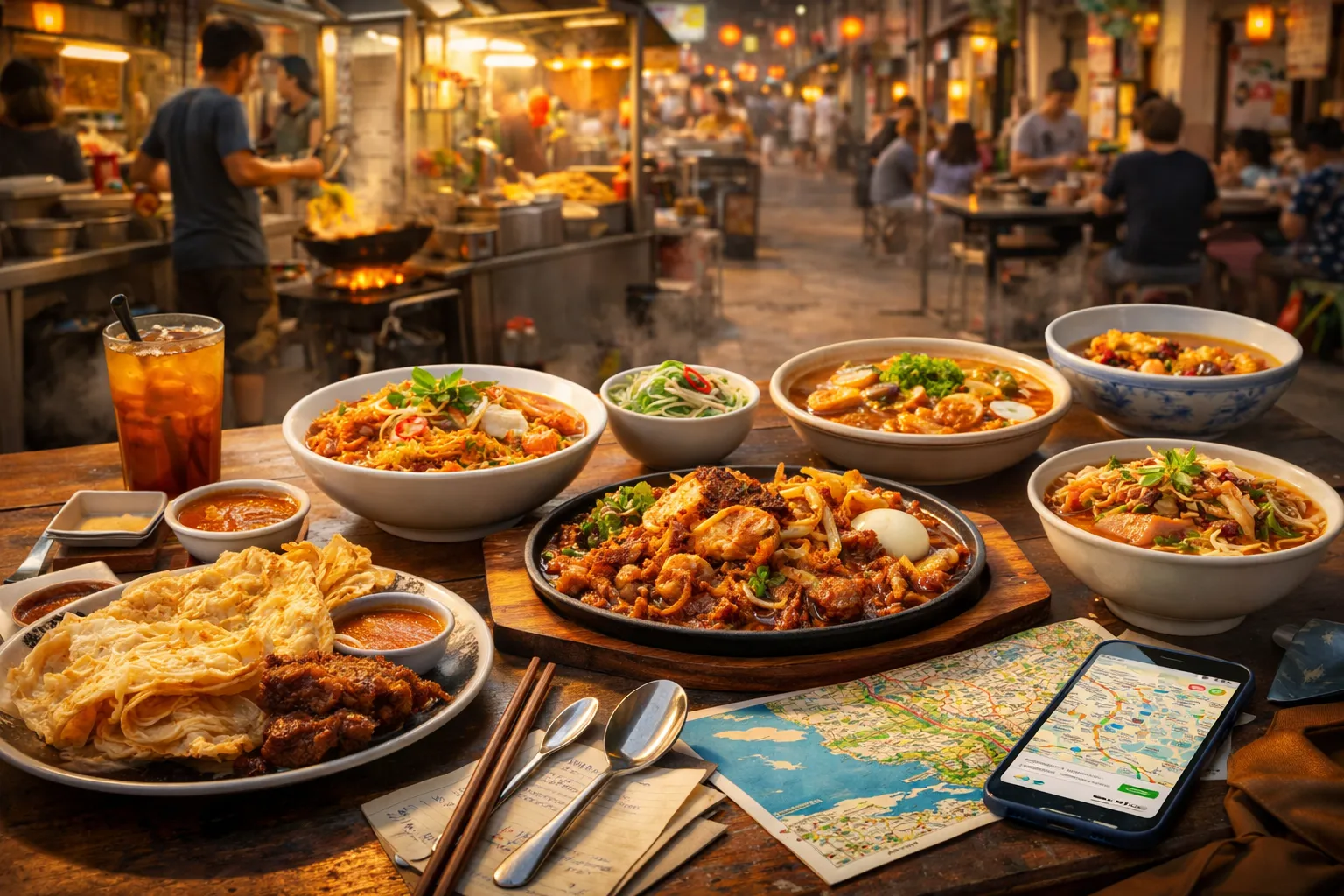
Penang – Asia’s Culinary Heartbeat
Penang, a vibrant island state in Malaysia, is universally celebrated as a gastronomic paradise, a place where culinary traditions intertwine with a rich cultural tapestry to create an unparalleled food experience. Often dubbed “Asia’s Culinary Heartbeat,” Penang has carved out a global reputation not just for its stunning heritage sites and beautiful beaches, but primarily for its extraordinary food scene. From the fiery dance of woks at bustling hawker centres to the delicate artistry of Peranakan cuisine, Penang offers a diverse and accessible culinary adventure. This island’s food tells the story of its history, its people, and its unique position as a melting pot of Malay, Chinese, Indian, and Nyonya influences. It’s a destination where dining is not merely sustenance but a cultural immersion, a journey of discovery for every customer. This ultimate guide is designed to equip you with the knowledge to navigate Penang’s legendary food landscape, ensuring your travel is as flavorful as it is unforgettable. We will explore the iconic street food staples, delve into the sophisticated world of Peranakan dishes, discover the freshest seafood delights, and reveal where to find them, all while offering practical tips to enhance your culinary tour.
Why Penang’s Food Scene is Unparalleled: A Melting Pot of Flavors and History
 Penang’s popularity as a tourist destination, largely driven by its food scene, has seen significant year-over-year growth.
 Penang’s unique cuisine is a ‘melting pot’ of Malay, Chinese, Indian, and Peranakan (Nyonya) culinary traditions.
Penang’s food identity is intrinsically linked to its historical significance as a trading port. For centuries, traders from across Asia and Europe passed through its shores, each leaving an indelible mark on the local culture and, most importantly, its cuisine. This constant exchange of ideas and ingredients fostered a unique culinary fusion. Malay spices, Chinese cooking techniques, Indian curries, and the distinct flavors of the Peranakan or Nyonya culture – a blend of Chinese immigrants and local Malay women – all converged here. This rich heritage means that a single meal in Penang can offer a spectrum of tastes, textures, and aromas, reflecting the island’s diverse inhabitants. The accessibility and affordability are also key. Eating here isn’t about white tablecloths or Michelin stars; it’s about smoky woks, handwritten menus, plastic stools, and recipes passed down through generations. The sheer volume of highly skilled hawker operators ensures a high standard across the board, offering an incredible value proposition. A total of 8,237,072 tourists stayed in hotels across Penang in 2024, an impressive 13.3% increase from 7,272,526 in 2023 Buletin Mutiara (citing Tourism Malaysia), June 2025. This influx of visitors underscores Penang’s appeal, with food being a primary draw. Furthermore, Penang recorded 13.1 million domestic tourist arrivals in 2023, an increase from 10.0 million in 2022 Department of Statistics Malaysia, CEIC, 2023, demonstrating the enduring love for its culinary offerings among Malaysians themselves. These figures point to a vibrant culinary ecosystem that thrives on both local passion and international appreciation.
Your Journey Begins: What This Ultimate Food Guide Offers
This guide aims to be your comprehensive companion for exploring Penang’s culinary wonders. We go beyond simple lists of dishes; we delve into the essence of what makes each plate iconic, providing insights into their origins, key ingredients, and distinctive flavors. You’ll discover not only the must-try street food that has earned Penang its global acclaim but also explore the refined elegance of Peranakan cuisine and the ocean’s freshest offerings. Furthermore, this guide will illuminate the broader experience of dining in Penang, from navigating bustling hawker centres to appreciating the art of local eateries and aesthetic cafes. We will also offer practical advice on planning your culinary tour, ensuring you can choose the best routes and make the most of your travel. Whether you’re a first-time visitor or a seasoned foodie, this guide provides the roadmap to an unforgettable gastronomic adventure. We will highlight specific locations known for their authenticity and quality, helping you make informed decisions at every turn.
The Iconic Staples: Essential Penang Street Food Experiences
Penang’s street food is legendary, a vibrant ecosystem that reflects the island’s soul. These dishes are more than just meals; they are edible stories, passed down through generations, perfected in the fiery embrace of hawker stalls. The sensory overload of a Penang hawker centre – the symphony of sizzling woks, the fragrant steam rising, the chatter of diners, and the colorful array of dishes – is an experience in itself. These are the cornerstones of any Penang food journey, offering an authentic taste of the island.
Char Kway Teow: The Smokey, Wok-Kissed Noodle Legend
If there’s one dish that embodies Penang street food, it’s Char Kway Teow. This stir-fried noodle dish is a testament to the power of simplicity and skillful execution. The magic lies in “wok hei,” the smoky aroma imparted from a searing hot wok seasoned over years of use. Flat rice noodles are stir-fried with fresh prawns, cockles, Chinese chives, bean sprouts, and sometimes sliced fish cakes or lap cheong (Chinese sausage), all coated in a savory, slightly sweet dark soy sauce. The key is the balance: the noodles should be tender yet slightly chewy, the ingredients fresh, and the wok hei pronounced. Many hawkers guard their recipes and wok-seasoning techniques closely, making each plate a unique creation. While found elsewhere, Penang’s version is often considered the benchmark, a truly essential experience.
Penang Assam Laksa: A Symphony of Tangy, Spicy Broth
Penang Assam Laksa is a dish that defies easy description, offering a complex flavor profile that is both refreshing and invigorating. Unlike the creamy coconut-based laksa found in other parts of Malaysia, Penang’s version features a sour and spicy broth made from fish (often mackerel), tamarind, lemongrass, galangal, chilies, and a host of other aromatic ingredients. It’s served with thick rice noodles and a generous topping of fresh vegetables like cucumber, pineapple, onions, mint, and torch ginger flower, which adds a distinct floral note. The explosion of tangy, spicy, and savory flavors is addictive. This dish is a true representation of Penang’s culinary ingenuity, offering a bold and unforgettable taste that will turn your perception of noodle soups.
Hokkien Mee (Penang Prawn Mee): Rich Broth, Unforgettable Flavor
Penang’s Hokkien Mee, also known as Har Mee or Prawn Mee, is a fragrant noodle soup with a deep, complex flavor derived from a rich broth made by simmering prawn shells and heads for hours. This intense, savory broth forms the soul of the dish. It’s typically served with a combination of yellow noodles and rice vermicelli, topped with succulent boiled prawns, sliced pork, hard-boiled egg, and kangkung (water spinach). A dollop of sambal chili paste on the side allows diners to adjust the spice level. The combination of the robust broth, fresh ingredients, and the satisfying chew of the noodles makes Hokkien Mee a beloved staple. It’s a dish that showcases the dedication of Penang’s hawkers to creating deeply flavorful broths that are the result of patient, time-honored cooking.
Oh Chien (Oyster Omelette): Crispy Edges, Gooey Center
Oh Chien is a delightful contrast of textures and flavors, a popular hawker delight that appeals to a wide range of palates. This dish features plump, fresh oysters enveloped in a starchy batter (usually tapioca or rice flour) and pan-fried until crispy around the edges, while remaining wonderfully gooey and moist in the center. Eggs are scrambled in to bind the ingredients, and chives add a subtle pungent aroma. It’s typically served with a tangy, chili-based dipping sauce that perfectly complements the richness of the oysters and the crispiness of the batter. The quality of the oysters is paramount here; fresh, briny morsels are the key to an exceptional Oh Chien. It’s a simple yet incredibly satisfying dish that highlights the local bounty.
Wantan Mee: Springy Noodles, Savory Char Siew
Wantan Mee is a versatile noodle dish found across Malaysia, but Penang offers its own distinctive take. The star here is the perfectly springy noodle, often served either in a light, savory broth or tossed in a savory sauce with char siew (barbecued pork). The dish is typically accompanied by juicy slices of char siew, blanched leafy greens, and flavorful wantans (dumplings) filled with minced pork and shrimp. Some vendors also add fried wantans for an extra textural element. The char siew in Penang is particularly noteworthy, often tender, succulent, and caramelized to perfection. Whether enjoyed dry or in soup, Wantan Mee provides a satisfying and comforting meal, a testament to the skillful preparation of noodles and expertly cooked char siew.
Nasi Lemak: The Fragrant Rice Dish Done Right
While Nasi Lemak is Malaysia’s national dish and can be found nationwide, Penang offers its own unique versions. The foundation is fragrant rice cooked in coconut milk and pandan leaves, served with a potent and flavorful sambal (chili paste). However, Penang’s Nasi Lemak often distinguishes itself with accompaniments that reflect local tastes, which might include fried chicken, fish, or rendang. Some hawkers offer “Nasi Lemak Sotong,” featuring squid sambal, a popular regional variation. The balance of creamy, fragrant rice with the spicy, sweet, and savory sambal is crucial. It’s a dish that can be enjoyed for breakfast, lunch, or dinner, offering a taste of Malaysian comfort food at its finest.
A Journey Through Heritage: Delving into Peranakan (Nyonya) Cuisine
Beyond the bustling hawker streets, Penang is home to the sophisticated and historically rich Peranakan (or Nyonya) cuisine. This unique culinary tradition is a direct reflection of the Peranakan culture, a heritage born from the intermarriage between early Chinese immigrants and local Malay women. Peranakan food is a masterful blend of Chinese ingredients and cooking techniques with Malay spices, herbs, and flavor profiles, resulting in dishes that are complex, aromatic, and utterly delicious.
The Rich Tapestry of Peranakan Flavors: History and Herbs and Spices
Peranakan cuisine is characterized by its intricate use of spices and aromatic ingredients. Lemongrass, galangal, turmeric, belacan (shrimp paste), chilies, and a variety of herbs are used generously to create layered flavors. The cuisine is also known for its distinctive colorings, often achieved through natural ingredients like turmeric, chili, and butterfly pea flowers. Many dishes are slow-cooked, allowing the flavors to meld beautifully, creating a rich and comforting experience. The Peranakans, being a community with established wealth and a refined social standing, developed a cuisine that is both celebratory and deeply rooted in tradition, often prepared for special occasions and family gatherings. The influence of colonial eras also subtly weaves into their culinary practices, adding further complexity.
Must-Try Nyonya Dishes: Otah, Ayam Pongteh & More
When exploring Peranakan cuisine, certain dishes stand out. Otah (or Otak-Otak) is a popular choice: a savory fish paste mixed with chili, coconut milk, and spices, then wrapped in banana or palm leaves and grilled or steamed. It’s a delicate yet flavorful bite. Ayam Pongteh is a classic chicken stew braised with fermented soybean paste, gula melaka (palm sugar), and potatoes; it’s a hearty and comforting dish with a unique sweet and savory profile. Other must-tries include Laksa Lemak (Nyonya Laksa), a richer, spicier version of laksa with a coconut milk base, and dishes like Babi Pongteh (pork belly stewed with fermented bean paste) and Kapitan Chicken, a dry curry dish. For dessert lovers, an array of colorful Nyonya kuih (cakes and sweets) awaits, each a small masterpiece of texture and flavor.
Authentic Peranakan Experiences: Beyond the Food, Near Heritage Mansions
To truly experience Peranakan culture, it’s essential to connect the food with its historical context. Many heritage mansions in George Town, Penang, offer a glimpse into the opulent lifestyle of the Peranakans and often house museums or restaurants serving authentic Nyonya cuisine. Visiting places like the Pinang Peranakan Mansion or the Cheong Fatt Tze Mansion provides not only historical insights but also context for the cuisine. These ornate buildings, with their intricate carvings and antique furnishings, are testaments to a bygone era. Some guided tours focus specifically on Peranakan heritage, including visits to these mansions and sampling traditional Nyonya meals, offering a holistic immersion into this unique culture.
From the Andaman Sea: Penang’s Fresh Seafood Delights
Penang’s geographical location on the Strait of Malacca, with its proximity to the Andaman Sea, makes it a prime destination for incredibly fresh seafood. The island offers an abundance of oceanic treasures, prepared in a myriad of ways that highlight their natural flavors. From casual hawker stalls to dedicated seafood restaurants, visitors have ample opportunities to indulge in the ocean’s bounty.
The Freshest Catches: What to Choose for Your Meal
When dining at a seafood eatery, especially at a place where you can choose your ingredients directly, understanding what to look for is key. Opt for fish with clear, bright eyes, firm flesh, and shiny scales. Prawns should have a firm shell and a distinct aroma, not a strong fishy smell. Crabs and lobsters should be lively or their shells should feel heavy for their size, indicating they are fresh. Penang offers a wide variety of fish like snapper, grouper, and pomfret, along with succulent prawns, squids, clams, and mussels. Common preparation methods include grilling (ikan bakar), steaming (often with ginger and soy sauce), stir-frying with chili or black pepper sauce, and of course, incorporating them into local dishes like Hokkien Mee or Char Kway Teow.
Recommended Seafood Eateries: Gurney Drive and Beyond
Gurney Drive (now officially Jalan Persiaran Gurney) is perhaps the most famous destination for seafood in Penang, particularly for its open-air hawker stalls. Here, you can select your fresh catch from ice displays and have it cooked to your preference. While Gurney Drive offers a classic Penang experience, it’s worth exploring other areas for equally delicious, and sometimes more local, options. Many restaurants along the northern coast, especially in areas like Batu Ferringhi and Teluk Bahang, also specialize in fresh seafood, often with a view of the sea. For a more authentic, less tourist-centric experience, consider venturing into local neighborhoods where smaller, family-run eateries often serve up exceptional seafood dishes at competitive prices. You can also choose to try seafood dishes at many hawker centres throughout George Town.
Sweet Endings & Refreshing Bites: Penang’s Best Desserts and Snacks
No culinary tour of Penang would be complete without indulging in its delightful array of desserts and snacks. These sweet treats and savory bites offer a refreshing counterpoint to the richer main courses and are an integral part of the Penang food experience.
Penang Chendul: The Ultimate Icy Treat
Penang Chendul is a quintessential Malaysian dessert, and Penang is renowned for some of the best. This refreshing concoction features shaved ice, drizzled with fragrant pandan-infused green jelly noodles (chendol), sweet gula melaka (palm sugar syrup), and creamy coconut milk. Some vendors offer variations with added ingredients like red beans or glutinous rice. The simplicity of its ingredients belies its addictive nature; the combination of cool ice, sweet syrup, creamy coconut, and the unique texture of the pandan jelly is incredibly satisfying, especially in Penang’s tropical heat.
Ice Kachang: A Colorful Mountain of Sweetness
Ice Kachang, meaning “bean ice,” is another beloved Malaysian dessert that Penang serves up with flair. It’s a vibrant spectacle: a mound of finely shaved ice is typically topped with evaporated milk or condensed milk and then adorned with colorful syrups (red, green, yellow, blue) and a variety of toppings. Common additions include sweet corn, red beans, grass jelly, cubed jellies, and sometimes even fruits like durian or mango. The result is a refreshing, sweet, and visually stunning dessert that is both a treat for the eyes and the palate. It’s a perfect way to cool down after a meal or a day of exploring.
Other Must-Try Snacks: Popiah, Ban Chang Kuih, and More
Penang is a treasure trove of small bites and savory snacks. Popiah, a fresh spring roll, is a popular choice. It consists of a thin crepe-like wrapper filled with finely shredded vegetables (like jicama or turnip), bean sprouts, shrimp, egg, and sometimes crispy bits, all tossed in a sweet and savory sauce. Ban Chang Kuih is a delightful thin pancake made from rice flour batter, cooked until crispy on the edges and soft in the center, often filled with crushed peanuts and sugar or grated coconut. Apom Balik, a sweet pancake folded over with a crisp exterior and a fluffy interior, is another favorite. These snacks are readily available at hawker stalls and night markets, offering delicious bites at very affordable prices.
Beyond the Plates: The Penang Food Experience
The magic of Penang’s food scene extends far beyond the individual dishes. It’s about the atmosphere, the culture, and the integration of food into the fabric of daily life. Understanding and embracing this broader experience will significantly enrich your culinary tour.
Embracing the Hawker Culture: Tips for Navigating Hawker Centres
Hawker centres are the pulsating heart of Penang’s food culture. These open-air food courts bring together numerous food stalls, offering a vast array of choices in a lively, communal setting. Navigating them can seem daunting at first, but it’s a rewarding experience. Tip: Look for stalls with long queues; it’s usually a sign of good food. Don’t be afraid to try a dish from a stall that looks unassuming; many hidden gems operate this way. You can choose to sit at any available table; however, you might need to reserve your spot by placing a tissue packet or umbrella on the table, a local custom. Remember to pay for your food directly at each stall. Hygiene is generally high, but if you have concerns, observe the cleanliness of the stall and how food is handled. Sharing dishes with friends is highly encouraged to sample more variety.
Discovering Hidden Gems: From Local Eateries to Aesthetic Cafes
While hawker centres are essential, Penang’s culinary landscape is diverse. Venture off the beaten path to discover charming local eateries (kedai kopi) that have been serving the community for decades. These often provide a more intimate setting and are perfect for experiencing less common regional specialties. In recent years, George Town has also seen a rise in aesthetic cafes, blending contemporary design with local flavors. These cafes offer a different kind of food experience, often with beautifully plated dishes and artisanal coffee, providing a modern contrast to traditional hawker fare. They are a great place to relax, recharge, and enjoy Penang’s evolving food scene.
Combining Food with Culture: Penang Street Art & Heritage Walks
Penang’s vibrant street art scene, particularly in George Town, is intrinsically linked with its food heritage. Many murals depict scenes of daily life, including food hawkers and iconic dishes. Embarking on a Penang Street Art tour not only leads you to discover impressive artwork but also often guides you through areas rich with culinary history and famous food stalls. Pairing a food hunt with a heritage walk allows you to appreciate the context in which these dishes evolved. Understanding the history of the shophouses, the communities that built them, and the stories behind the art can deepen your appreciation for the food you consume. It’s about experiencing Penang not just with your taste buds, but with all your senses.
Planning Your Ultimate Penang Culinary Tour
A well-planned culinary tour can maximize your experience in Penang. The island offers so much in terms of food that a strategic approach will help you choose the best places and dishes without feeling overwhelmed.
Getting Around: Walking, Rapid Penang, Ride-Sharing
Penang, especially George Town, is remarkably walkable, and this is often the best way to discover its hidden food gems. Many of the most famous hawker stalls and eateries are clustered within the heritage zone. For longer distances, Rapid Penang buses provide an affordable public transport option. Ride-sharing apps like Grab are also widely available and convenient, connecting you to areas beyond the city center, such as Gurney Drive or the northern beaches. Consider renting a scooter for more flexibility if you are comfortable riding. Exploring different areas like the north of the island can turn up unique culinary finds.
Essential Tips for Foodies: Timing, Hygiene, and Sharing with Friends
Timing is crucial for the best experience. Popular hawker stalls can have long queues, especially during peak hours (lunch and dinner). Arriving slightly before or after these times can mean shorter waits. Some stalls have specific operating hours, so research or ask locals for their schedules. When dining with friends, make it a mission to order a variety of dishes and share them; this is the most effective way to sample Penang’s diverse offerings. Regarding hygiene, while Penang’s food scene is generally safe, it’s always wise to choose busy stalls where food turnover is high. Drink bottled water and be mindful of the local spice levels – always offer your friends a taste before they dive in!
Digital Tools for Seamless Exploration: Google Maps, Malaysia eSIM, Klook
Leveraging digital tools can significantly enhance your Penang food tour. Google Maps is invaluable for locating eateries and navigating the streets; users often leave reviews and photos that can help you choose where to eat. Purchasing a Malaysia eSIM before or upon arrival will ensure you have constant data access for navigation, research, and staying connected. Platforms like Klook offer curated food tours, unique culinary experiences, and can be a great way to discover organized ways to explore the island’s food scene, sometimes providing special offers. These tools make planning and executing your food adventure much smoother, allowing you to focus on the delicious discoveries.
Final Thoughts
Penang’s status as a culinary powerhouse is not just hype; it’s a testament to a rich history, a vibrant culture, and a passionate community dedicated to preserving and innovating gastronomic traditions. From the smoky allure of Char Kway Teow to the complex tang of Assam Laksa, and the refined elegance of Peranakan cuisine, the island offers a journey that engages all the senses. The experience of eating in Penang is deeply intertwined with its heritage, its bustling street life, and the genuine warmth of its people. Whether you are exploring the renowned hawker centres, seeking out fresh seafood, or discovering sweet treats, every meal is an opportunity for discovery. As you plan your travel, remember that Penang’s food scene is best explored with an adventurous spirit, an open mind, and perhaps, with friends to share the incredible bounty. The island continues to evolve, embracing new trends like sustainable practices and digital platforms for food delivery, as seen by the projected growth in Malaysia’s online food delivery market which was valued at USD 2.7 billion in 2023 and is projected to reach USD 6.1 billion by 2032 Acumen Research and Consulting, December 2025, showcasing a dynamic culinary landscape. The Malaysian F&B sector as a whole generated RM228.66 billion (USD 54 billion) in revenue in 2023, with a projected Compound Annual Growth Rate (CAGR) of 7.95% from 2023 to 2027 New Straits Times, April 2025, indicating strong economic backing for culinary innovation and tourism. Your culinary tour in Penang promises to be more than just a series of meals; it will be an immersion into the heart and soul of Malaysia. So, embark on this delicious adventure, choose your dishes wisely, and savor every unforgettable bite.