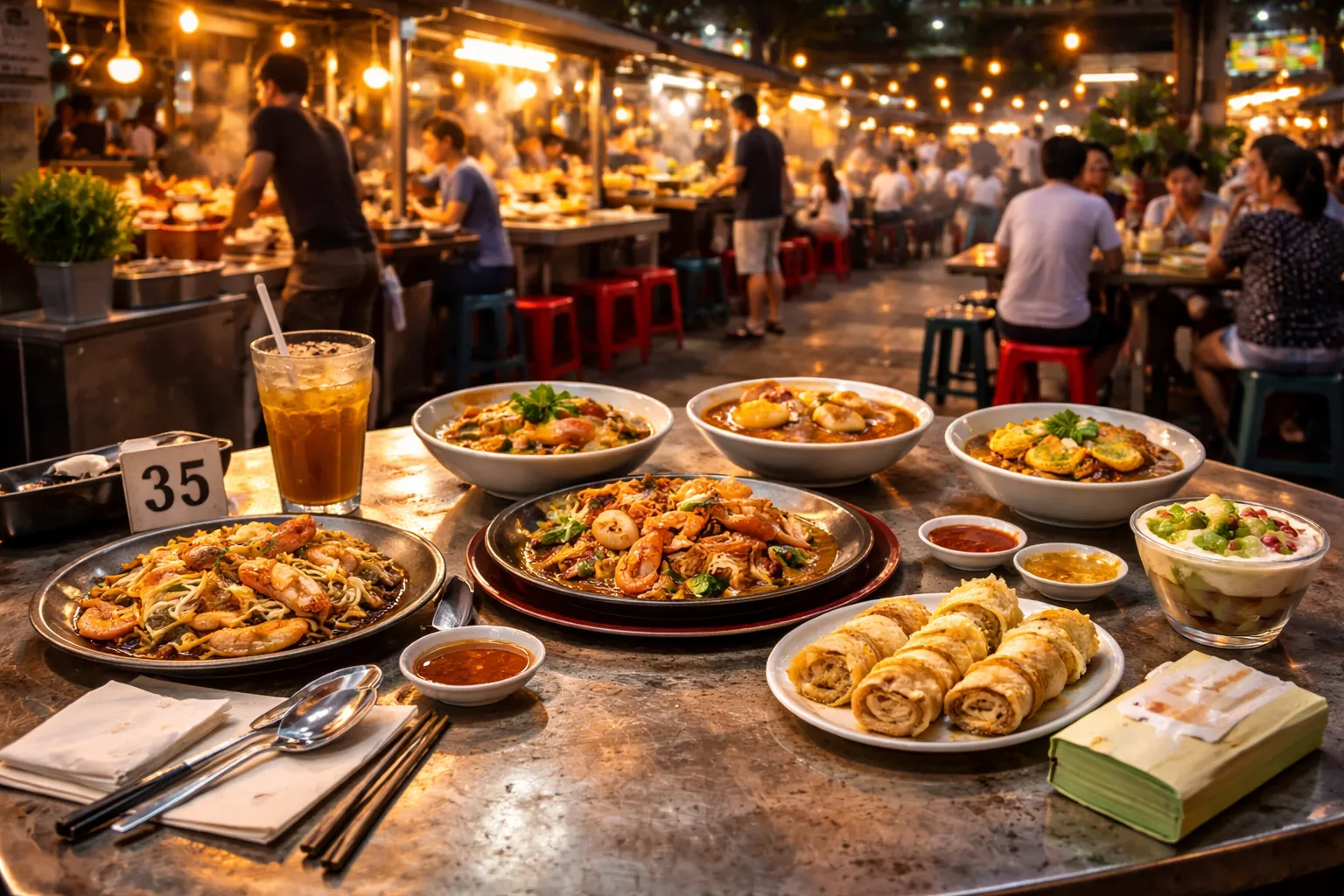
Welcome to Penang, Malaysia’s Culinary Heart
Welcome to Penang, Malaysia’s undisputed culinary heart. This vibrant island state, nestled off the northwest coast of Peninsular Malaysia, has etched its name onto the global map not just for its rich history and multicultural tapestry, but more significantly, for its extraordinary food scene. At the nexus of this gastronomic revolution lie the iconic hawker centers – bustling open-air food courts and street-side clusters where generations of culinary artistry converge. This guide is your definitive passport to navigating and savoring the authentic flavors of Penang, empowering you to eat like a local and unlock an unforgettable experience.
Penang’s reputation as a food capital of Malaysia is well-earned, offering a complex yet harmonious blend of Malay, Chinese, Indian, and Peranakan cuisines. The island’s unique cuisine is a direct reflection of its diverse heritage, a living testament to centuries of cultural exchange. While formal restaurant dining offers its own pleasures, the true soul of Penang’s food can be found in its hawker centers. These vibrant hubs are more than just places to eat; they are social epicenters, community gathering spots, and living museums of culinary tradition. This article will serve as your ultimate guide to understanding, navigating, and most importantly, enjoying the unparalleled experience of Penang’s hawker centers. We will delve into what makes them unique, equip you with strategies to dine like an insider, explore the must-try dishes, highlight the premier locations, and offer practical tips to ensure your travel adventure is a culinary triumph. Prepare to embark on a journey that tantalizes the taste buds and immerses you in the very essence of Malaysian food culture.
The Irresistible Allure of Penang’s Street Food Scene
 Navigating a bustling hawker center is easy with these four simple steps.
The allure of Penang’s street food is a potent, multi-sensory phenomenon. It’s an experience that engages every sense, from the tantalizing aromas wafting through the air to the vibrant visual spectacle of bustling stalls and the symphony of cooking sounds. This isn’t just about sustenance; it’s about an immersive cultural encounter. The sheer variety is staggering, presenting a kaleidoscope of flavors, textures, and colors that tell the story of Penang’s diverse people and their culinary heritage. From spicy and sour laksa to rich, aromatic curries and sweet, refreshing desserts, the offerings are as diverse as the island itself.
What truly sets Penang apart is the accessibility and authenticity of its street food. In a global landscape where culinary tourism is a significant market, with the global culinary tourism market size reaching USD 1,248.2 billion in 2025, and the Asia Pacific region holding over 43.1% market share Penang’s culinary scene is a prime example of this booming trend. Unlike many destinations where authentic street food can be elusive or watered down for tourists, Penang’s hawker culture remains deeply rooted in local life. This authenticity is maintained by generations of hawkers, often running the same stalls passed down through families, meticulously refining their recipe and techniques. The experience is intrinsically linked to the affordability and quality, offering incredible value without compromising on taste or tradition. It’s this combination of vibrant sensory engagement, deep-rooted authenticity, and incredible value that makes Penang’s street food scene utterly irresistible.
What Makes Penang’s Hawker Centers Unique? (Culture, Diversity, History, George Town’s UNESCO Status)
Penang’s hawker centers are unique not as isolated entities, but as vibrant ecosystems deeply interwoven with the island’s cultural fabric, historical evolution, and the very identity of George Town, its capital city. The experience offered is far more than just a meal; it’s a cultural immersion.
Culture: Hawker centers serve as the heart of Penang’s social life. They are democratic spaces where people from all walks of life – from local office workers on their lunch breaks to families enjoying an evening meal and tourists eager for an authentic taste – converge. The communal seating arrangements foster a sense of community, encouraging interactions and a shared appreciation for good food. This daily ritual of gathering to eat, chat, and connect underscores the centrality of food in Penang’s cultural identity.
Diversity: The true magic of Penang’s hawker cuisine lies in its astonishing diversity, a direct result of its multicultural population. Malay, Chinese, Indian, and Peranakan (Straits Chinese) influences are not merely present; they are expertly fused, creating unique dishes and flavor profiles found nowhere else. This rich tapestry of influences means you can sample a spicy laksa with Malay roots, followed by a savory noodle soup with Chinese origins, and finish with a sweet, fragrant dessert that showcases Peranakan flair. This culinary fusion is a defining characteristic of Penang, recognized by Credence Research, which notes Penang has been recognized as a ‘food capital’ of Malaysia, offering a blend of Malay, Chinese, Indian, and Peranakan cuisines.
History: The history of hawker centers in Penang is intrinsically linked to the island’s development as a major trading port. As people from various ethnic backgrounds settled here, they brought their culinary traditions, adapting them to local ingredients and tastes. Early hawkers sold food from pushcarts, gradually evolving into more permanent roadside stalls and eventually coalescing into the organized hawker centers we see today. This evolution is a living chronicle of Penang’s people and their migration patterns, making every dish a piece of history.
George Town’s UNESCO Status: The designation of George Town as a UNESCO World Heritage Site in 2008 played a pivotal role in preserving not only its architectural heritage but also its intangible cultural assets, including its vibrant hawker culture. The UNESCO status acknowledges the unique urban living heritage of George Town, which is deeply embodied by its street food scene. It ensures that these traditions are protected and celebrated, not just as tourist attractions, but as integral components of the city’s living heritage, contributing significantly to Malaysia‘s tourism industry, which saw its sector contribute 15.1% to the national GDP in 2024 according to the Department of Statistics Malaysia. This recognition has helped maintain the authenticity and character of the hawker centers, ensuring they remain a vital part of the experience for both locals and visitors.
Embracing the “Eat Like a Local” Mindset for an Authentic Experience
To truly unlock the magic of Penang’s hawker centers, adopting the “eat like a local” mindset is paramount. This isn’t merely about choosing the same dishes locals favor; it’s about embracing a philosophy of appreciation, openness, and immersion. It’s about understanding that the most profound experience often comes from stepping outside your comfort zone and engaging with the culture on its own terms.
At its core, eating like a local means valuing simplicity, authenticity, and the sheer joy of delicious food. It means appreciating the immense skill and dedication that goes into preparing these seemingly simple dishes. Many hawker stalls are family-run businesses, with recipes perfected over decades, sometimes even centuries. As noted by The Star, drawing from Khazanah Research Institute data, small-scale hawkers comprised approximately 15% of Malaysia’s informal workforce in 2023, highlighting the significant economic and cultural role of these individuals. This heritage means that the food is not just prepared; it’s a legacy.
Embracing this mindset requires openness to new flavors, textures, and even the bustling, sometimes chaotic, environment of the hawker centers. It means letting go of the expectation of formal restaurant service and instead reveling in the convivial atmosphere. It involves observing local customs – how they order, where they sit, how they interact with vendors. It also means being adventurous, trying dishes you might not recognize, and trusting the collective wisdom of the crowds. When a stall has a long queue of locals, it’s almost always a sign of exceptional quality. This approach transforms a meal from a mere transaction into a deeply enriching cultural experience, allowing you to connect with the people and the soul of Penang.
Decoding the Hawker Center Experience: Essential Local Strategies
Navigating the vibrant, often boisterous, world of Penang’s hawker centers can seem daunting at first. However, with a few insider strategies, the experience transforms from potentially overwhelming to exhilaratingly rewarding. Understanding the flow and unwritten rules is key to dining like a local and enjoying the full spectrum of flavors and cultural interactions.
Navigating the Organized Chaos: Finding Your Spot and Ordering Like a Pro
The first step in any hawker center is to secure a spot. Many centers operate with a system where you find an empty table first, then procure your food from various stalls. Look for tables with a plastic token or a numbered placard, which you might need to display to indicate your table number to the vendors. Alternatively, some locals will simply leave a packet of tissues or an umbrella on a table to reserve it. Don’t be afraid to share larger tables with other diners; it’s part of the communal spirit.
Ordering is an art form in itself. Most stalls specialize in one or two dishes. You’ll see multiple vendors offering the same dish (like Char Koay Teow), each with their own loyal following. It’s advisable to walk around, observe the preparation, and perhaps ask fellow diners for recommendations. When ordering, be clear and concise. If you have specific requests (e.g., less spicy, no cockles), state them politely. Many hawkers appreciate a bit of friendly banter. Payment is typically made after you receive your food, and it’s essential to have cash, preferably in small denominations, as credit cards are rarely accepted.
Understanding Food Hygiene and Safety: Eating Smartly and Confidently
Concerns about food hygiene are common for visitors to any street food scene. However, Penang’s hawker centers generally adhere to high standards, and the sheer volume of customers ensures high turnover of ingredients, meaning food is often fresh. To eat smart and confidently, several indicators can guide you:
- Busy Stalls: A consistently busy stall with a long queue of locals is a good sign. High turnover means fresh ingredients and popular, well-prepared food.
- Cleanliness of Utensils and Surfaces: Observe if the vendors keep their cooking surfaces and utensil washing areas reasonably clean. Most reputable stalls will have dedicated spaces for washing up.
- Ingredient Presentation: Freshness of produce, seafood, and meats should be apparent. If something looks wilted or unappetizing, it’s best to move on.
- Water Source: While less obvious to a casual observer, many established hawkers have access to filtered water systems for their cooking and washing.
- Local Trust: Remember that these hawker centers have been serving the local population for decades. The trust placed in these vendors by the community is a strong indicator of their commitment to safety and quality. While it’s wise to be observant, don’t let unfounded fears detract from the experience. The majority of hawker food in Penang is safe and delicious.
The Spirit of the Hawker: More Than Just Food
The people behind the woks and pots are the true heart and soul of Penang’s hawker centers. The “spirit of the hawker” encompasses a dedication, passion, and pride that elevates their craft beyond mere sustenance provision. It’s about family legacy, culinary artistry, and a deep connection to the community they serve.
Many hawker stalls are multi-generational enterprises, with recipes and techniques passed down from parents to children, and sometimes grandchildren. This continuity ensures that traditional flavors are preserved, while younger generations might also introduce subtle innovations. This dedication means hawkers often wake up before dawn to source the freshest ingredients, spend hours preparing broths and marinades, and then work tirelessly through long hours, hunched over hot woks. Their commitment is fueled by a passion for creating delicious food and a desire to uphold their family’s reputation.
This spirit also translates into the welcoming, albeit sometimes bustling, interactions visitors have with the hawkers. While they may seem gruff or hurried, many possess a warmth and pride in their dishes that they are eager to share. A simple smile, a polite greeting, or an expression of genuine appreciation can go a long way. Understanding this human element transforms your dining experience from a passive consumption of food to an active engagement with the vibrant people who make Penang’s cuisine so legendary. This is where you truly connect with the essence of Malaysia‘s food culture.
Penang’s Iconic Dishes: A Culinary Deep Dive into Flavors and Origins
Penang’s hawker scene is a treasure trove of culinary masterpieces, each dish a testament to the island’s rich heritage and the hawkers’ skillful hands. While the sheer variety is immense, certain iconic dishes stand out, defining the Penang food experience. Exploring these culinary stars is an essential part of any travel itinerary.
Char Koay Teow: The Quintessential Wok Hei Masterpiece
Arguably the most famous of Penang‘s noodle dishes, Char Koay Teow translates to “stir-fried rice cake strips.” This dish is a symphony of textures and flavors, characterized by its smoky aroma, known as “wok hei” – the elusive breath of the wok imparted by high heat and skilled stir-frying. The recipe typically involves flat rice noodles (koay teow) stir-fried with prawns, cockles, bean sprouts, chives, egg, and a savory dark soy sauce mixture. Some hawkers add chili for a spicy kick. The key to exceptional Char Koay Teow lies in the hawker’s ability to achieve that perfect smoky char without burning the noodles, a skill honed through years of practice.
Asam Laksa: The Tangy, Spicy Noodle Sensation
Asam Laksa is a truly distinctive Penang specialty, celebrated for its bold, complex soup that balances sour, spicy, and savory notes. Unlike other regional laksa variations that often feature creamy coconut milk, Penang Asam Laksa boasts a light yet intensely flavored broth made from mackerel or sardines, tamarind (asam), chili, lemongrass, mint, pineapple, and onions. The soup is served over thick rice noodles and generously garnished with fresh herbs, cucumber, and often a dollop of thick shrimp paste (hae ko). The tangy soup and fresh garnishes create an invigorating and unforgettable experience.
 Penang’s unique flavor profile is a delicious fusion of Malay, Chinese, Indian, and Peranakan culinary traditions.
Penang Hokkien Mee (Prawn Mee): A Rich, Umami-Packed Broth
Penang Hokkien Mee, also known as Prawn Mee, is a hearty noodle soup that epitomizes comfort food. Its soul lies in the deeply flavorful broth, painstakingly prepared by simmering prawn shells and heads, along with pork bones, for hours to extract maximum umami. This rich, reddish-orange broth is served with yellow noodles and rice vermicelli, topped with succulent prawns, slices of pork, boiled egg, crispy fried shallots, and a dollop of fiery sambal chili paste. The combination of the intense prawn soup, tender noodles, and spicy sambal is a delightful sensory experience.
Nasi Kandar: The Ultimate Customizable Indian Muslim Feast
Nasi Kandar is a legendary Penang dish originating from Indian Muslim immigrants. It is a customizable feast where diners choose from a wide array of curries and side dishes to be ladled over a mound of fluffy white rice. The hallmark of a great Nasi Kandar stall is its selection of flavorful curries, including rich beef rendang, spicy fried chicken, tender squid, and various vegetable options like okra. The magic happens when the hawker ‘bancuh’ or mixes several curry sauces over the rice, creating a unique, complex flavor profile that is both intensely savory and satisfying. The ability to personalize your plate makes it a truly engaging experience.
Cendol: A Sweet, Icy Escape from the Heat
On a hot tropical day in Penang, there is no better antidote than a refreshing bowl of Cendol. This iconic dessert is a harmonious blend of textures and cooling flavors. It begins with a base of shaved ice, drenched in creamy coconut milk and drizzled generously with fragrant gula Melaka (palm sugar syrup). The star ingredient is the bright green, worm-like jelly made from rice flour and pandan leaves, which gives the dessert its name. Often, additional toppings like red beans or sweet corn are added. The interplay of icy cold, sweet soup, and chewy jelly makes Cendol a perfect sweet ending.
Loh Bak & Pai Tee: Crispy Peranakan Appetizers
For a taste of Peranakan cuisine, Loh Bak and Pai Tee are excellent choices often found in hawker settings. Loh Bak refers to marinated five-spice pork belly rolls, deep-fried until golden and crispy. They are typically served with a thick, savory dipping sauce and accompanied by ingredients like fried tofu or prawn crackers. Pai Tee are delicate, crispy cups made from a thin batter, filled with a savory mixture of shredded turnip (jicama), prawns, and sometimes carrots, garnished with chili sauce and a sprig of parsley. These appetizers offer a delightful crunch and a burst of complex flavors.
Oyster Omelette (Oh Chien): Savory Seafood Indulgence
Oyster Omelette, or ‘Oh Chien’ in Hokkien, is a popular hawker dish that showcases the briny freshness of oysters. This savory omelette is made by pan-frying plump, juicy oysters with eggs, starch (usually tapioca or sweet potato starch, which gives it a slightly chewy texture), and sometimes lardons for extra flavor. It’s typically seasoned with soy sauce and served with a tangy chili sauce. The contrast between the crispy edges of the omelette and the soft, succulent oysters is a culinary delight.
Beyond the Big Names: Other Noteworthy Local Favorites
While the above dishes are the headliners, Penang‘s hawker scene offers a universe of other delights. Satay, skewers of marinated meat grilled over charcoal and served with a rich peanut soup, is a beloved snack. Wanton Mee, featuring springy noodles in a savory broth or served ‘dry’ with soy sauce, minced pork, and wontons, is another popular noodle dish. For a taste of Indian-inspired street food, crispy Roti Canai (flaky flatbread) served with curry, or creamy Butter Chicken are often available. Exploring these lesser-known dishes offers a deeper appreciation of the island’s culinary breadth and the skill of its people.
Navigating Penang’s Premier Hawker Centers: Where to Find the Best Bites
Penang is dotted with numerous hawker centers and street food zones, each offering a distinct atmosphere and a unique selection of dishes. While gems can be found in seemingly every corner of George Town and beyond, several premier locations are renowned for their concentration of quality stalls and vibrant experience.
Gurney Drive Hawker Centre: The Iconic Seaside Destination
Gurney Drive Hawker Centre, officially known as Persiaran Gurney Food Court, is perhaps the most famous and accessible hawker center for tourists. Located along the scenic waterfront, it offers a vast array of Penang specialties. While it caters to a significant tourist crowd, many stalls here are reputable and serve authentic food. It’s an excellent starting point for visitors to sample a wide variety of dishes, from Char Koay Teow and Asam Laksa to grilled seafood and Cendol, all with the added bonus of a sea breeze.
Chulia Street Night Hawker Stalls: A Bustling Evening Food Hub in George Town
As the sun sets, Chulia Street in George Town transforms into a vibrant culinary artery. This bustling street comes alive with rows of hawker stalls offering a dazzling spectacle of sights and smells. It’s a fantastic place to experience the nocturnal charm of Penang’s street food scene. You’ll find an eclectic mix of vendors serving everything from delectable Hokkien Mee and Indian-Muslim favorites like Nasi Kandar to Western-style dishes and local desserts. The energetic atmosphere, coupled with the sheer variety of food, makes it a must-visit.
Cecil Street Market (Lebuh Cecil Market): Authentic Morning to Afternoon Local Flavors
For a more local and authentic experience, the Cecil Street Market (Pasar Cecil) is a gem, particularly for morning and afternoon dining. This bustling wet market on the ground floor gives way to a vibrant hawker area upstairs, frequented predominantly by locals. It’s an excellent place to discover traditional Penang dishes prepared with time-honored methods. You can find renowned stalls serving excellent Char Koay Teow, Hokkien Mee, and various Chinese noodle dishes. The atmosphere is less tourist-centric, offering a genuine glimpse into daily life and local eating habits.
Medan Selera Padang Brown: A Multi-Ethnic Feast for All Tastes
Medan Selera Padang Brown is a large, open-air hawker center that truly embodies Penang’s multicultural cuisine. Situated a little outside the core of George Town, it draws a diverse crowd eager to sample its extensive offerings. Here, you can find an excellent representation of Malay, Chinese, and Indian food stalls side-by-side. It’s a great place to try authentic Satay, flavorful Malay curries, Chinese noodle specialties, and Indian Muslim delights, making it a comprehensive culinary destination.
New World Park Food Court: Modern Comfort, Traditional Tastes
Located within the New World Park complex, this food court offers a more modern and comfortable setting while staying true to traditional Penang flavors. It’s a good option for those who prefer a cleaner, more organized environment without sacrificing the authenticity of the food. Many popular hawker stalls have set up branches here, allowing visitors to enjoy classics like Char Koay Teow, Hokkien Mee, and Cendol in a less chaotic setting. It’s a well-managed space that still captures the essence of Penang’s street food culture.
Lesser-Known Gems and Standalone Legends
Beyond these prominent centers, Penang is brimming with lesser-known hawker gems and standalone legendary stalls scattered throughout the island. Don’t hesitate to explore smaller neighborhoods or ask locals for their personal favorites. Sometimes, the most memorable food experiences come from stumbling upon a humble stall run by a passionate vendor who has perfected a single dish over decades. These hidden treasures offer a more intimate and often more authentic experience, further enriching your culinary travel adventure in Malaysia.
Practical Tips for Your Ultimate Penang Food Adventure
To ensure your culinary journey through Penang is seamless and enjoyable, a few practical tips can significantly enhance your experience. These pointers cover everything from timing your visits to managing your budget and dietary needs, helping you navigate the vibrant hawker scene with confidence and ease.
Best Times to Visit Hawker Centers (Day vs. Night, Avoiding Peak Crowds)
Penang’s hawker centers offer different experiences throughout the day. Morning markets like Cecil Street Market buzz with activity from early breakfast to mid-afternoon, specializing in local breakfast dishes and lunch fare. Evening and night markets, such as Chulia Street and Gurney Drive, come alive as the sun sets, offering a lively atmosphere and a wide array of dinner options.
To avoid the biggest crowds, aim for slightly off-peak hours. For lunch, try between 11:30 AM and 1 PM. For dinner, arriving around 6 PM or after 8 PM can mean shorter waits. Weekends and public holidays will naturally be busier, so if you’re there on a weekday, you’ll likely enjoy a more relaxed experience.
What to Bring: Cash (Small Denominations), Wet Wipes, Reusable Bag, Water Bottle
Cash is King: Most hawker stalls operate on a cash-only basis. Ensure you have plenty of small denominations (RM1, RM5, RM10 notes) as vendors may not have change for larger bills, especially for smaller orders.
Wet Wipes/Hand Sanitizer: Essential for freshening up before and after your meal, given the often-open-air nature of the settings.
Reusable Bag: If you plan on trying multiple items or purchasing drinks from different vendors, a reusable bag can be convenient.
Water Bottle: Staying hydrated is crucial in Penang’s tropical climate. While many stalls sell drinks, carrying your own reusable bottle is eco-friendly and ensures you always have water on hand.
Staying Hydrated: Exploring Local Drinks (Teh Tarik, Kopi, Fresh Juices, Cendol)
Beyond the food, Penang offers a delightful range of local beverages. Teh Tarik (pulled tea), a sweet and milky tea frothed by pouring it back and forth between two cups, is a national favorite. Kopi refers to coffee, often served strong and sweet, with variations like Kopi O (black coffee) or Kopi C (with evaporated milk and sugar). Freshly squeezed juices, especially lime juice or sugarcane juice, are wonderfully refreshing. And of course, Cendol itself is not just a dessert but a perfect thirst quencher.
Dietary Considerations: Navigating Options (Vegetarian, Halal, Allergy Awareness)
While Penang is known for its diverse cuisine, navigating dietary restrictions requires awareness.
- Halal: Many hawker stalls offer Halal options, particularly those run by Malay vendors serving Malay dishes. Indian Muslim stalls serving Nasi Kandar are also generally Halal. Chinese and Peranakan stalls may use ingredients like lard or alcohol in their cooking, so it’s advisable to ask if you have strict Halal requirements. Look for stalls displaying a “Halal” sign.
- Vegetarian: Finding purely vegetarian stalls can be challenging, as many dishes incorporate seafood or meat products. However, options exist. Some noodle dishes can be made vegetarian upon request, and stalls selling vegetable-heavy dishes like ‘yong tau foo’ (stuffed vegetables) might offer vegetarian versions. Many Indian food stalls offer vegetarian curries. It’s always best to explicitly state your dietary needs.
- Allergies: Be clear about any allergies, especially to peanuts, seafood (like prawns or cockles), or gluten. Most hawkers are accommodating if you communicate your needs politely.
Final Thoughts
Penang’s hawker centers are more than just places to eat; they are vibrant, living testaments to the island’s rich cultural tapestry, historical evolution, and the enduring spirit of its people. From the smoky char of perfectly stir-fried Char Koay Teow to the tangy complexity of Asam Laksa, each dish tells a story, a legacy passed down through generations. The experience of dining in these bustling hubs – amidst the symphony of sizzling woks, the chatter of diners, and the tantalizing aromas – offers an unparalleled immersion into the heart of Malaysian food culture.
This ultimate guide has aimed to demystify the hawker center experience, equipping you with the knowledge and confidence to navigate its organized chaos. We’ve explored what makes Penang’s street food unique, emphasized the importance of embracing a “local” mindset, and provided practical strategies for ordering, staying safe, and understanding the cultural nuances. By highlighting the iconic dishes and premier locations, we’ve provided a roadmap for your culinary travel adventure.
As Malaysia continues to solidify its position as a premier global food destination, with its cuisine drawing attention from international accolades and a thriving culinary tourism market, Penang’s hawker centers remain its pulsating heart. The significant contribution of the food and beverage serving services to Malaysia’s tourism industry and national GDP, with F&B alone accounting for 36.5% of employment in the tourism sector in 2024, underscores the economic and cultural vitality of this sector. Furthermore, the fact that Malaysian households spend approximately 48% of their total monthly food expenditure on food away from home in 2022 according to the Household Expenditure Survey, highlights the deep-seated cultural habit that makes hawker centers so authentic and essential to local life.
Your next step is simple: travel to Penang, specifically George Town, armed with this knowledge. Be adventurous, be curious, and most importantly, be hungry. Seek out those busy stalls, engage with the friendly hawkers, and savor every bite. The true magic of Penang’s food lies not just in its incredible flavors, but in the connections you forge with its people and its vibrant culinary heritage. Embark on this gastronomic journey, and you’ll discover why eating like a local in Penang is an experience that resonates long after the last delicious morsel is gone.