The Ultimate Penang Street Food Guide: Must-Try Dishes & Hidden Gems
 Penang’s status as a food capital is supported by international awards, robust tourism growth, and official cultural recognition.
Penang, an island state in Malaysia, is not merely a travel destination; it is a vibrant tapestry woven with rich history, diverse cultures, and an unparalleled culinary heritage. Often lauded as the food capital of Malaysia, Penang beckons travelers with its tantalizing street food scene, a symphony of flavors that reflects its multicultural past. From bustling hawker stalls to hidden alleyway eateries, the island offers an immersive gastronomic journey that consistently ranks it among the world’s top food destinations. In fact, Penang was named Asia’s best street food city in September 2025 by British magazine TimeOut, a testament to its enduring appeal. This reputation is further solidified by the fact that Penang recorded an impressive 8,237,072 hotel guests in 2024, a substantial 13.3% increase from the previous year, highlighting its robust draw for international and domestic tourists alike. The island’s food culture is so integral that the Penang state government is set to gazette 10 dishes and six cultural practices, including food culture, as unique intangible cultural heritage. This guide serves as your definitive companion to navigating the delectable world of Penang’s street food, unveiling its most iconic dishes, unearthing hidden gems, and providing insider tips for an unforgettable culinary experience. Prepare to embark on a travel tour that promises to delight your senses and immerse you in the heart of Malaysia‘s gastronomic soul.
The Irresistible Allure of Penang’s Street Food Scene
 The celebrated flavors of Penang are a delicious fusion of Malay, Chinese, Indian, and Peranakan culinary traditions.
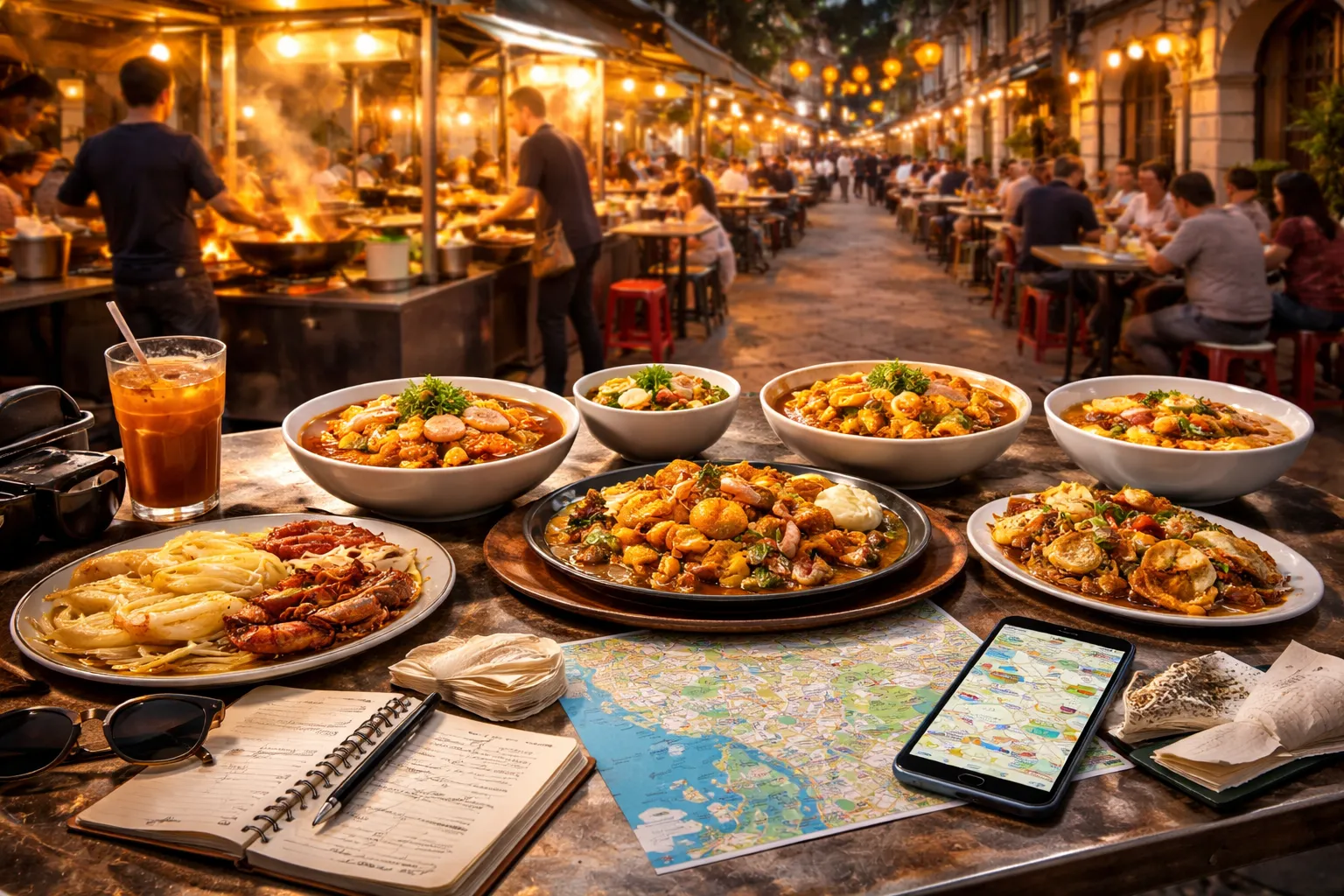
The magic of Penang’s street food lies in its authenticity, accessibility, and the sheer diversity of its offerings. It’s an experience that transcends mere eating; it’s a cultural immersion. The island’s unique blend of Malay, Chinese, Indian, and Peranakan influences has coalesced into a distinct cuisine that is celebrated on every corner. This culinary landscape is a living testament to Penang’s history as a vital trading port, where diverse communities brought their traditions and ingredients, contributing to the complex and delightful flavors that define the island today. The vibrant atmosphere of the hawker centers, the sizzle of woks, the fragrant steam rising from bubbling pots, and the friendly chatter of locals create an sensory spectacle that is as much a part of the appeal as the food itself. For any travel enthusiast, exploring Penang’s street food is not just about tasting new dishes; it’s about connecting with the local way of life.
What You’ll Discover in This Ultimate Guide: Icons, Hidden Gems, and Insider Tips
This comprehensive guide is meticulously designed to equip you with everything you need for an exceptional Penang foodie experience. We will delve deep into the heart of Penang’s culinary identity, starting with the cultural and historical roots that have shaped its world-renowned street food scene. You’ll find detailed explorations of the most iconic dishes, offering insights into their origins, key ingredients, and the essential flavors that make them legendary. Beyond the well-trodden paths, we’ll venture into the realm of hidden gems and local favorites, unveiling lesser-known dishes and stalls that are cherished by residents. To enhance your travel experience, we’ve curated a section on the most popular foodie hubs, detailing what makes each location unique. Finally, practical advice on navigating hawker centers, understanding ordering etiquette, and planning your culinary tour will ensure you make the most of your gastronomic adventure in Penang. Whether you’re a seasoned traveler or a first-time visitor, this guide is your key to unlocking the true essence of Penang’s vibrant street food cuisine.
The Soul of Penang Street Food: Culture, History, and the Hawker Experience
The soul of Penang street food is inextricably linked to its rich cultural tapestry and the unique dynamics of its hawker culture. This is more than just a place to eat; it’s a cultural cornerstone that reflects the island’s multi-ethnic heritage and its historical evolution. Understanding this context elevates the dining experience from a simple meal to a meaningful cultural exchange.
Why Penang is a UNESCO World Heritage Site of Flavors and Culinary Tradition
George Town, the capital city of Penang, was inscribed as a UNESCO World Heritage Site in 2008, a designation that extends beyond its architectural marvels to encompass its vibrant intangible cultural heritage, including its celebrated food culture. This recognition underscores the profound historical and cultural significance of the island’s culinary traditions. The unique blend of influences from Chinese immigrants, Indian traders, and indigenous Malay populations has resulted in a distinctive cuisine that is deeply rooted in the island’s history as a significant colonial trading post. The UNESCO status draws attention to how the daily lives, traditions, and especially the food, are integral to the heritage that the site protects. This designation also spurs efforts to preserve these traditions, as evidenced by the Penang state government’s intention to gazette 10 dishes and six cultural practices, including food culture, as unique intangible cultural heritage. This commitment ensures that the rich culinary heritage continues to thrive for generations to come.
Embracing Penang’s Vibrant Hawker Food Culture: An Authentic Experience
Penang’s hawker culture is the lifeblood of its street food scene. These open-air food courts and roadside stalls are more than just places to grab a quick bite; they are social hubs where communities gather, stories are shared, and culinary traditions are passed down through generations. The sheer variety of dishes on offer is staggering, with each hawker often specializing in just one or two items, perfecting them over decades. This dedication to a single craft results in an unparalleled level of quality and authenticity. An authentic experience involves immersing yourself in the bustling atmosphere, observing the skilled hawkers at work, and engaging with the local patrons. The Penang Island City Council’s allocation of RM30 million for the renovation and upgrade of at least 12 markets, food complexes, and hawker sites in 2024 further demonstrates the government’s commitment to maintaining and improving these vital cultural and culinary spaces. This investment ensures that the vibrant hawker food culture continues to flourish, providing a cornerstone for the island’s identity and a rich experience for every visitor.
Eating Like a Local: Navigating Hawker Centres and Ordering Etiquette
To truly experience Penang’s street food, adopting local customs is key. Hawker centers are typically bustling, communal spaces where numerous stalls operate side-by-side. When you arrive, take a moment to survey the offerings before committing. Many stalls have their own designated seating areas, often marked with trays or umbrellas. A common practice is to secure a table first, especially during peak hours, and then send one member of your group to order from various stalls.
Ordering etiquette is generally relaxed but respectful. Many hawkers speak basic English, but knowing a few Malay phrases can go a long way. Pointing to the dish you want or indicating the number of portions is perfectly acceptable. If you’re unsure, don’t hesitate to ask for recommendations. Payment is typically made upon ordering or when the food is served. Hygiene is usually excellent, with many stalls adhering to strict standards; the Malaysia Food Act sets out regulations, and local councils often implement grading systems for food outlets to help consumers choose wisely.
When it comes to popular stalls, be prepared for queues. Long queues are often a good indicator of a stall’s popularity and the quality of its dishes. As Penangites will queue 30 minutes for good char koay teow and walk past a mediocre one, embracing the wait is part of the experience. Sharing tables with strangers is also common and can lead to interesting conversations and further culinary discoveries. This communal dining style fosters a unique sense of camaraderie and amplifies the overall experience of eating like a local.
The Pantheon of Penang’s Must-Try Iconic Dishes: A Deep Dive
Penang’s culinary fame is built upon a foundation of legendary dishes, each a masterpiece of flavors, textures, and carefully selected ingredients. These iconic plates are more than just food; they are edible embodiments of the island’s cultural heritage and gastronomic prowess.
Char Koay Teow: The Legendary Wok Hei Masterpiece
Char Koay Teow, translated as “stir-fried flat rice noodles,” is arguably Penang’s most famous street food dish. Its allure lies in the “wok hei”—a smoky, slightly charred aroma and flavor imparted by the intense heat of a well-seasoned cast-iron wok. The flat rice noodles are stir-fried with prawns, cockles, Chinese chives, bean sprouts, and egg, typically in a sauce composed of dark soy sauce, light soy sauce, and chili paste. Some vendors add duck egg for an extra richness. The quality of the prawns and the skill of the hawker in achieving that perfect wok hei are paramount. While found throughout Malaysia, Penang’s version is often considered the benchmark, with many stalls achieving cult status for their unique take on this classic. The sheer dedication to perfecting this single dish by many hawkers underscores its importance in the local cuisine.
Assam Laksa: A Tangy, Spicy Symphony of Flavors
Assam Laksa is a complex and invigorating noodle soup that stands as a pinnacle of Penang cuisine. The name “Assam” refers to the tamarind used to create its distinct sour and tangy flavor. The broth is a rich, fish-based stock, typically made from mackerel or sardines, simmered with a fragrant blend of chili, lemongrass, galangal, turmeric, and belacan (shrimp paste). This is then generously infused with tamarind pulp for that characteristic sourness. Thick rice noodles are served in this flavorful broth, topped with finely sliced cucumber, red onion, pineapple, mint leaves, and a dollop of spicy shrimp paste. The interplay of sour, spicy, savory, and aromatic elements makes Assam Laksa a truly unique and addictive dish. It’s a testament to how simple, fresh ingredients can be transformed into something extraordinarily complex and satisfying. Its inclusion in the MICHELIN Guide Kuala Lumpur & Penang 2024 selection further solidifies its status.
Nasi Kandar: Crafting Your Own Mountain of Deliciousness
Nasi Kandar is a culinary experience rather than a single dish. Originating from Indian Muslim immigrants, it translates to “stuffed rice.” Diners choose a mound of fluffy white rice and then select from an array of curries and side dishes to create their own personalized meal. The heart of Nasi Kandar lies in its rich, aromatic curries, often featuring tender chicken, lamb, beef, or various types of seafood like fish or squid. A key element is the “banjir” or “flooded” rice, where the diner requests that a mixture of different curry sauces be poured over their rice, creating a deeply flavored base. Legendary establishments like Hameediyah Restaurant, established in 1907, are renowned for their generations-old recipes and the quality of their ingredients. This dish offers a fantastic opportunity to experience the diverse flavors of Malaysia in one sitting.
Hokkien Mee (Penang Prawn Noodles): The Rich, Aromatic Broth
Penang’s version of Hokkien Mee is a celebrated noodle soup distinguished by its deeply savory and aromatic prawn broth. This rich stock is painstakingly prepared by simmering prawn shells and heads with pork bones for hours, creating a complex, slightly sweet, and intensely flavorful base. The noodles themselves are a combination of yellow egg noodles and bee hoon (rice vermicelli), served in the luscious broth and garnished with succulent boiled prawns, slices of pork, kangkung (water spinach), and a hard-boiled egg. A crucial accompaniment is sambal belacan, a chili paste that adds a fiery kick and further depth to the dish. The quality of the prawns used directly impacts the overall flavor profile, making this a true celebration of seafood ingredients within the local cuisine. This is a must-try dish for any foodie exploring Penang.
Roti Canai: The Fluffy, Versatile Breakfast and Anytime Staple
While Roti Canai is enjoyed throughout Malaysia, Penang has its own enthusiastic appreciation for this flaky, pan-fried flatbread. Made from a simple dough of flour, water, and fat (often ghee or oil), the dough is repeatedly folded and stretched before being cooked on a griddle until golden brown and crisp. Its beauty lies in its versatility; it’s commonly served for breakfast or as an anytime snack, typically accompanied by dhal (lentil curry) or chicken curry for dipping. Variations include Roti Telur (with egg), Roti Pisang (with banana), and Roti Sardine (with sardine filling). The light, slightly chewy texture and the satisfying crispiness make it an addictive staple in the Malaysian diet. It represents the accessibility and widespread appeal of Penang’s street food.
Oyster Omelette (Oh Chien): Crispy, Chewy, and Briny Delight
Oyster Omelette, known locally as Oh Chien, is a delightful seafood dish that perfectly balances crispy textures with soft, briny ingredients. It features plump, fresh oysters that are lightly battered and then stir-fried with eggs, garlic, and sometimes lard for extra crispness. Spring onions are often added for a fresh contrast. The resulting dish is a medley of textures: a crispy, almost lacy exterior gives way to a soft, eggy interior studded with succulent, flavorful oysters. Often served with a chili sauce for dipping, Oh Chien is a popular late-night supper choice and a testament to Penang’s abundant seafood offerings. The careful preparation ensures the oysters retain their oceanic flavor without becoming rubbery.
Wantan Mee: Noodle Perfection in Every Bite
Wantan Mee is a beloved noodle dish that showcases delicate flavors and skillful preparation. It typically consists of springy egg noodles served in a light, savory broth or tossed in a dark, savory sauce. The key components are the wantan dumplings – parcels of minced pork and/or shrimp, typically wrapped in thin wonton skin. Penang’s version often includes slices of char siu (barbecued pork) and blanched leafy greens like choy sum. Some hawkers offer a dry version, tossed in a flavorful sauce, while others serve it in a fragrant broth. The elegance of this dish lies in the balance of textures: the chewy noodles, tender dumplings, and savory sauce, creating a satisfying and comforting meal. It’s a testament to the nuanced flavors that can be achieved with simple yet high-quality ingredients.
Sweet Endings & Refreshing Pauses: Penang’s Best Desserts and Drinks
After indulging in the savory delights, Penang’s vibrant street food scene offers an array of cooling desserts and refreshing beverages that provide the perfect counterpoint to the tropical heat and rich flavors. These sweet treats and thirst quenchers are as integral to the experience as the main courses.
Cendol & Ais Kacang: Icy Malaysian Delights to Beat the Heat (Penang Road Chendol)
When the tropical sun beats down, there’s no better way to cool off than with Cendol or Ais Kacang. Cendol is a refreshing dessert made from shaved ice, drizzled with coconut milk, palm sugar syrup (gula Melaka), and topped with green pandan-flavored jelly noodles that resemble worms. The sweetness of the palm sugar and the creamy coconut milk create a delightful balance. Ais Kacang, also known as ABC (Air Batu Campur or “mixed ice”), is a more elaborate affair, featuring a mound of shaved ice piled high with various toppings such as red beans, sweet corn, grass jelly, attap chee (palm seeds), and colorful jellies, all doused in evaporated milk and flavored syrups. The most famous spot for Cendol is undoubtedly on Penang Road, with its iconic Penang Road Chendol stall drawing crowds for decades, serving up this quintessential Malaysian dessert with consistent quality and beloved flavors.
Apom Balik & Putu Mayong: Lesser-Known Sweet Treats to Discover (Ravi’s Famous Apom Manis)
Beyond the ubiquitous Cendol, Penang offers other delightful sweet treats worth seeking out. Apom Balik (or Apom Manis) is a folded pancake-like confection, crispy on the outside and soft and slightly chewy on the inside, typically filled with crushed peanuts and sugar, sometimes with a sprinkle of sweet corn. Ravi’s Famous Apom Manis on Transfer Road is a popular spot for this treat. Another charming dish is Putu Mayong, steamed rice flour cakes that are light and fluffy, often served with grated coconut and palm sugar. These lesser-known sweets offer a glimpse into the diverse range of local desserts and are perfect for a light, sweet interlude during your foodie tour. Their simple ingredients and preparation highlight the charm of traditional Malaysian sweets.
Local Beverages: Teh Tarik, Kopi O, and Other Authentic Refreshments
No Penang foodie experience is complete without sampling the local beverages. Teh Tarik, meaning “pulled tea,” is a national icon. It’s a frothy, sweetened milk tea made by expertly pouring the tea mixture back and forth between two containers to create a rich foam and blend the ingredients perfectly. Kopi O is simply black coffee, but in Penang, you can choose your level of sweetness from “kosong” (zero sugar) to “kaw” (strong and sweet). Other popular choices include Limau Ais (iced lime juice), a tart and refreshing drink perfect for cutting through rich flavors, and various fruit juices made from fresh, local produce. These beverages are not just drinks; they are an essential part of the Penang experience, providing welcome refreshment throughout the day.
Unearthing Penang’s Hidden Gems & Local Favorites: Beyond the Tourist Trail
While the iconic dishes offer a fantastic introduction, the true magic of Penang’s street food lies in venturing beyond the well-known stalls to discover hidden gems cherished by locals. These less-advertised spots often serve up equally, if not more, authentic and delicious flavors.
Beyond the Big Names: Local Hawker Stalls Worth Seeking Out
Exploring Penang’s backstreets and local markets will reveal a treasure trove of hawker stalls that have been serving loyal patrons for generations. These are the places where culinary traditions are most fiercely guarded, and the ingredients are often sourced from the freshest local markets. Look for stalls with a steady stream of local customers, even if they don’t have flashy signs or extensive menus. These vendors often specialize in a single dish, pouring their heart and soul into perfecting its flavors and presentation. The experience of finding and enjoying a meal at such a stall is incredibly rewarding, offering a genuine taste of Penang.
Loh Mee & Laksa Jawat: Authentic Flavors You Might Miss
Two such hidden delights are Loh Mee and Laksa Jawat. Loh Mee is a thick, starchy noodle soup with a rich, savory gravy, often containing shredded chicken, pork, shrimp, and a hard-boiled egg. Its unique texture and complex flavors make it a comforting and satisfying meal, particularly popular for breakfast or lunch. Laksa Jawat is a regional variation of laksa that is distinct from the more famous Assam Laksa. It features a thicker, darker gravy that is often more savory than sour, with a base made from ground meat and spices. The noodles are typically yellow egg noodles, and it’s garnished with a variety of herbs and shredded vegetables. These dishes offer a deeper dive into the diverse laksa offerings of Malaysia.
Pasembur: A Unique Malaysian Indian Rojak Salad Experience
Pasembur is a fascinating and flavorful salad, often described as a Malaysian Indian Rojak. It’s a vibrant medley of shredded cucumbers, turnip, bean sprouts, and fried dough fritters, all tossed together with shredded octopus or squid (optional) and topped with a generous ladle of thick, sweet, and slightly spicy peanut sauce. The ingredients are fresh and crisp, providing a delightful textural contrast to the rich sauce. It’s a popular choice for those seeking a lighter yet flavorful dish, showcasing the fusion cuisine that is characteristic of Penang. The unique combination of ingredients and the signature peanut sauce make Pasembur an unmissable experience.
Otah: Grilled Fish Paste Parcels for the Adventurous Foodie
Otah (or Otak-Otak) is a delicious delicacy made from seasoned fish paste, typically mackerel, mixed with coconut milk, chili, lemongrass, and other spices, then wrapped in banana leaves or palm leaves and grilled. The grilling process imparts a smoky aroma and a wonderfully tender, slightly firm texture. The mixture is paste-like but holds its shape, offering a burst of savory, spicy, and aromatic flavors with every bite. While found in various forms across Malaysia, Penang’s Otah is particularly well-regarded for its fresh seafood ingredients and balanced spice levels. It’s an ideal snack to grab on the go or a flavorful addition to a larger meal.
Specialized Morning Bites: From Kaya Toast to Curry Puffs
Penang’s mornings are heralded by a variety of specialized breakfast dishes and snacks. Kaya Toast, a simple yet satisfying classic, consists of toasted bread spread with kaya (a sweet coconut and egg jam) and butter, often served with soft-boiled eggs and a cup of Kopi O. Curry Puffs are flaky pastries filled with a savory mixture of curried potatoes, chicken, or sometimes sardines. They are a popular handheld snack throughout the day. These morning bites highlight the everyday culinary traditions that fuel the island’s residents, offering simple yet delicious ways to start the day.
The Grand Tour: Navigating Penang’s Top Foodie Hubs
To simplify your culinary tour, understanding the key foodie hubs across Penang is essential. These areas are concentrated with hawker stalls and restaurants, offering a diverse array of dishes and an immersive experience of the island’s street food culture.
Kimberley Street Food Night Market: A Bustling Evening Feast (Char Koay Teow, Duck Porridge)
Kimberley Street Food Night Market comes alive after sunset, transforming into a vibrant artery of gastronomic delights. This popular spot is renowned for its array of iconic Penang dishes, making it a prime location for a comprehensive street food experience. Here, you can find expertly prepared Char Koay Teow, where hawkers skillfully wield their woks to achieve that coveted smoky wok hei. Other must-tries include the rich and comforting duck porridge, various types of laksa, and an assortment of local desserts. The lively atmosphere, coupled with the sheer density of high-quality food stalls, makes Kimberley Street a mandatory stop for any foodie traveler.
Gurney Drive Hawker Centre: Coastal Flavors with Plenty of Variety
Gurney Drive Hawker Centre, also known as Persiaran Gurney, is one of Penang’s most well-known hawker destinations, offering a wide spectrum of local cuisine. Situated along the scenic promenade, it’s a popular spot for both locals and tourists. The offerings here are vast, ranging from seafood barbecues, satay, and various noodle dishes to traditional Malay and Chinese fare. While some argue it has become more commercialized over the years, the sheer variety means you can experience many different flavors and dishes in one convenient location. Its coastal setting adds to the charm, providing a pleasant backdrop to your culinary tour. The seafood offerings here are particularly noteworthy, benefiting from the proximity to the coast.
Lebuh Cecil Market (Cecil Street Market): A Local’s Morning to Afternoon Delight
For an authentic local experience, the Lebuh Cecil Market (Cecil Street Market) is an excellent choice. This bustling market is a hub for locals throughout the morning and early afternoon. It’s particularly famous for its breakfast and lunch offerings. You’ll find stalls serving delectable char koay teow, flavourful hokkien mee (prawn noodles), an array of Indian-Muslim dishes like nasi kandar, and various Chinese delights. The market offers a less tourist-centric vibe, allowing for a more genuine immersion into the daily food rituals of Penangites. The vendors here are often masters of their craft, serving generations-old recipes with pride.
Chulia Street & George Town’s Culinary Heart: Food Amidst Heritage
Chulia Street and the surrounding lanes within George Town‘s heritage zone are a vibrant microcosm of Penang’s street food scene. This area is a fantastic place to wander and discover an eclectic mix of hawker stalls, each offering its own unique specialty. You’ll find everything from steaming bowls of laksa and savory char koay teow to exotic fruits and refreshing beverages. The advantage of this location is that you can combine your culinary tour with exploring the historical mansions, street art, and vibrant George Town UNESCO heritage site, making it a truly multifaceted travel experience. The proximity to historical mansions adds a unique dimension to the urban foodie experience.
Pulau Tikus Market: A Local’s Haven for Everyday Deliciousness
Pulau Tikus Market is a predominantly local market, less frequented by tourists, making it an ideal spot for an authentic Penang street food experience. This market buzzes with activity from early morning, offering a fantastic selection of breakfast and lunch options. It’s a great place to choose from traditional Malay dishes, Chinese hawker favorites, and Indian cuisine. Look out for stalls selling delicious roti canai, flavorful nasi lemak, and expertly prepared noodle dishes. The genuine local atmosphere and the quality of the food make Pulau Tikus Market a gem for those seeking to experience Penang like a resident.
Lebuh Presgrave ‘Eighth T Junction’: A Hotspot for Hokkien Mee and More
For lovers of Hokkien Mee, the junction of Lebuh Presgrave and Jalan Burma, often referred to as the ‘Eighth T Junction’, is a pilgrimage site. This area is famous for several highly-regarded Hokkien Mee stalls, celebrated for their rich, flavorful prawn broth and generous offerings of seafood. Beyond Hokkien Mee, you can also find other popular dishes here, making it a convenient spot to sample multiple Penang favorites. The concentration of excellent hawker stalls in this single area makes it a prime destination for a focused culinary tour. It’s a testament to the specialized nature of Penang’s street food cuisine.
Planning Your Penang Food Adventure
A successful foodie travel tour in Penang requires a bit of strategic planning to maximize your experience and ensure you can savor as many dishes as possible without succumbing to a food coma.
Strategic Eating: How to Maximize Your Foodie Itinerary (Avoiding Food Coma)
Penang offers an overwhelming amount of delicious food, so a strategic approach is key. Don’t try to eat everything in one go. Instead, plan your meals around specific dishes or areas. Mix and match — have a hearty breakfast at a local coffee shop, a lighter noodle dish for lunch, and explore a hawker center for dinner. Share dishes with your companions to sample more variety. Pace yourself, drink plenty of water, and consider incorporating some lighter meals or snacks. Many reputable sources, like those discussing food safety standards in Malaysia, suggest that choosing well-established stalls with high turnover is a good strategy for ensuring freshness and quality, which also contributes to a more enjoyable experience.
Getting Around: Your Foodie Transport Guide
Navigating Penang is relatively easy. For exploring George Town and its heritage sites, walking is often the best way to discover hidden eateries and soak in the atmosphere. For longer distances or to reach hawker centers outside the city center, ride-sharing apps like Grab are widely available and affordable, offering a convenient way to travel between locations. Rapid Penang buses also provide an economical option for getting around the island. Using Google Maps is highly recommended for navigating streets and finding specific hawker stalls or restaurants. The experience of discovery is often enhanced by the journey itself.
Hygiene & Safety: Eating Street Food with Confidence
While Penang’s street food is generally safe and adheres to good food safety standards, it’s always wise to exercise a degree of caution. Look for stalls that are clean and busy, indicating a high turnover of ingredients. Observe the preparation process – are the hawkers handling food hygienically? Many local authorities implement grading systems for food outlets, though this isn’t always visible to tourists. Reputable sources suggest that stalls that are consistently busy with locals are usually a safe bet. Using hand sanitizer before eating is a good practice. The experience should be enjoyable, and being mindful of hygiene contributes to that.
Essential Packing List: What to Bring for Your Culinary Journey
When preparing for your Penang food adventure, a few essentials can enhance your experience. Always carry cash, as many hawker stalls do not accept cards. A small pack of tissues or wet wipes is incredibly useful. Comfortable walking shoes are a must for exploring George Town and navigating busy hawker centers. Sunscreen and a hat are advisable due to the tropical climate. Finally, an open mind and an adventurous spirit are your most important ingredients for enjoying the diverse cuisine.
Basic Malay Phrases for Foodies: Ordering with Ease
Learning a few basic Malay phrases can significantly enhance your experience and show respect for the local culture.
- “Selamat Pagi/Tengah Hari/Malam” – Good Morning/Afternoon/Evening
- “Terima Kasih” – Thank You
- “Boleh bagi saya…” – Can I have…
- “Nak makan di sini” – Want to eat here (dine-in)
- “Tapau” – Takeaway
- “Berapa harga?” – How much?
- “Sedap!” – Delicious! Knowing these simple phrases can help you connect with vendors and make your ordering process smoother.
Beyond the Stalls
While street food is Penang’s undisputed culinary star, the island also offers a dynamic blend of modern eateries and charming cafes that complement the traditional offerings.
Aesthetic Cafes & Modern Eateries: A Blend of Tradition and Trend
George Town is dotted with charming cafes that fuse colonial architecture with contemporary design. Places like China House and Black Kettle offer unique ambiances, often serving fusion dishes, artisanal coffees, and delectable pastries. These establishments provide a different kind of experience, often focusing on a curated menu and a relaxed atmosphere, presenting a modern interpretation of Penang’s vibrant culinary landscape. They are a pleasant contrast to the bustling hawker centers, allowing for a change of pace.
Consider a Guided Food Tour for Deeper Culinary Insights
For those seeking a more structured and informative foodie experience, a guided food tour can be invaluable. Local guides often have insider knowledge of the best stalls, the history behind the dishes, and the cultural nuances of Penang’s cuisine. These tours can take you off the beaten path, introduce you to hidden gems you might otherwise miss, and provide deeper insights into the ingredients and preparation methods. It’s an excellent way to maximize your travel time and gain a comprehensive understanding of the island’s food culture. These curated experiences often lead to unexpected culinary discoveries.
Final Thoughts
Penang is more than a destination; it is a vibrant, living testament to the power of food to unite cultures and create lasting memories. From the iconic symphony of Assam Laksa to the smoky perfection of Char Koay Teow, and the comforting embrace of a steaming bowl of Hokkien Mee, the island offers an unparalleled gastronomic experience. This guide has aimed to provide you with the knowledge and confidence to navigate its bustling hawker centers, unearth its hidden culinary treasures, and truly immerse yourself in its rich food culture.
The economic significance of tourism in Malaysia, with the services sector, including food and beverage, being a major contributor to Penang’s GDP, underscores the importance of this vibrant industry. The continuous investment in infrastructure, such as the RM30 million allocated for market and hawker site upgrades, highlights the state’s commitment to preserving and enhancing its street food heritage. As Penang continues to be recognized globally, from its UNESCO World Heritage status in George Town to being named Asia’s best street food city, its cuisine remains a core attraction.
Your ultimate Penang foodie tour awaits. Embrace the adventure, engage with the local culture, and most importantly, savor every single bite. Let the flavors of Penang captivate your palate and leave you with a profound appreciation for this culinary paradise. The experience is not just about the food; it’s about the journey, the people, and the stories embedded in each delicious dish.