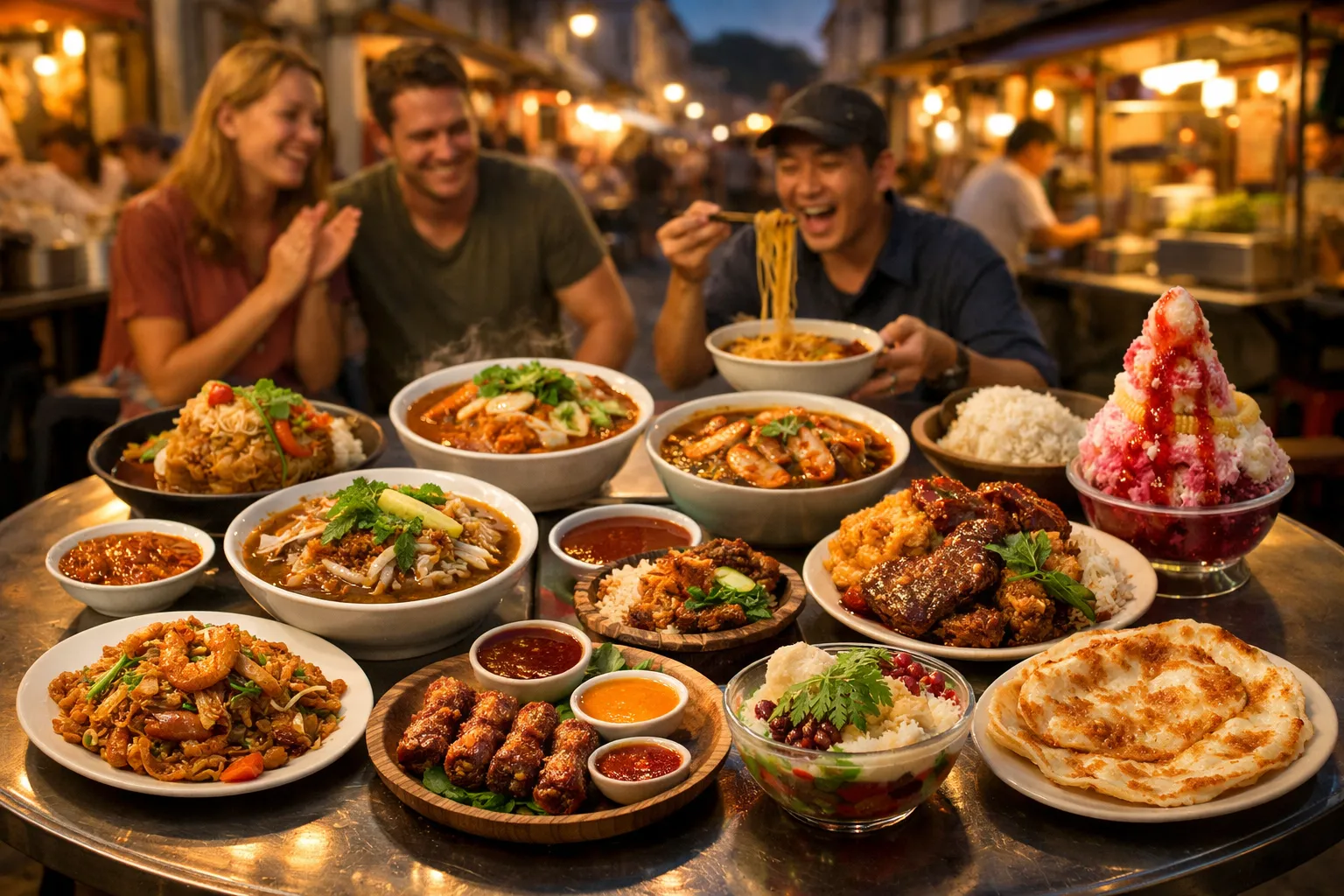
Penang’s Culinary Gems: 25 Unforgettable Dishes You Must Taste
Welcome to Penang, the undisputed food capital of Malaysia and a destination that tantalizes taste buds with its rich tapestry of flavors. For any serious food lover, a journey to this island state is not merely a trip; it’s a pilgrimage. Penang’s culinary scene is a vibrant testament to its multicultural heritage, a harmonious fusion of Chinese, Malay, and Indian influences, all perfected over generations and served with unparalleled passion, often from humble hawker stalls. This article serves as your definitive guide, an authoritative resource to navigate the delectable landscape of Penang, unveiling 25 unforgettable dishes that encapsulate the island’s gastronomic soul. Prepare to embark on a flavorful exploration that promises to be as enriching as it is delicious, offering insights into what makes Penang’s food globally renowned and how to best experience its culinary magic.
The Allure of Penang’s Culinary Heritage
 Penang’s distinctive flavor is a culinary tapestry woven from Malay, Chinese, and Indian traditions.
Penang’s reputation as a food paradise is not an exaggeration; it’s a well-earned title built on a foundation of history, culture, and a deep-seated love for food. The island’s strategic location along ancient trade routes brought diverse peoples and their culinary traditions, which have since melded into a unique Penang identity. This fusion isn’t just about combining ingredients; it’s about creating new flavor profiles, adapting traditional recipes, and elevating humble street food to an art form. The result is a cuisine that is complex, comforting, and utterly addictive. The cultural melting pot is evident in every bite, from the spicy kick of sambal to the creamy richness of coconut milk, forming the backbone of countless iconic dishes. This heritage is fiercely protected, with many recipes passed down through generations, ensuring authenticity and a connection to the past that diners can taste.
What Makes Penang Food So Special?
 The success of Penang’s street food lies in a unique ecosystem built on generational expertise, fresh ingredients, and community.
Several factors converge to make Penang’s food uniquely special. Firstly, the sheer diversity of its population has fostered an incredible range of culinary styles. The Hokkien Chinese settlers brought their stir-frying techniques and emphasis on fresh ingredients, the Malays contributed their use of spices, coconut milk, and sambal, while the Indian community introduced aromatic curries and flatbreads. This cross-cultural pollination has resulted in dishes that are greater than the sum of their parts. Secondly, Penang excels in its hawker culture. Unlike many places where street food is an afterthought, in Penang, it is the main event. These hawker centres are vibrant hubs of activity, offering an astonishing variety of dishes at affordable prices. The dedication of hawker stall owners, who often spend their lives perfecting a single dish, ensures an unparalleled level of quality and consistency. Indeed, the market value of independent street stalls/kiosks in Malaysia increased to US$2,063.7 million in 2023 Agriculture and Agri-Food Canada, highlighting the enduring economic and cultural significance of this food ecosystem, with Penang at its forefront. Furthermore, Penang’s access to fresh seafood and local produce, coupled with strategic use of flavour enhancers like shrimp paste (belacan) and various types of sambal, creates a depth of taste that is hard to replicate. The island’s culinary prowess is recognized globally; the MICHELIN Guide Kuala Lumpur & Penang 2024 features a total of 45 Bib Gourmand addresses, with 9 new additions in Penang alone MICHELIN Guide, underscoring the exceptional quality and value found on the island.
The Noodle Nirvana: Slurp-Worthy Sensations
Penang is a noodle lover’s paradise, offering an astounding array of noodle dishes, each with its distinct character and flavor profile. From fiery broths to savory gravies and wok-kissed delights, the noodle scene here is a universe unto itself.
Char Koay Teow
Arguably Penang’s most iconic noodle dish, Char Koay Teow (fried flat rice noodles) is a symphony of wok hei – the smoky, seared aroma imparted by a searingly hot wok. The dish typically features wide, flat rice noodles stir-fried with prawns, cockles, bean sprouts, chives, and scrambled egg, all coated in a dark, savory soy sauce mixture. The magic lies in the “wok hei,” a technique perfected by hawker masters, creating a subtle smokiness that elevates the dish beyond mere stir-fry. The addition of fresh prawns and the slight char on the noodles contribute to its addictive taste.
Penang Assam Laksa
A true taste of Penang, this laksa is a world away from its curry-based counterparts. Penang Assam Laksa boasts a tangy, sour, and intensely flavorful broth made from boiled fish (often mackerel), tamarind, lemongrass, galangal, and chilies. It’s served with thick rice noodles and generously garnished with fresh ingredients like shredded cucumber, onions, pineapple, mint leaves, and a dollop of pungent shrimp paste (hae ko). The interplay of sour, spicy, and savory notes, coupled with the fresh herbs, creates a uniquely refreshing and complex flavor that is utterly unforgettable. The careful balance of flavors, with the sourness of assam (tamarind) playing a starring role, defines this quintessential Penang dish.
Hokkien Mee (Prawn Mee)
Penang’s Hokkien Mee, also known as Prawn Mee, is a deeply satisfying noodle soup. It features a rich, deeply savory broth made from boiling prawn shells and heads, creating a flavorful base that is both robust and slightly sweet. This amber-hued broth is served with a combination of yellow noodles and rice vermicelli, topped with succulent prawns, slices of pork, hard-boiled egg, bean sprouts, and crispy fried shallots. A crucial accompaniment is a fiery sambal chili paste, allowing diners to customize the heat level and add an extra layer of spice. The combination of the intensely flavored prawn broth and the fresh toppings makes this a staple for many.
Curry Mee (White Curry Mee)
Distinct from other curry noodle dishes, Penang’s Curry Mee is characterized by its milky white, fragrant broth. This creamy base is achieved by simmering a complex curry paste with rich coconut milk. It’s typically served with yellow noodles and/or rice vermicelli, and a variety of toppings including shredded chicken, prawns, cockles, tofu puffs, and mint leaves. The chili sambal served on the side allows for adjustable spiciness, complementing the mild but aromatic broth. The comforting richness of the coconut milk and the subtle spice make it a popular choice for breakfast or a light meal.
Loh Mee
Loh Mee is a beloved noodle dish characterized by its thick, viscous, and glossy gravy. The gravy is made from a flavorful stock thickened with cornstarch, often incorporating soy sauce, garlic, and spices. It is served with a combination of yellow noodles and bee hoon (rice vermicelli), and typically includes ingredients like braised pork, prawns, fish cakes, and a hard-boiled egg. A drizzle of vinegar and a dollop of sambal chili sauce are essential for adding a zesty and spicy counterpoint to the rich gravy. The unique texture of the gravy clinging to the noodles is what makes Loh Mee so distinctive.
Koay Teow Th’ng
Translating to “flat rice noodles in soup,” Koay Teow Th’ng is a comforting and subtly flavored noodle soup. It features smooth, flat rice noodles served in a clear, savory broth made from chicken or pork bones. The soup is typically garnished with minced pork, prawn balls, fish cakes, and sometimes slices of duck or chicken. A sprinkle of fried garlic and chopped spring onions adds aroma and texture. While simpler than other noodle dishes, its delicate flavors and fresh ingredients make it a soothing and satisfying choice, particularly for those who prefer a less intense taste.
Mee Rebus
Mee Rebus offers a unique flavor profile distinct from other noodle dishes. Its star is the gravy, which is traditionally made from a base of mashed sweet potatoes, giving it a slightly sweet, earthy flavor and a thick, smooth consistency. This savory-sweet gravy is combined with yellow noodles and topped with a hard-boiled egg, bean sprouts, and a scattering of fried shallots and spring onions. A squeeze of lime and a serving of sambal chili sauce are essential accompaniments, adding brightness and heat that cut through the richness of the gravy.
Wantan Mee
Wantan Mee is a popular dish found across Malaysia, but Penang offers its own delightful interpretations. It can be served in two main ways: dry or in soup. The dry version features noodles tossed in a savory dark soy sauce-based dressing, often with a drizzle of chili oil and sesame oil, topped with succulent wantans (dumplings filled with minced pork and shrimp), slices of tender char siu (barbecued pork), and crisp bok choy. The soup version is served with the same toppings but in a clear, savory broth. The quality of the wantan filling and the char siu are key indicators of a good Wantan Mee.
Kway Chap
Kway Chap is a lesser-known but highly regarded noodle dish, particularly popular among the Teochew community. It features flat, wide sheets of rice noodle (kway) served in a dark, savory broth seasoned with star anise and other spices. The dish is most famous for its accompanying braised pork offal – including intestines, ears, and belly – which are slow-cooked to tender perfection. Other common additions include braised duck meat, hard-boiled eggs, and pieces of tofu. The rich, complex flavors of the braised ingredients combined with the slippery noodles make Kway Chap a unique and deeply satisfying experience.
Rice Revelations: A Symphony of Flavors
While noodles often take center stage, Penang’s rice dishes are equally compelling, offering comfort, spice, and a taste of local life.
Nasi Kandar
Nasi Kandar is perhaps the most emblematic rice dish of Penang, originating from the Indian-Muslim community. It consists of steamed rice served with a generous ladleful of assorted curry gravies, poured over the rice in a style known as “banjir” (flood). Diners can choose from a wide array of side dishes, including fried chicken, squid, fish roe, beef rendang, curried lamb, hard-boiled eggs, and various vegetables. The art of Nasi Kandar lies in the masterful blend of different curry gravies, each stall having its own secret recipe. The explosion of flavors and textures makes it a quintessential Penang culinary experience. Food & beverage accounted for 16.8% of Malaysia’s internal tourism consumption in 2024 Department of Statistics Malaysia, underscoring the economic significance of dishes like Nasi Kandar for tourism.
Nasi Lemak
A national dish of Malaysia, Nasi Lemak finds a special place in Penang’s culinary landscape. It is characterized by fragrant rice cooked in coconut milk and pandan leaves, giving it a rich aroma and creamy texture. Served on a banana leaf or a plate, it is typically accompanied by a spicy sambal ikan bilis (anchovy chili paste), fried anchovies, roasted peanuts, sliced cucumber, and a hard-boiled or fried egg. While simple, the quality of the sambal and the fragrant rice are paramount. Variations may include fried chicken or other side dishes.
Nasi Ulam
Nasi Ulam, meaning “herbal rice,” is a vibrant and healthy rice dish that showcases the bounty of fresh herbs and vegetables. It features steamed rice mixed with a medley of finely chopped herbs such as turmeric leaf, betel leaf, pennywort, and basil, along with grated coconut, chilies, and sometimes dried shrimp. The result is a fragrant, slightly chewy, and incredibly fresh rice salad. It is often served with various side dishes, including grilled fish, fried chicken, and sambal, providing a delightful balance of flavors and textures. Nasi Ulam is a testament to Penang’s resourceful use of local produce.
Savory Snacks & Street Food Staples
Beyond main meals, Penang is renowned for its incredible array of snacks and small bites, perfect for grazing throughout the day. These street food staples are the heartbeat of the island’s culinary scene.
Popiah
Popiah is Penang’s fresh spring roll, a delightful alternative to its fried cousins. The thin, soft popiah skin is generously filled with a mixture of stir-fried jicama (or sengkuang), carrots, bean sprouts, shredded lettuce, peanuts, and sometimes sweet soy sauce or chili sauce. The texture is light and refreshing, with a pleasant mix of crunch from the vegetables and a savory coating. Some versions may also include ingredients like crab meat or Chinese sausage. It’s a customizable dish, with most vendors allowing you to choose your preferred sauces.
Lor Bak
Lor Bak refers to five-spice marinated meat rolls, typically made from minced pork and prawns, seasoned with five-spice powder, soy sauce, and pepper, then wrapped in bean curd skin (tau kee) and deep-fried until golden and crispy. The characteristic savory aroma of the five-spice powder is unmistakable. These crispy rolls are often served with a thick, starchy brown gravy (lor), chili sauce, and sometimes pickled ginger or a hard-boiled egg. It’s a popular appetizer or snack, offering a satisfying crunch and a rich, savory flavor.
Oyster Omelette (Oh Chien)
Penang’s Oyster Omelette, or Oh Chien, is a popular hawker dish that’s crispy on the outside and gooey on the inside. It’s made with a batter of tapioca starch, eggs, and oyster sauce, fried until crispy, with plump, fresh oysters mixed in. The contrast between the crispy edges of the omelette and the tender, briny oysters is delightful. Typically served with a side of chili sauce for dipping, Oh Chien is a textural and flavor triumph, showcasing the quality of Penang’s fresh seafood.
Roti Canai
While originating from Indian Muslim cuisine, Roti Canai has become an integral part of the Malaysian food landscape, and Penang offers excellent versions. This flaky, pan-fried flatbread is made from flour, water, and fat, skillfully tossed and folded to create multiple layers. It’s typically served with a side of dhal (lentil curry) or other savory curries. Its crispy exterior and chewy interior make it a perfect accompaniment to curries or simply enjoyed on its own. Many Malaysians consider it a breakfast staple, and it’s a popular late-night snack as well.
Pasembur
Pasembur is a unique Indian-Malay salad, often described as a Penang salad or Rojak Pasembur. It’s a vibrant medley of ingredients, including shredded cucumber, turnip, bean sprouts, peanuts, and various fried items like crisp fritters, deep-fried squid, and boiled octopus. All these are tossed in a rich, sweet, and spicy peanut sauce, creating a complex flavor profile and a delightful mix of textures – crunchy, chewy, and saucy. It’s a substantial dish that offers a burst of flavors and is a testament to Penang’s fusion cuisine.
Chee Cheong Fun
Chee Cheong Fun, meaning “pig’s large intestine noodle,” refers to wide, flat rice noodle rolls. In Penang, it’s typically served either steamed and cut into bite-sized pieces, or sometimes with a slightly different texture. The key element is the sauce. Penang’s version is often dressed with a thick, sweet prawn paste sauce, a drizzle of dark soy sauce, chili sauce, and sprinkled with toasted sesame seeds. Some stalls also offer a version with curry gravy. It’s a light yet flavorful dish, perfect for a snack or a light meal.
Otah
Otah, or otat, is a delicacy made from seasoned fish paste, typically mackerel, mixed with chili paste, coconut milk, lemongrass, and various spices. This flavorful mixture is then wrapped in banana leaves or coconut leaves and grilled or steamed. The grilling process imparts a subtle smoky flavor, while the banana leaf wrapper keeps it moist and aromatic. The resulting dish is a tender, moist, and subtly spicy fish cake with a fragrant aroma. It’s a popular snack, often found at pasar malams (night markets) or specialized stalls.
Satay
Satay, skewers of marinated meat (usually chicken, beef, or lamb) grilled over charcoal, is a beloved Malaysian street food, and Penang offers its own delicious renditions. The meat is typically marinated in a blend of spices, turmeric, and lemongrass, giving it a distinctive flavor and color. After grilling, the skewers are served with a rich, flavorful peanut sauce, often accompanied by cucumber slices, red onions, and ketupat (compressed rice cakes). The smoky char from the grill combined with the sweet, savory, and slightly spicy peanut sauce is an irresistible combination.
Nyonya Kuih
Nyonya Kuih refers to a dazzling array of traditional Malaysian cakes and desserts, predominantly influenced by the Peranakan (Straits Chinese) culture. These visually stunning and delightfully flavored sweets are made from ingredients like glutinous rice, coconut milk, palm sugar, and pandan leaves. Popular examples include ondeh-ondeh (glutinous rice balls filled with palm sugar and coated in grated coconut), kuih lapis (layer cake), and ang ku kueh (red tortoise cake). They offer a nuanced sweetness and a soft, chewy texture, representing a delicate side of Penang’s culinary heritage.
Sweet Endings & Refreshing Brews
No culinary exploration of Penang is complete without indulging in its sweet treats and refreshing beverages, perfect for cooling down after a flavorful meal.
Cendol
Penang’s Cendol is an iconic dessert, a cooling concoction that perfectly balances sweet, creamy, and refreshing notes. It consists of finely shaved ice topped with vibrant green pandan-flavored jelly noodles (made from rice flour), generous drizzles of sweet palm sugar syrup (gula melaka), and rich coconut milk. Some vendors offer variations with red beans or glutinous rice. The combination of textures and flavors – the icy chill, the chewy noodles, the sweet syrup, and the creamy coconut milk – makes it an essential Penang experience. The fundamental role of coconut milk in its preparation is key to its signature richness.
The Economic Engine of Food Tourism
Penang’s culinary scene is not just about taste; it’s a significant economic driver. Food and beverage spending constitutes a substantial portion of tourism consumption. In 2024, food and beverage accounted for 16.8% of Malaysia’s internal tourism consumption Department of Statistics Malaysia. This trend is further bolstered by domestic spending habits, with Malaysian households showing a greater inclination to dine out, as evidenced by spending on restaurants and accommodation services rising to 17.0% of monthly expenditure in 2024 The Star. Nationally, Malaysia’s Food & Beverage sector generated a staggering 228.66 billion Malaysian ringgit ($54 billion USD) in revenue in 2023 MNTV, highlighting the immense scale of the industry. This vibrant sector is projected for continued growth, with a CAGR of 7.95% from 2023 to 2027 Royal University of Phnom Penh, indicating a promising future for culinary tourism. The influx of visitors is also on the rise, with Penang International Airport (PIA) reporting an 8.9% increase in passenger movements in 2024, reaching 3.36 million visitors The Star. This surge in tourism directly fuels the demand for Penang’s diverse food offerings, from bustling hawker centres to established restaurants.
Maximizing Your Penang Food Adventure
Experiencing Penang’s culinary landscape requires a strategic approach to truly savor its offerings. Here’s how to navigate this delicious world.
Navigating Hawker Centres & Stalls
Hawker centres are the heart of Penang’s street food scene, bustling hubs where numerous vendors gather. To choose the best stalls, look for long queues, especially of locals – this is usually a sign of exceptional quality and authenticity. Observe the cleanliness of the stall and the freshness of the ingredients. Don’t be afraid to politely ask locals for recommendations. Each hawker centre often specializes in certain dishes, so identifying which ones are famous for what you want to try is key. The sheer variety can be overwhelming, but the adventure lies in discovery.
The Art of Ordering & Spotting Quality
When ordering, start with dishes that are popular or unique to Penang. If you’re unsure, ask the vendor for their specialty or recommendations. For dishes like Nasi Kandar, take your time to choose your side dishes, considering how the flavors might complement each other. For dishes involving broths or gravies, notice the clarity of soups or the richness of gravies – this often indicates the care taken in preparation. For example, a deeply flavored prawn broth for Hokkien Mee comes from hours of simmering prawn shells. Remember, you are here to choose an authentic experience, so engage with the process.
Pacing Yourself for a Culinary Marathon
Penang offers an abundance of culinary delights, so it’s crucial to pace yourself. Avoid overindulging in the first few hours. Plan your meals strategically, perhaps dedicating mornings to noodle soups and breakfasts, afternoons to snacks, and evenings to richer dishes or dinners. Share dishes with companions to sample more without overeating. Hydration is also key; keep a bottle of water handy and consider refreshing drinks like sugarcane juice or teh tarik. Remember, this is a journey, not a race, and the goal is to savor every flavor.
Beyond George Town: Exploring Other Areas
While George Town is undoubtedly the epicenter of Penang’s food scene, don’t limit your exploration. Areas like Butterworth on the mainland, or Balik Pulau on the western side of the island, offer their own culinary gems. Butterworth is known for its excellent hawker food, often with a more local, less tourist-centric vibe. Balik Pulau, known for its natural beauty, also offers farm-fresh produce and unique dishes like durian-infused desserts and fresh seafood. Exploring these areas provides a broader perspective on Penang’s diverse food landscape and an opportunity to discover lesser-known treasures. You might even find a hidden gem of a restaurant offering a unique take on traditional flavors.
Global Recognition and Accolades
Penang’s status as a culinary hotspot is continuously validated by international accolades. Its vibrant street food scene, offering exceptional value and quality, has not gone unnoticed by global food authorities. The inclusion of numerous Penang eateries in the MICHELIN Guide, particularly its Bib Gourmand selections which highlight high-quality, affordable food, serves as a testament to the island’s gastronomic prowess MICHELIN Guide. This global recognition not only attracts more tourists seeking authentic culinary experiences but also inspires local vendors to maintain and elevate their standards, ensuring Penang’s continued reign as a world-class food destination. The island offers a unique opportunity to embark on a food tour that transcends mere eating, becoming a deep dive into culture and heritage.
Final Thoughts
Penang stands as a vibrant testament to the power of culinary fusion and cultural heritage. From the fiery tang of Assam Laksa to the comforting embrace of Hokkien Mee, the island offers a gastronomic journey that is both profound and exhilarating. The 25 dishes explored here represent just a fraction of the flavors waiting to be discovered, each one a story told through generations of tradition and passion.
The economic significance of Penang’s food scene cannot be overstated, contributing substantially to tourism and local livelihoods, with continuous growth projected for Malaysia’s F&B sector MNTV. The rising domestic expenditure on dining out The Star and the increasing visitor numbers The Star only underscore Penang’s enduring appeal. This pillar page has aimed to provide an authoritative guide, equipping you with the knowledge to navigate its bustling hawker centres, choose wisely from the diverse offerings, and truly immerse yourself in the sensory symphony that is Penang’s cuisine.
Your next step is to plan your own Penang food adventure. Embrace the spirit of exploration, be adventurous in your choices, and allow the flavors to guide you through the island’s rich cultural landscape. Whether you opt for a guided tour or embark on a self-guided culinary expedition, the unforgettable tastes of Penang await. Remember that ingredients like sambal and coconut milk are the unsung heroes, lending depth and character to many of these dishes. So, pack your appetite and prepare to taste the best of Malaysia.